WordPress Plugin Development: Bridging English and Chinese Digital Ecosystems
The digital landscape is increasingly globalized, yet deeply segmented by language, culture, and regulatory frameworks. For WordPress plugin developers, this presents a unique challenge and an unparalleled opportunity. While WordPress itself powers over 43% of all websites globally, its reach into major linguistic and economic blocs like the English-speaking world and the Chinese market reveals distinct development considerations. This article delves into the intricate art of WordPress plugin development for the English-China confluence, exploring strategies to create robust, culturally resonant, and technically compliant solutions that thrive in both spheres. Mastering this dual-market approach is not just about translation; it's about understanding the underlying digital ecosystems, user behaviors, and regulatory landscapes that define success.
The Global Reach of WordPress and the Dual Market Imperative
WordPress's open-source nature and extensibility have made it a universal platform. However, the path to universal adoption for a plugin is rarely straightforward. The English-speaking market, encompassing North America, Europe, Australia, and parts of Asia and Africa, often serves as the primary target for many developers due to its widespread internet penetration and familiar regulatory environment. In stark contrast, the Chinese digital ecosystem operates under its own unique set of rules, technologies, and cultural norms. From social media platforms to payment gateways and search engines, China has largely developed a parallel internet.
For a plugin to truly succeed, it must transcend mere linguistic barriers and adapt to these fundamental differences. Developers must move beyond a "one-size-fits-all" mentality and embrace a nuanced approach that addresses the specific needs and expectations of users in both the English-speaking world and mainland China. This dual imperative demands meticulous planning, technical prowess, and cultural sensitivity.
Technical Considerations for Cross-Market Plugin Development
Developing a plugin for both English and Chinese markets requires a deep dive into several technical domains:
1. Localization (i18n) and Internationalization (l10n) Beyond the Basics
The cornerstone of cross-market development is robust internationalization. While WordPress provides built-in functions for text domain loading and translation (using .po and .mo files), developers targeting China must consider specific challenges:
- Comprehensive String Translation: Every single string, from admin panel labels to front-end messages, must be translatable. This includes error messages, form fields, and even dynamic content generated by the plugin.
- Contextual Translations: Direct machine translation often fails to capture the nuances of Chinese culture and language. Professional human translation is critical, ensuring not just accuracy but also cultural appropriateness.
- Font and Encoding Support: Ensure your plugin's styling and rendering properly support CJK (Chinese, Japanese, Korean) character sets. UTF-8 is standard, but font choices are crucial for readability and aesthetic appeal in Chinese.
2. Performance and Hosting: Navigating the Great Firewall
The "Great Firewall of China" (GFW) significantly impacts internet speed and accessibility within China. Plugins relying on external resources hosted outside China may experience severe performance issues or be blocked entirely.
- China-Optimized Hosting: For a significant Chinese user base, consider hosting a dedicated instance of your plugin's backend or critical assets on servers within mainland China. This often requires obtaining an ICP (Internet Content Provider) license.
- Content Delivery Networks (CDNs): Utilize CDNs with strong points of presence (PoPs) in both Western countries and mainland China to ensure fast loading times for all users. Some CDNs specialize in China acceleration.
- Minimizing External Dependencies: Reduce reliance on third-party APIs or libraries that are frequently blocked in China (e.g., Google APIs, specific social media APIs). Provide fallbacks or alternative integrations for Chinese users.
3. Payment Gateways and E-commerce Integration
E-commerce plugins, in particular, must integrate with region-specific payment solutions.
- Western Standards: For English-speaking markets, integrate with popular gateways like Stripe, PayPal, Authorize.Net, and Square.
- Chinese Dominance: In China, WeChat Pay (微信支付) and Alipay (支付宝) are ubiquitous. Any e-commerce plugin aiming for the Chinese market must support these. Integrating these often involves working with specific SDKs and navigating Chinese financial regulations.
4. Social Media and Communication Integrations
The social media landscape is dramatically different.
- Global Platforms: For Western markets, Facebook, Twitter, Instagram, LinkedIn integrations are standard.
- Chinese Platforms: For China, WeChat (微信) for messaging, social sharing, and even mini-programs; Weibo (微博) for microblogging; and Douyin (抖音) (TikTok's Chinese counterpart) for short video content are essential. Sharing and login functionalities need to be built around these.
5. Regulatory Compliance and Data Privacy
Navigating varying legal frameworks is paramount.
- GDPR (General Data Protection Regulation): Essential for users in the EU and applicable globally for data of EU citizens.
- CCPA (California Consumer Privacy Act): Relevant for US users.
- Chinese Cybersecurity Law and PIPL (Personal Information Protection Law): These are stringent and dictate how data collected from Chinese users must be stored and processed, often requiring data localization within China.
Design and User Experience (UX) for a Bilingual Audience
Beyond functionality, the user experience must resonate culturally.
- Cultural Design Nuances: Colors, iconography, and imagery can carry different connotations. While English designs often prioritize minimalism, Chinese design can sometimes be denser, prioritizing information density and vibrant aesthetics.
- Text Expansion/Contraction: Be mindful that Chinese characters convey more meaning in less space than English words. UI elements must be flexible to accommodate variations in text length without breaking layouts.
- User Flow and Expectations: Research common user journeys in both markets. For instance, customer support expectations or the way users search for information might differ significantly.
Leveraging Advanced Technologies: AI and Machine Learning
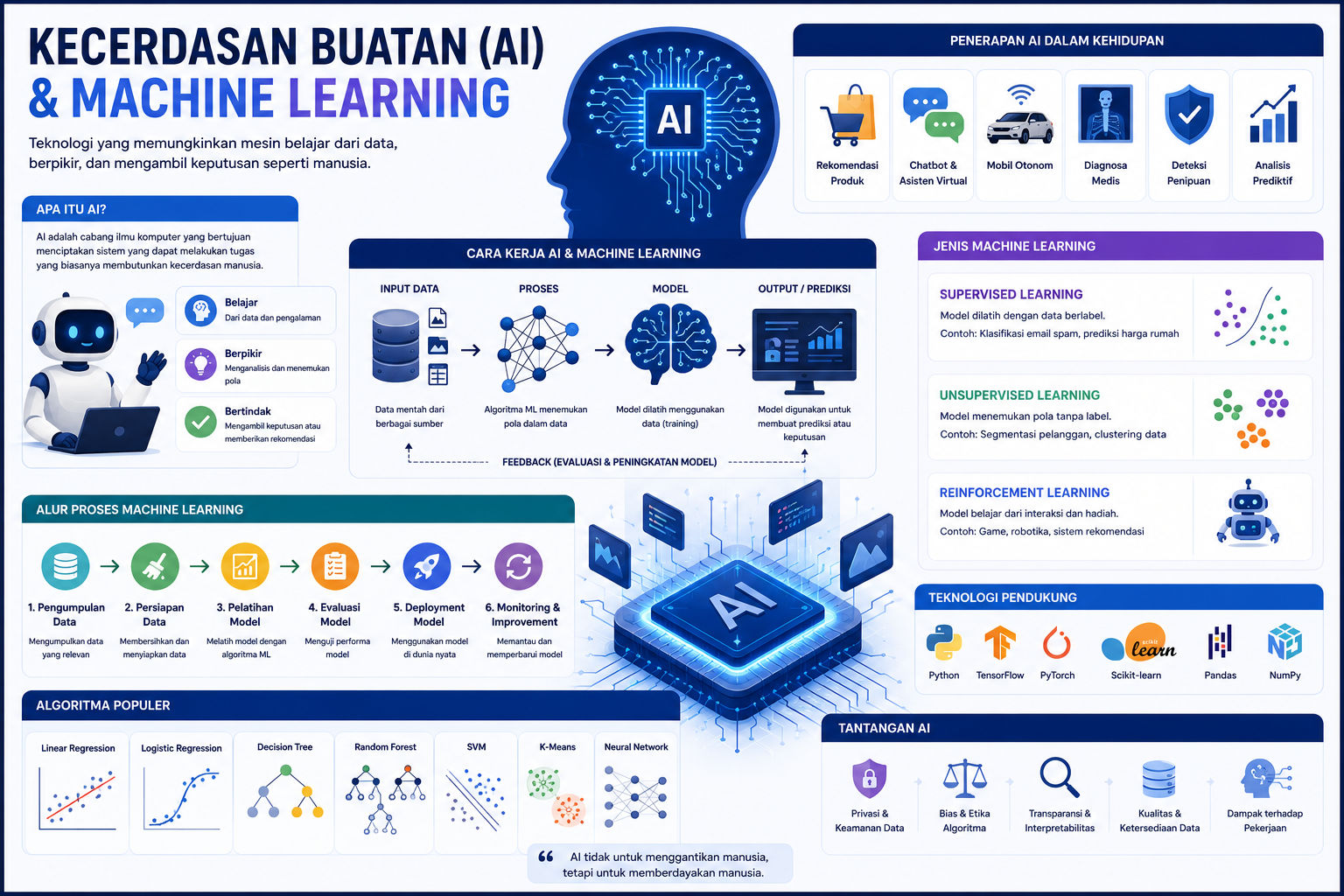
The complexity of bridging these two vast digital worlds can be significantly mitigated by embracing advanced technologies. Artificial Intelligence (AI) and Machine Learning (ML) are not just buzzwords; they offer tangible solutions for localization, content generation, and even personalized user experiences in a bilingual context.
For instance, AI-powered translation tools, while not a complete replacement for human translators, can provide initial localization layers, speed up development, and help maintain consistency across a large codebase. Furthermore, ML algorithms can analyze user behavior patterns from both English and Chinese markets, providing insights to personalize content, optimize ad placements, or recommend relevant products, thus enhancing the plugin's effectiveness.
The future of WordPress plugin development is increasingly being redefined by AI and Machine Learning, offering developers powerful tools to navigate global markets with greater precision and efficiency.
Monetization and Distribution Strategies for Dual Markets
A successful plugin needs a viable business model and effective distribution channels.
- Pricing Models: While subscription or one-time purchase models are common in English markets, specific payment behaviors and perceived value might necessitate adjustments for the Chinese market.
- Marketing Channels: For English-speaking users, traditional SEO, content marketing, social media (Facebook, Twitter), and WordPress directories are key. For China, marketing efforts must focus on Baidu SEO, WeChat official accounts, Weibo, and potentially local app stores or partnerships.
- Customer Support: Providing multilingual support is crucial. This means having support staff fluent in both English and Mandarin, or utilizing AI-powered translation tools to assist support teams.
Challenges and Solutions
The journey to mastering the English-China confluence is fraught with challenges, but each presents an opportunity for innovative solutions.
- Language and Cultural Barriers: Hire native speakers for translation and cultural consultation. Foster diverse development teams.
- Regulatory Complexity: Engage with legal experts familiar with both Western and Chinese internet laws. Implement flexible configurations to comply with different data handling requirements.
- Technical Fragmentation: Design your plugin with a modular architecture that allows for region-specific integrations and feature sets to be swapped or enabled/disabled as needed.
The Future: A Harmonized Digital Experience
As the world becomes more interconnected, the demand for digital products that seamlessly bridge linguistic and cultural divides will only grow. WordPress plugin developers who proactively address the unique requirements of markets like the English-speaking world and China are not just expanding their reach; they are pioneering a new standard for global digital products. This strategic focus ensures not only broader user adoption but also fosters a more inclusive and harmonized digital experience for users worldwide.
Conclusion
Developing a WordPress plugin that excels in both the English-speaking and Chinese digital ecosystems is a complex, yet incredibly rewarding endeavor. It demands a holistic approach that integrates technical foresight, cultural sensitivity, and a keen understanding of diverse market dynamics. By prioritizing robust internationalization, adapting to distinct technical infrastructures, and crafting culturally appropriate user experiences, developers can unlock immense potential. The English-China confluence is more than just two markets; it's a blueprint for truly global plugin development, demonstrating how strategic adaptation can lead to unparalleled digital triumph.