WordPress Plugin Development: Mastering the English-China Confluence for Digital Triumph
The global digital landscape is a tapestry woven from diverse cultures, regulations, and technological ecosystems. For developers working with WordPress, the world's most popular content management system, navigating this complexity is paramount. Among the most challenging yet rewarding frontiers is the confluence of English-speaking development standards with the unique digital realities of China. This requires not merely translation, but a profound understanding of localization, compliance, and cultural integration to achieve true digital triumph.
WordPress, with its open-source nature and vast extensibility through plugins, offers unparalleled flexibility. However, while a plugin might thrive in Western markets, its success in China is far from guaranteed without specific adaptations. The "English-China" perspective in WordPress plugin development isn't just about targeting a new market; it's about building a bridge between two distinct digital philosophies.
The Unique Digital Landscape of China: A Developer's Perspective
China's digital ecosystem operates under its own distinct set of rules and platforms, largely separated from the global internet by the "Great Firewall." This separation impacts everything from content delivery to user authentication and payment processing, demanding a bespoke approach from plugin developers.
Understanding the Great Firewall and its Implications
The Great Firewall of China imposes strict censorship and filters internet traffic. This means that services commonly used in English-speaking markets—such as Google Fonts, reCAPTCHA, Facebook APIs, and even standard CDN networks—are often blocked or severely throttled. A WordPress plugin heavily reliant on these external resources will inevitably fail or perform poorly for Chinese users. Developers must:
- Substitute or self-host resources: Replace blocked external assets (e.g., Google Fonts) with self-hosted alternatives or Chinese equivalents.
- Avoid blocked APIs: Design plugins to gracefully handle unavailable Western APIs or offer alternative integrations with Chinese services.
- Optimize for speed: With potential latency issues, plugins must be lean, efficient, and minimize external requests.
Prevalent Chinese Digital Platforms
While WordPress itself is accessible, its integration with the wider Chinese digital world requires linking into specific platforms:
- WeChat: More than just a messaging app, WeChat is an ecosystem. Plugins for social sharing, user authentication, or even e-commerce within WordPress often benefit from WeChat integration.
- Alipay & WeChat Pay: These are the dominant payment gateways. Any e-commerce or donation plugin must integrate with these rather than Western options like PayPal or Stripe if targeting Chinese users.
- Baidu: China's leading search engine. SEO strategies embedded in plugins must consider Baidu's specific indexing and ranking algorithms, which differ from Google's.
- Weibo & Douyin (TikTok): Primary social media platforms. Social sharing plugins need to include these options.
Localization Beyond Language: Cultural and Technical Nuances
True localization for the Chinese market extends far beyond simply translating text. It encompasses cultural preferences, user experience expectations, and specific technical requirements.
Language and UI/UX
While WordPress supports various languages, translating a plugin into Simplified Chinese is just the beginning. Chinese users often have different UI/UX expectations:
- Visual Density: Chinese interfaces often have a higher information density compared to Western designs.
- Color Psychology: Colors carry different cultural meanings (e.g., red for prosperity, not warning).
- Font Choices: Ensure fonts are aesthetically pleasing and legible for Chinese characters.
- Mobile-First Approach: China is a highly mobile-centric society. Plugins must be rigorously tested and optimized for mobile responsiveness.
Technical Localization: Hosting, CDNs, and Compliance
Where and how a WordPress site and its plugins are hosted is critical for performance and legal compliance in China. Hosting a site outside mainland China often results in slow loading times due to the Great Firewall. Obtaining an ICP (Internet Content Provider) license is typically required for commercial websites hosted within mainland China.
Furthermore, data privacy regulations, particularly China's Personal Information Protection Law (PIPL), are stringent. Plugins handling user data must comply with these laws, which might necessitate specific data storage solutions or consent mechanisms. This aspect of navigating innovation and localization within the Chinese digital ecosystem is often complex but crucial for success.
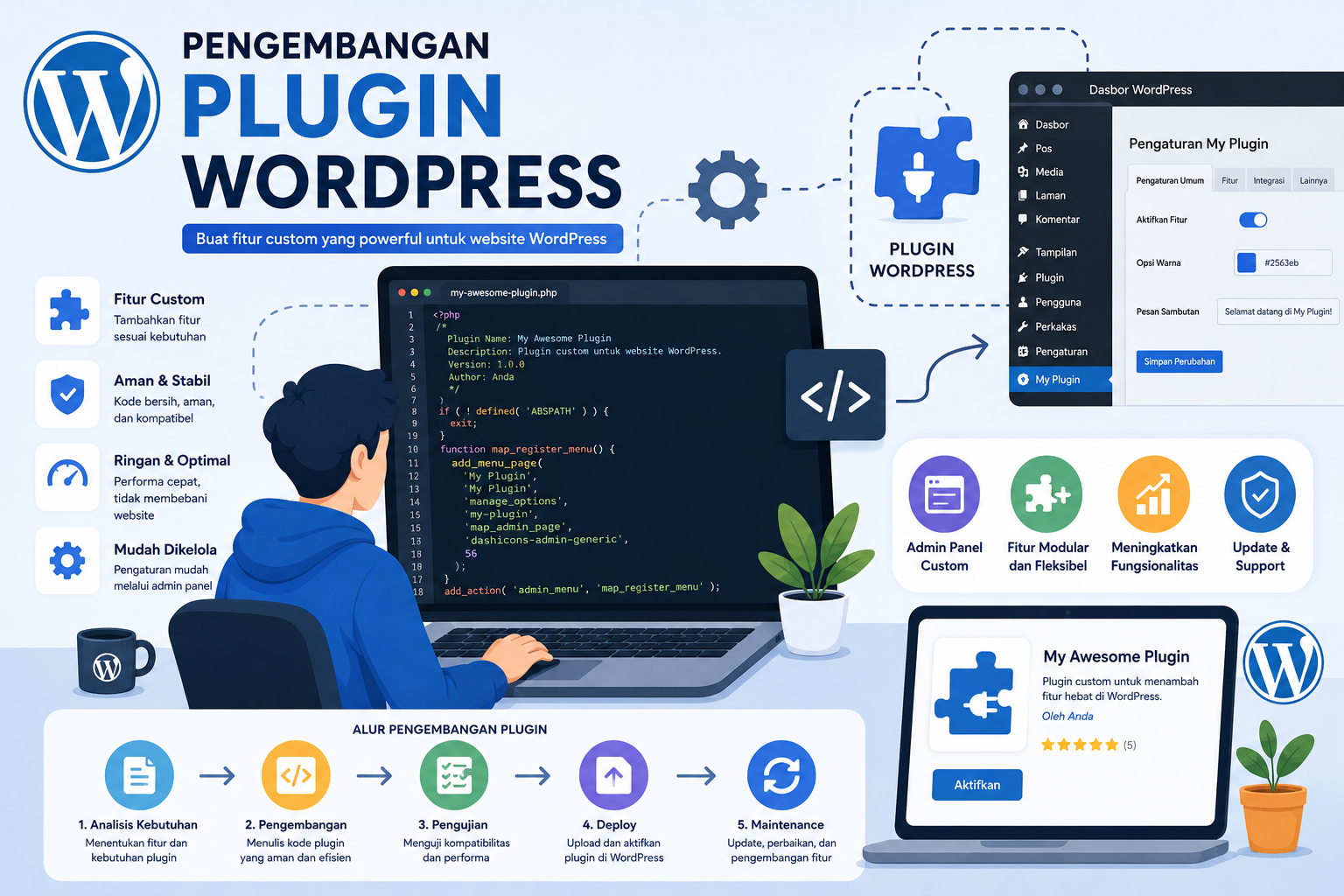
Bridging English-Speaking Standards with Chinese Digital Realities
The core challenge lies in building plugins that adhere to global WordPress development best practices while seamlessly integrating with China's unique environment. This requires a dual-pronged development strategy.
Modular and Adaptable Architecture
Plugins designed with a modular architecture are inherently more adaptable. Developers can create separate modules or settings for different regions:
- Conditional Loading: Load specific scripts, styles, or integrations only when the user's location is detected as China.
- API Abstraction: Create an abstraction layer for external service integrations, allowing easy swapping between Western and Chinese APIs (e.g., Google Maps vs. Baidu Maps).
- Configuration Options: Provide extensive backend configuration options for administrators to choose region-specific settings, payment gateways, and social sharing services.
Performance Optimization for the Chinese Web
Given potential network constraints, performance optimization is paramount:
- Local CDNs: Utilize Chinese Content Delivery Networks (CDNs) for static assets.
- Image Optimization: Aggressively compress and lazy-load images.
- Minimal External Requests: Reduce reliance on external JavaScript or CSS files, and if necessary, host them locally.
- Server Location: Recommend or integrate with hosting solutions located within mainland China with ICP licensing where appropriate.
Testing and Deployment within China
Developing a plugin with an "English-China" perspective necessitates thorough testing within the actual Chinese digital environment. This means:
- VPN Testing: Test functionality with and without VPNs to understand potential blocks.
- Real-world Devices: Test on popular Chinese mobile devices and operating systems.
- Local User Feedback: Engage local users for feedback on UI/UX, functionality, and overall experience.
- Compliance Checks: Verify that all features comply with local regulations, including data privacy and content censorship.
Overcoming Challenges and Unlocking Opportunities
Developing WordPress plugins for the Chinese market presents significant hurdles, but also immense opportunities. The key is a proactive, informed, and culturally sensitive approach. By dedicating resources to understanding the unique demands of the Chinese digital ecosystem, developers can transform these challenges into competitive advantages.
One of the significant advantages for developers who successfully bridge English-speaking standards with Chinese digital realities is access to a vast and rapidly growing market. Businesses in China are increasingly adopting WordPress for its flexibility, and there's a strong demand for plugins that cater specifically to their needs—whether for e-commerce, content management, social integration, or utility. By offering solutions that are truly localized and compliant, developers can carve out a valuable niche.
Conclusion
The journey of WordPress plugin development from an "English-speaking standard" to a "Chinese digital reality" is a complex yet fascinating one. It demands a holistic approach that goes beyond mere coding, embracing cultural empathy, regulatory acumen, and technical ingenuity. Developers who master this confluence will not only expand the reach of WordPress but also empower businesses and individuals within China to harness the full potential of this versatile platform. The future of global digital interaction increasingly depends on these bridges being built, and WordPress plugins are at the forefront of this crucial endeavor.