WordPress Plugin Development for the Chinese Digital Ecosystem: Navigating Innovation and Localization
WordPress, as the world's most popular content management system, offers unparalleled flexibility through its vast plugin ecosystem. However, extending its reach and functionality into the dynamic and distinct digital landscape of China presents a unique set of challenges and opportunities. For developers looking to tap into this immense market, understanding the intricacies of the Chinese internet and adapting global development standards is not just advantageous, but absolutely essential. This article delves into the specialized approach required for WordPress plugin development tailored for the Chinese digital ecosystem, exploring how innovation can meet strict localization demands.
Understanding China's Unique Digital Landscape
The Chinese internet operates fundamentally differently from much of the rest of the world. Key factors that shape this ecosystem include:
- The Great Firewall (GFW): This sophisticated censorship and surveillance project significantly restricts access to many international websites and services, including Google, Facebook, Twitter, and often, components vital for many WordPress plugins (e.g., certain CDNs, APIs).
- Dominant Local Platforms: Instead of global giants, China has its own powerful platforms. WeChat (Weixin), Alipay, Baidu, Weibo, and Douyin (TikTok's Chinese version) dominate social communication, e-commerce, search, and content consumption.
- Payment Gateways: While credit cards are prevalent globally, WeChat Pay and Alipay are the undisputed kings of digital payments in China, integrated into almost every facet of daily life.
- Data Sovereignty and Compliance: China has stringent data localization and cybersecurity laws, such as the Cybersecurity Law (CSL) and the Personal Information Protection Law (PIPL), which dictate how data is collected, stored, and transferred.
- User Behavior and Preferences: Chinese users often prefer mobile-first experiences, integrated super-apps, and highly interactive, community-driven content.
These distinctions mean that a standard WordPress plugin, developed with Western digital realities in mind, will often perform poorly, break, or even be unusable within China without significant modifications. This is precisely where the unique value of localized plugin development emerges.
Technical Considerations for China-Specific WordPress Plugins
1. Overcoming Connectivity and Performance Hurdles
Many international CDNs (Content Delivery Networks), Google Fonts, and external API calls that are standard in global WordPress development are often blocked or severely throttled by the GFW. This leads to slow loading times, broken functionalities, and a poor user experience.
- Localized Hosting and CDN: For optimal performance, WordPress sites targeting China should be hosted within mainland China (requiring an ICP license) or in nearby regions like Hong Kong or Singapore. Utilizing CDNs approved for China is crucial to ensure fast content delivery.
- Resource Replacement: Developers must identify and replace blocked external resources. This means self-hosting fonts, replacing Google Maps with Baidu Maps or Amap, and carefully vetting all third-party scripts and APIs for GFW compatibility.
- Optimized Code: Lean, efficient code minimizes HTTP requests and payload size, which is critical when network latency can be an issue.
2. Essential Payment Gateway Integration
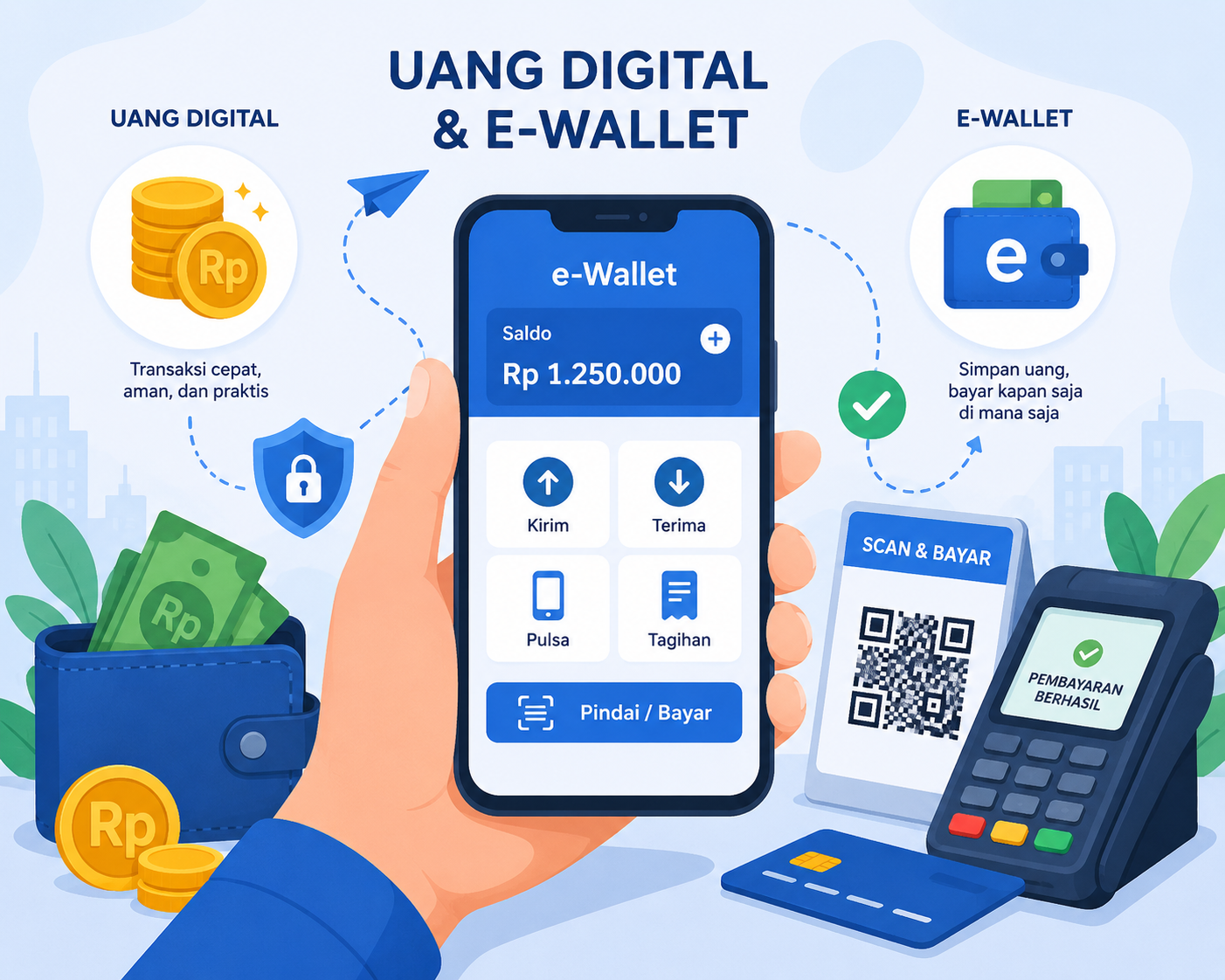
Any e-commerce or monetized WordPress site in China must integrate with WeChat Pay and Alipay. These are not merely payment options; they are fundamental to online transactions. Plugins that facilitate these integrations are incredibly valuable.
- Direct API Integration: Developers need to work with the official APIs of WeChat Pay and Alipay, understanding their specific authentication, transaction, and refund processes.
- User Experience Flow: The payment process should be seamless and familiar to Chinese users, often involving QR code scanning or direct in-app payments.
- Regulatory Compliance: Integrating these payment systems requires navigating Chinese financial regulations and ensuring secure handling of sensitive transaction data.
3. Seamless Social Media and Communication Integration
Global social sharing plugins are largely ineffective in China. Instead, plugins should focus on integrating with dominant local platforms.
- WeChat Integration: This is paramount. Plugins can offer WeChat login, sharing to WeChat Moments or friends, customer service via WeChat Official Accounts, and even mini-program integration.
- Weibo and Douyin Sharing: Providing options to share content to Weibo or Douyin can significantly boost reach and engagement.
- Messaging and Community Features: Rather than relying on email or standard comment systems, integrating with platforms like WeChat for notifications, discussions, or customer support can enhance user stickiness.
4. Comprehensive Localization (Simplified Chinese)
Beyond language, localization extends to cultural nuances, design aesthetics, and user interface preferences.
- Simplified Chinese (zh_CN): All front-end and back-end text, including error messages and admin settings, must be translated professionally into Simplified Chinese.
- Cultural Sensitivity: Design elements, imagery, and even color choices should be culturally appropriate and appealing to Chinese users.
- User Interface (UI) Adaptation: Chinese users are accustomed to highly integrated, feature-rich interfaces (e.g., super-apps). Plugins should consider incorporating similar design principles where appropriate, without overwhelming the user.
5. Data Privacy and Regulatory Compliance
Adherence to China's data laws is non-negotiable and poses significant challenges for developers accustomed to GDPR or CCPA.
- Data Localization: Critical data generated by plugins (e.g., user profiles, transaction logs) must often be stored within mainland China.
- Consent Mechanisms: Plugins must implement explicit consent mechanisms for data collection and processing that comply with PIPL.
- Security Audits: Regular security audits and ensuring data encryption are vital to meet the rigorous standards of the Cybersecurity Law.
- Anonymization: Where possible, anonymizing data or limiting collection can reduce compliance burden.
Bridging Global Standards with Local Realities
The core challenge for developers is to maintain the high standards of security, performance, and best practices inherent in global WordPress plugin development while adapting to China's unique environment. This means:
- Modular Development: Building plugins with modular components allows for easier swapping of services (e.g., payment gateways, social media APIs) based on regional requirements.
- Conditional Logic: Implementing conditional logic within the plugin to detect the user's location or the site's target audience can enable dynamic loading of China-specific features or global defaults.
- Security First: Regardless of location, robust security practices remain paramount. This includes secure coding, input validation, output escaping, and regular security updates. For a deeper dive into maintaining plugin integrity, consider the strategic imperative of sustainable WordPress plugin development.
- Performance Optimization: Beyond connectivity, general WordPress performance best practices—like efficient database queries, object caching, and lazy loading—are even more critical in China.
This dual approach ensures that plugins are not only functional but also competitive and compliant within the Chinese market. It’s about creating solutions that resonate with local users while leveraging the powerful, flexible foundation of WordPress.
Opportunities for Innovation in the Chinese Market
Despite the hurdles, the Chinese digital ecosystem offers immense opportunities for innovative WordPress plugin development:
- Cross-Border E-commerce: Plugins facilitating the sale of international products to Chinese consumers, integrating customs declarations and local payment options.
- Content Delivery & Engagement: Tools for optimizing content for Baidu SEO, integrating with Chinese video platforms, or building interactive community features around content.
- Education & Training: WordPress can power e-learning platforms; plugins that integrate with local educational tools or payment systems can unlock this sector.
- Bespoke Business Solutions: Plugins tailored for specific industries in China, from real estate to manufacturing, incorporating local ERPs or CRM systems.
The key to success lies in deep market research and understanding specific user pain points and needs. As discussed in WordPress Plugin Development: Bridging English-Speaking Standards with Chinese Digital Realities, successful integration requires a nuanced understanding of both global best practices and local context.
Best Practices for Developers
- Thorough Market Research: Before development, invest heavily in understanding the specific niche, user base, and regulatory environment.
- Collaboration: Partner with local experts, agencies, or developers who have first-hand experience navigating the Chinese internet.
- Iterative Testing: Rigorously test plugins within the Chinese environment, not just locally or on global servers. This includes testing behind the GFW, with local hosting, and with various Chinese browsers and devices.
- Stay Updated: The Chinese digital landscape evolves rapidly. Regulations, dominant platforms, and user preferences can change quickly. Developers must stay abreast of these shifts.
- Focus on User Experience: Ultimately, the success of any plugin hinges on its ability to provide a smooth, intuitive, and valuable experience for the end-user. For China, this means prioritizing mobile-first and integrated experiences.
Conclusion
Developing WordPress plugins for the Chinese digital ecosystem is a complex but highly rewarding endeavor. It demands more than just technical proficiency; it requires cultural intelligence, regulatory awareness, and a strategic approach to localization. By meticulously addressing the unique challenges posed by the Great Firewall, integrating with dominant local platforms like WeChat and Alipay, ensuring data compliance, and crafting culturally sensitive user experiences, developers can create powerful WordPress solutions that truly bridge the gap between global standards and China's distinct digital realities. The opportunities are vast for those willing to innovate and adapt.