WordPress Plugin Development for the Chinese Market: Navigating the Digital Silk Road
In the vast and ever-expanding digital landscape, WordPress stands as a global behemoth, powering millions of websites worldwide. Its open-source nature and robust plugin ecosystem have fostered an unparalleled level of customization and innovation. However, extending this reach into the unique and highly regulated digital ecosystem of China presents a distinct set of challenges and opportunities for WordPress plugin developers. This article delves deep into the intricacies of developing WordPress plugins specifically tailored for the Chinese market, exploring the technical, cultural, and regulatory considerations that define success along the digital Silk Road.
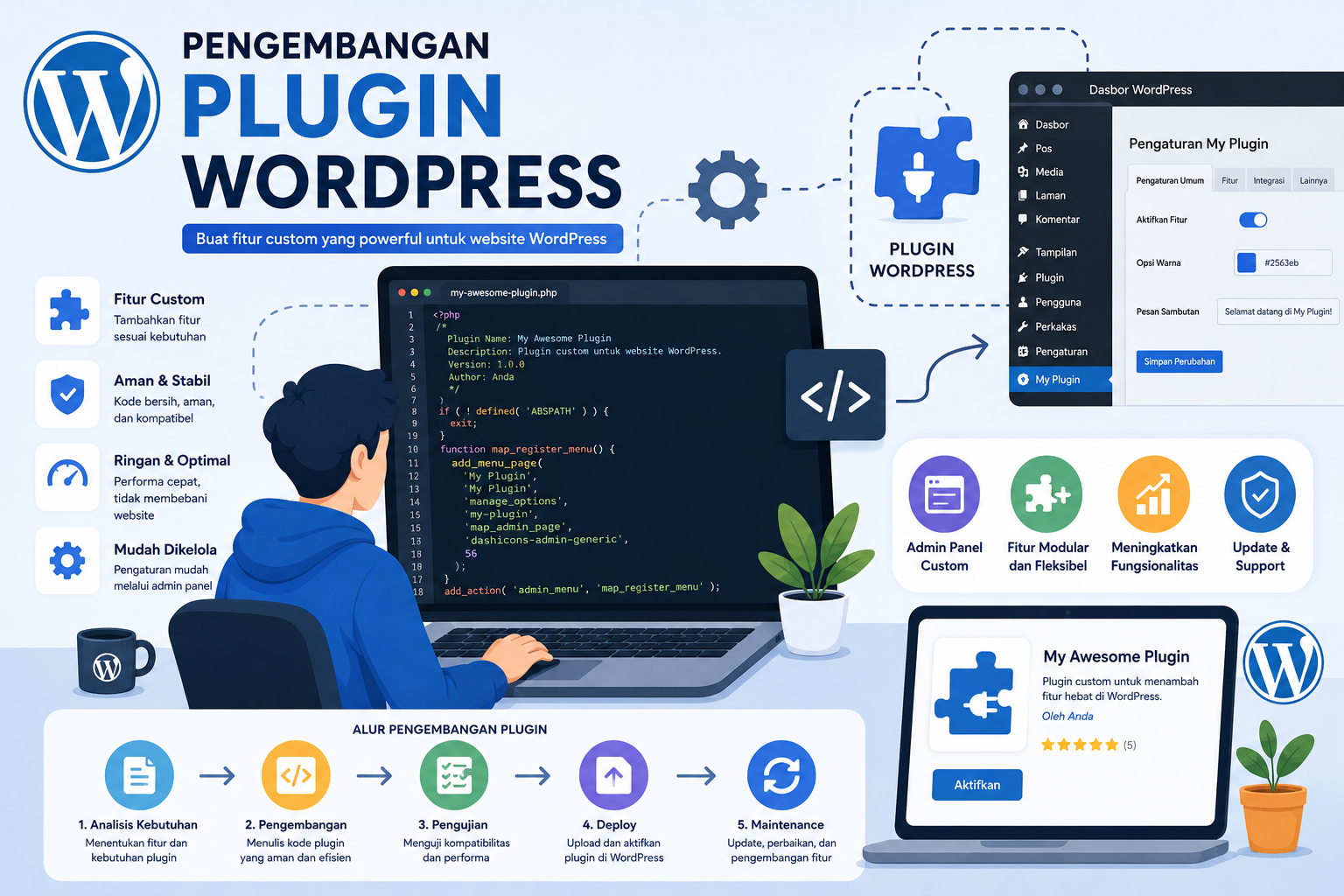
The Unique Digital Landscape of China: A Developer's Perspective
China's internet environment is fundamentally different from much of the rest of the world. Known for its "Great Firewall," robust data regulations, and a vibrant local digital ecosystem, developers cannot simply replicate global strategies. Understanding these foundational differences is the first step towards successful plugin development.
- The Great Firewall: This sophisticated system filters and blocks external content, services, and websites. Plugins that rely on external APIs, CDNs, or services (like Google Fonts, Google Analytics, or reCAPTCHA) hosted outside China or blocked by the firewall will either fail to function or significantly degrade user experience.
- Dominant Local Services: Unlike many countries where Google, Facebook, and Amazon reign supreme, China has its own powerful local champions. Baidu is the undisputed king of search, WeChat and Weibo dominate social media and communication, while Alipay and WeChat Pay are the ubiquitous payment methods. Any plugin aiming for significant adoption must integrate seamlessly with these platforms.
- Internet Infrastructure: While China boasts impressive internet speeds in major cities, cross-border data transfer can be slow and unreliable. Local hosting and Content Delivery Networks (CDNs) within China are crucial for performance.
- Stringent Regulations: China has comprehensive laws regarding data privacy, cybersecurity, and content censorship. Developers must ensure their plugins comply with these regulations, which can be far more strict than in other regions.
Localization Beyond Language: Cultural & UX Nuances
True localization for the Chinese market extends far beyond mere translation. It requires a deep understanding of cultural preferences, user behavior, and design aesthetics. As seen in the strategies for other unique markets, a tailored approach is paramount for user satisfaction and market penetration. For example, similar to WordPress plugin development for the Japanese market, Chinese users have distinct expectations.
- Language & Dialects: The primary written language is Simplified Chinese (zh-CN). However, Traditional Chinese (zh-TW, zh-HK) is used in Hong Kong, Macau, and Taiwan. Your plugin should ideally offer support for both, with Simplified Chinese as the priority for mainland China. Ensure all text strings, error messages, and documentation are accurately translated by native speakers.
- Design & Aesthetics: Chinese web design often features more information density, vibrant colors, and direct calls to action compared to Western minimalist trends. Color symbolism is also crucial (e.g., red for good luck, yellow for royalty). Imagery should be culturally appropriate and avoid anything that could be misinterpreted or considered offensive.
- User Experience (UX): Chinese users are accustomed to "super apps" like WeChat that integrate multiple functionalities. Plugins offering robust features and seamless integrations within a single interface often perform well. Mobile-first design is non-negotiable, given the high mobile internet penetration.
- Trust & Credibility: Displaying official certifications, reputable partnerships, and clear contact information can significantly boost user trust. Reviews and social proof from within the Chinese ecosystem are also highly valued.
Technical & Integration Imperatives for Chinese WordPress Plugins
Addressing the technical specificities of the Chinese internet is critical for a functional and performant plugin.
Connectivity and Performance Optimization
- Local Hosting & CDNs: To circumvent the Great Firewall and improve loading speeds, host your WordPress site and plugin assets on servers located within mainland China (requires an ICP license) or utilize CDNs with points of presence (PoPs) in China.
- Avoid Blocked External Resources: Scrutinize all third-party scripts, fonts, APIs, and services your plugin uses. Replace Google Fonts with locally hosted alternatives or Chinese web fonts. Substitute Google Maps with Baidu Maps. Replace reCAPTCHA with a China-friendly captcha solution or a local alternative.
- Optimized Image & Video Delivery: Compress media files aggressively. Consider using local cloud storage solutions or CDNs optimized for China to serve rich media.
Integration with Dominant Local Services
Seamless integration with local services is not just an advantage; it's often a necessity for user adoption.
- Payment Gateways: Alipay (支付宝) and WeChat Pay (微信支付) are paramount. Your plugin must offer robust integration with these two platforms for e-commerce, donations, or any transaction-based functionality. UnionPay (银联) is also a significant player, especially for larger transactions.
- Social Logins & Sharing: Implement WeChat Login (微信登录) and Weibo Login (微博登录) for user authentication. Provide sharing options for WeChat Moments, WeChat Contacts, and Weibo for content distribution.
- Location Services: Replace Google Maps API with Baidu Maps API (百度地图) for any map-related features.
- Search Engine Optimization (SEO): Develop your plugin with Baidu SEO in mind. This includes supporting Baidu Site Submission, ensuring content is readable by Baidu spiders, and considering Baidu's unique ranking factors which differ from Google's.
Data Privacy and Regulatory Compliance
China's cybersecurity and data privacy laws, such as the Cybersecurity Law (CSL), Data Security Law (DSL), and Personal Information Protection Law (PIPL), are among the world's strictest. Non-compliance can lead to severe penalties.
- Data Residency: For many types of personal information, data must be stored within mainland China. Your plugin's data handling practices must conform to this, often requiring specific hosting and database configurations.
- Consent Mechanisms: Users must be explicitly informed and provide consent for data collection, processing, and transfer. Clear privacy policies written in Chinese and easily accessible are mandatory.
- Content Censorship: While a plugin itself doesn't host content, it facilitates it. Be aware that any content managed or generated by your plugin (e.g., user comments, forums) could be subject to censorship. Building in moderation tools or compliance checks might be necessary.
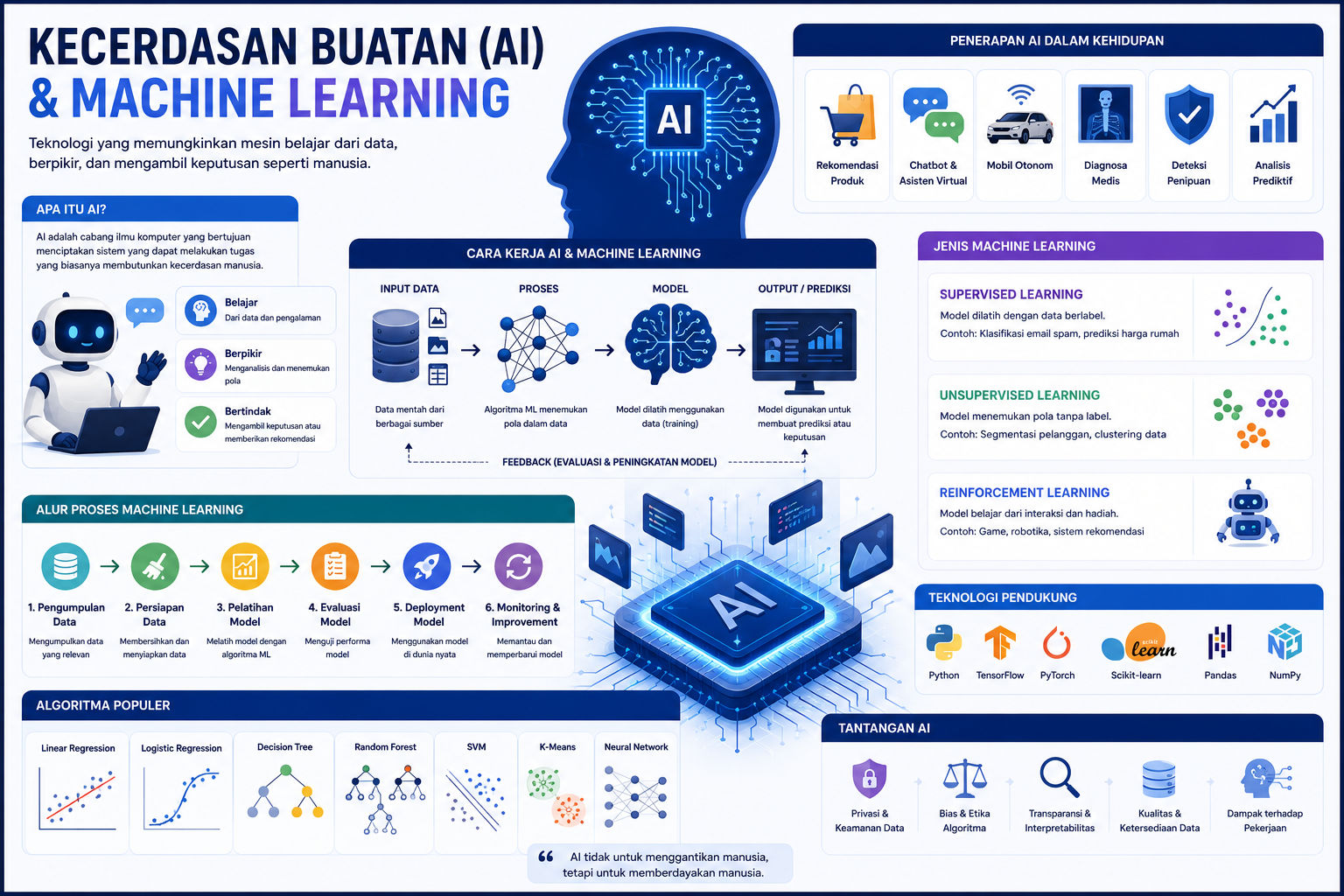
Leveraging AI for Enhanced Chinese User Experience and Localization
The integration of cutting-edge technologies like Artificial Intelligence (AI) can significantly elevate the user experience for Chinese audiences, especially in the context of advanced localization and operational efficiency. As discussed in the broader context of innovation in WordPress plugin development, integrating localization and AI can lead to profound user satisfaction.
- AI-Powered Localization: While human translation is paramount for accuracy and cultural nuance, AI can assist in dynamic content adaptation. This includes intelligent translation suggestions, tone adjustments, and even real-time language switching based on user location or preferences.
- Smart Content Personalization: AI algorithms can analyze user behavior patterns within your plugin to deliver highly personalized content, recommendations, or UI adjustments, catering to individual preferences common in the Chinese digital ecosystem.
- Enhanced Customer Support: AI-driven chatbots, trained on Chinese language and cultural context, can provide instant support, answer FAQs, and guide users through plugin functionalities, significantly improving customer satisfaction in a market that expects rapid responses.
- Sentiment Analysis & Feedback Processing: AI can process vast amounts of user feedback in Chinese, identifying common issues, sentiment trends, and feature requests. This data is invaluable for iterative plugin improvement and staying attuned to market needs.
- AI for Compliance Monitoring: Given the strict content regulations, AI could potentially assist in pre-screening user-generated content for politically sensitive keywords or imagery, helping maintain compliance and reduce manual moderation efforts.
Distribution and Marketing Strategies
Beyond development, effectively reaching the target audience in China requires a localized distribution and marketing approach.
- WeChat Ecosystem: Leverage WeChat Official Accounts, Mini Programs, and WeChat Channels for marketing, customer engagement, and even direct plugin distribution or feature showcases.
- Local App Stores & Directories: While WordPress.org is global, explore local plugin directories or tech communities within China that cater to web developers and businesses.
- Baidu Advertising: Utilize Baidu's advertising platforms (Baidu Tuiguang) to promote your plugin, targeting relevant keywords and user demographics.
- KOL Marketing: Collaborate with Key Opinion Leaders (KOLs) or influencers in the Chinese tech or business space to build credibility and reach a wider audience.
Best Practices for Developers Targeting China
- Modular & Flexible Architecture: Design your plugin to be highly modular, making it easier to swap out or adapt components (e.g., payment gateways, mapping services) for different regional requirements without overhauling the entire codebase.
- Thorough Testing: Rigorously test your plugin within a live environment in China. Use local VPNs, test with real Chinese mobile devices, and gather feedback from local beta testers to catch compatibility issues and performance bottlenecks.
- Stay Updated on Regulations: China's digital regulations are dynamic. Continuously monitor changes to cybersecurity laws, data privacy acts, and content policies to ensure your plugin remains compliant.
- Partner with Local Experts: Consider collaborating with Chinese development agencies, legal consultants, or marketing firms that have on-the-ground experience and insights.
Conclusion
Developing WordPress plugins for the Chinese market is a complex yet rewarding endeavor. It demands more than just technical prowess; it requires a deep cultural understanding, meticulous attention to regulatory compliance, and strategic integration with local digital powerhouses. By embracing the unique challenges of the Great Firewall, leveraging local services, optimizing for performance within China, and continuously adapting to cultural and legal shifts, developers can unlock the immense potential of the Chinese digital Silk Road, creating valuable and impactful WordPress solutions for one of the world's largest and most dynamic internet populations.