WordPress Plugin Development: Building Bridges on the Digital Silk Road
In an increasingly interconnected world, WordPress stands as a colossal pillar of digital infrastructure, powering over 43% of all websites. Its open-source nature and extensibility through plugins have fostered a vibrant ecosystem where innovation knows no bounds. Yet, beyond mere functionality, WordPress plugin development offers a unique opportunity: to act as a crucial conduit for cross-cultural communication and global market resonance. This article delves into how developers can transcend geographical and cultural barriers, transforming plugins into digital bridges along what we might call the "Digital Silk Road of Code."
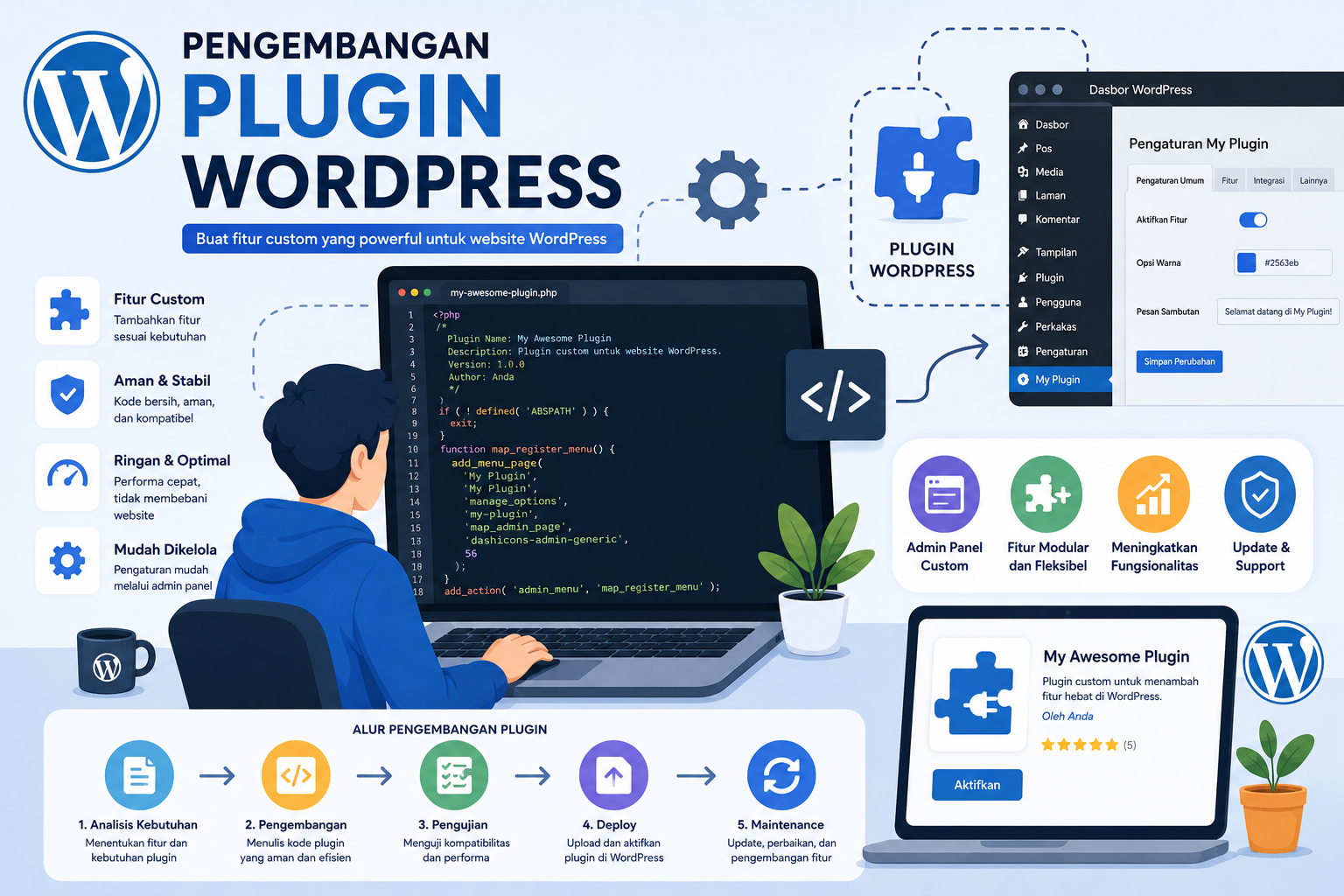
The Global Canvas of WordPress: More Than Just a CMS
WordPress is not just a Content Management System; it's a global phenomenon. From small businesses in bustling Asian metropolises to multinational corporations in European capitals, its adaptability allows diverse users to establish their digital presence. This universality, however, also presents a profound challenge and an immense opportunity for plugin developers: how to create tools that are not only functional but also culturally intelligent and globally accessible. The true power of a WordPress plugin isn't just in what it does, but in how seamlessly it integrates into the diverse digital lives of its users worldwide.
Understanding this global canvas is the first step in crafting plugins that resonate beyond local confines. It means acknowledging that users from different regions have varying expectations, digital habits, and even aesthetic preferences. For a deeper exploration of this, consider how The Digital Silk Road of Code: Developing WordPress Plugins for Cross-Cultural Connectivity and Global Market Resonance emphasizes the strategic importance of such a global outlook.
The Plugin Developer as a Cultural Architect
Developing a successful global plugin transforms the developer into a cultural architect. This role involves more than just coding; it requires empathy, research, and a deep understanding of human diversity. The goal is to design solutions that feel native to users, regardless of their origin.
1. Localization (i18n) and Internationalization (l10n): Beyond Language Translation
- Comprehensive Language Support: This is the foundation. Implementing gettext for easy translation is standard. However, consider plural forms, gender-specific language, and even different forms of address. Many languages, especially those in Asia, have complex grammatical structures that require careful consideration.
- Date, Time, and Number Formats: A subtle yet critical detail. What's DD/MM/YYYY in one country is MM/DD/YYYY in another. Currency symbols, decimal separators, and thousands separators vary widely.
- Right-to-Left (RTL) Support: For languages like Arabic, Hebrew, and Persian, the entire UI needs to be mirrored. This is a design and CSS challenge that must be addressed from the outset.
- Time Zones: Ensure that any time-sensitive features correctly account for local time zones, especially for scheduling or event management plugins.
2. Cultural Sensitivity in UX/UI Design
User Experience (UX) and User Interface (UI) are deeply intertwined with culture. What's intuitive in one culture might be confusing or even offensive in another.
- Color Psychology: Colors carry different meanings across cultures. Red might signify good luck and prosperity in China, but danger or anger in Western contexts. Blue is calming in many places but associated with mourning in some Middle Eastern cultures.
- Iconography and Imagery: Icons should be universally understood or culturally adapted. Imagery should be diverse and inclusive, reflecting the global user base. Avoid using imagery that might unintentionally exclude or misrepresent specific groups.
- Information Hierarchy and Layout: Some cultures prefer direct, concise information, while others appreciate more context and detail. The way information is organized and presented can impact usability and trust.
- Navigation Patterns: While global web standards exist, slight variations in preferred navigation patterns can occur. Ensuring flexibility in menu structures or content presentation can enhance user satisfaction.
Navigating Diverse Digital Landscapes: Challenges and Opportunities
The "Digital Silk Road" isn't always smooth. Developers must anticipate and overcome various obstacles to ensure their plugins thrive globally.
1. Market Dynamics and User Behavior
- Payment Gateways: Integrating with popular local payment methods (e.g., WeChat Pay and Alipay in China, UPI in India, specific bank transfers in Europe) is crucial for e-commerce or subscription-based plugins. Relying solely on global options like Stripe or PayPal might limit reach.
- Local Search Engines and Social Media: In many regions, Google and Facebook are not dominant. Plugins that integrate with local equivalents (e.g., Baidu for search, Weibo/Douyin for social in China, VKontakte in Russia) will have a significant advantage.
- Content Consumption Habits: Some cultures prefer video content, others text, and some audio. Providing flexibility in how content is delivered or consumed can make a plugin more appealing.
2. Compliance and Regulations
- Data Privacy: Beyond GDPR, many countries have their own stringent data protection laws (e.g., CCPA in California, PIPL in China). Plugins handling user data must be designed with compliance in mind, offering options for data residency, user consent, and data deletion. This is particularly important when Navigating the Dragon's Digital Landscape, where specific regulatory environments demand meticulous attention.
- Accessibility Standards: Web accessibility (WCAG) is a global standard, but its enforcement and cultural interpretations can vary. Building accessible plugins ensures a wider user base.
- Local Content Regulations: Be aware of what kind of content is permissible or restricted in different regions. Plugins that facilitate content creation or distribution should offer tools or guidelines to help users comply with local laws.
3. Performance and Infrastructure
- Hosting and CDNs: Latency can kill user experience. Suggesting or integrating with Content Delivery Networks (CDNs) and considering server locations close to target audiences can drastically improve performance.
- Mobile Optimization: In many emerging markets, mobile is the primary, if not sole, way to access the internet. Plugins must be rigorously tested for mobile responsiveness and performance.
The Digital Silk Road of Code: Empowering Global Exchange
The metaphor of the Digital Silk Road is apt. Just as the ancient Silk Road facilitated the exchange of goods, ideas, and cultures between East and West, WordPress plugins can serve as modern conduits. Imagine a plugin that seamlessly translates an e-commerce store into multiple languages, integrates local payment gateways, and displays product information optimized for regional search engines. This isn't just a convenience; it's an enablement of economic and cultural exchange.
Consider plugins that:
- Facilitate cross-border e-commerce by handling multi-currency, multi-language, and localized shipping/tax calculations.
- Enable multilingual content creation and management, allowing businesses to publish in various languages without cumbersome manual processes.
- Integrate diverse social sharing options, ensuring content can be easily distributed across global social media platforms, not just Western ones.
- Offer educational tools adapted for different learning styles and academic curricula across borders.
- Provide event management features that account for global time zones, cultural holidays, and local ticketing preferences.
Strategies for Global Plugin Success
For developers eyeing the global market, a strategic approach is key:
- In-depth Market Research: Don't assume needs are universal. Identify specific gaps or pain points in particular regional markets that your plugin can address.
- Start Small, Think Big: Begin by perfecting localization for one or two key target markets, gathering feedback, and then iteratively expanding.
- Leverage the WordPress Community: The global WordPress community is a treasure trove of knowledge. Engage with developers and users from target regions for insights, testing, and translation efforts.
- Partnerships: Collaborate with local developers, agencies, or cultural experts who understand the nuances of specific markets.
- Flexible Architecture: Design your plugin with extensibility in mind, allowing for easy integration of new language packs, payment gateways, or local service APIs as needed.
- Robust Documentation: Provide comprehensive documentation, ideally translated into key languages, to help users and local developers understand and utilize your plugin effectively.
- Prioritize Performance and Security: These are universal demands. A slow or insecure plugin will fail regardless of its cultural relevance.
The Future of Global Plugin Development
The trajectory of digital connectivity suggests an even greater demand for culturally aware and globally optimized software. AI-powered translation and localization tools will undoubtedly assist, but the human touch of understanding cultural context will remain irreplaceable. As the global digital economy continues to integrate, WordPress plugins will play an ever-increasing role in breaking down barriers, fostering mutual understanding, and enabling innovation on a truly global scale.
The journey of developing a WordPress plugin for global resonance is challenging, but deeply rewarding. It's about more than just code; it's about connecting people, ideas, and businesses across continents. It's about building the future of the web, one culturally intelligent plugin at a time, along the vibrant and ever-expanding Digital Silk Road.