The Digital Silk Road of Code: Developing WordPress Plugins for Cross-Cultural Connectivity and Global Market Resonance
In an increasingly interconnected world, where digital landscapes blur geographical boundaries, WordPress stands as a universal platform, powering over 40% of all websites on the internet. Its immense popularity is not just due to its robust core but also its extensible nature, primarily driven by the vibrant ecosystem of plugins. These plugins transform a basic website into a powerful, tailor-made digital solution. However, as the digital tide reaches every corner of the globe, the art of WordPress plugin development transcends mere coding; it evolves into a strategic endeavor to foster cross-cultural connectivity and achieve global market resonance.
The concept of a "Digital Silk Road of Code" encapsulates this evolution. Just as the ancient Silk Road facilitated the exchange of goods, ideas, and cultures between East and West, modern WordPress plugins serve as digital conduits, bridging diverse user needs, languages, and digital ecosystems. This article delves into the unique perspective of developing WordPress plugins that are not only technically sound but also culturally intelligent, ready to thrive in a globalized digital economy, with a particular focus on the distinctive demands and immense opportunities presented by markets like China.
Beyond Code: Understanding the Global User Palette
At its core, WordPress plugin development is about solving problems and enhancing functionality. Yet, what constitutes a "problem" or "enhanced functionality" can vary drastically across cultures. A plugin designed primarily for Western markets might fall short in Eastern contexts due to differences in digital infrastructure, user behavior, preferred communication channels, and even aesthetic sensibilities. For instance, while credit card payments are standard in many Western countries, mobile payment giants like Alipay and WeChat Pay dominate the transaction landscape in China, where traditional credit cards are less prevalent.
To truly unlock global potential, developers must adopt a mindset that goes beyond a single demographic. It requires an understanding that the universal language of code must speak with diverse cultural accents. This involves a deep dive into user research that spans continents, identifying nuances that dictate adoption, engagement, and ultimately, success.
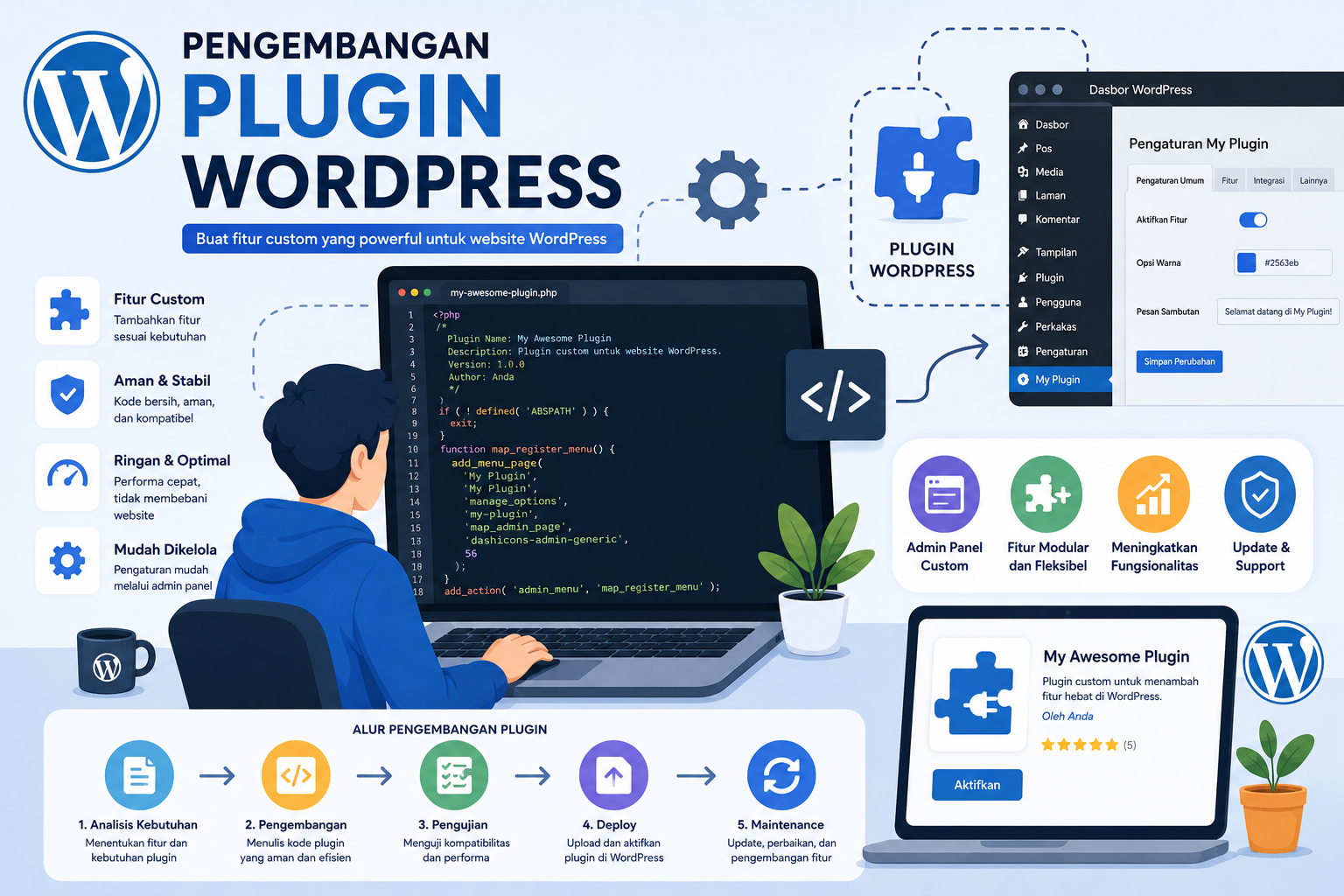
Key Pillars for Developing Global-Ready WordPress Plugins
Building plugins for a global audience demands a multi-faceted approach, integrating technical excellence with cultural sensitivity. Here are the crucial pillars:
1. Robust Internationalization (i18n) and Localization (L10n)
This is the cornerstone of global plugin development. Internationalization involves designing a plugin so it can be adapted to various languages and regions without engineering changes. Localization is the process of adapting internationalized software for a specific region or language by adding locale-specific components and translating text.
- Language Support: Ensure all strings are translatable using WordPress's standard Gettext system (
__(),_e(), etc.). Provide clear documentation for translators. - Cultural Nuances: Beyond translation, consider date and time formats, number formats, currency symbols, measurement units, and even legal disclaimers. What is appropriate in one culture might be offensive or irrelevant in another.
- Right-to-Left (RTL) Support: For languages like Arabic, Hebrew, and Persian, ensure the plugin's UI gracefully adapts to RTL layouts.
2. Performance, Scalability, and Stability
Regardless of location, users expect fast, reliable, and stable websites. In markets with varying internet speeds or specific server configurations, performance becomes even more critical. Well-optimized code, efficient database queries, and robust error handling are non-negotiable. Bridging innovation and accessibility for global markets inherently requires plugins that are high-performing and easily maintainable, ensuring a smooth user experience irrespective of their geographical location or network conditions.
- Efficient Code: Write lean, optimized code that minimizes resource usage.
- Caching Compatibility: Design plugins to be compatible with popular caching solutions to reduce server load and improve load times.
- Security: Implement robust security measures from the ground up, protecting against common vulnerabilities like XSS, SQL injection, and CSRF. Global trust relies heavily on data security.
3. Adaptability to Local Digital Ecosystems
This is where the "Digital Silk Road" truly comes alive. Different regions have unique digital landscapes. For example, in China, a plugin might need to integrate with:
- Local Payment Gateways: Alipay, WeChat Pay are essential for e-commerce plugins targeting the Chinese market.
- Local Social Media: WeChat, Weibo, Douyin (TikTok) have unique APIs and integration methods compared to Facebook, Twitter, or Instagram.
- Cloud Services: Access to regional cloud hosting or CDN services might be necessary to ensure optimal performance and compliance with local data regulations.
- Search Engines: Baidu dominates search in China, and its indexing mechanisms and SEO considerations differ from Google.
4. Culturally Informed User Experience (UX) Design
UX is not just about aesthetics; it's about intuition and cultural comfort. What feels intuitive in one culture might be confusing in another. Consider:
- Visual Design: Color palettes, iconography, and imagery can carry different connotations across cultures.
- Navigation Patterns: Some cultures prefer linear navigation, while others might favor more hierarchical or exploratory paths.
- Content Presentation: The way information is structured and presented (e.g., direct vs. indirect communication styles) can impact engagement.
Navigating the Digital Silk Road: Opportunities in the East
The vast digital economies of Asia, particularly China, represent immense opportunities for WordPress plugin developers who are willing to adapt and innovate. China's digital transformation has been incredibly rapid and comprehensive, leading to a unique and self-contained internet ecosystem. For a plugin developer, understanding this ecosystem is key to successful market entry.
- Market Size: With hundreds of millions of internet users, China offers an unparalleled user base for any digital product.
- Mobile-First Mentality: The majority of internet usage in China is mobile. Plugins must be impeccably responsive and optimized for mobile performance.
- Integration with Super-Apps: WeChat, often referred to as a "super-app," integrates social networking, messaging, payments, services, and more. Plugins that can seamlessly integrate with WeChat's ecosystem (e.g., mini-programs, official accounts) can gain significant traction.
- Local Regulations: Compliance with China's cybersecurity laws and data localization requirements is non-negotiable. This might necessitate specific hosting solutions or data handling practices.
Developing plugins for these markets isn't just about translating text; it's about translating intent and adapting functionality to local digital habits and preferences. It's about building solutions that bridge the gap between traditional and digital user expectations, ensuring that the technology feels native rather than foreign.
Crafting the Future: Sustainable Plugin Development for a Globalized World
The journey along the Digital Silk Road of Code doesn't end with a successful launch. Sustainable WordPress plugin development for global markets requires ongoing commitment:
- Continuous Updates and Support: Digital ecosystems are constantly evolving. Regular updates, bug fixes, and feature enhancements are crucial to maintain relevance and security.
- Community Engagement: Listen to feedback from diverse user bases. A strong support forum, multilingual documentation, and active community engagement can provide invaluable insights for future development.
- Partnerships: Collaborating with local developers, agencies, or cultural experts can provide an invaluable bridge to understanding and navigating specific market complexities.
- Embrace Open Source Philosophy: WordPress's open-source nature fosters collaboration. By contributing back to the community and adhering to best practices, developers ensure the health and longevity of the entire ecosystem.
Conclusion
WordPress plugin development in the 21st century is a global endeavor. It's an opportunity to create digital solutions that transcend geographical and cultural barriers, fostering connectivity and enabling businesses and individuals worldwide. By embracing the principles of internationalization, cultural adaptability, robust performance, and local ecosystem integration, developers can truly lay down the tracks for a "Digital Silk Road of Code." This approach ensures that their innovations resonate not just with a narrow demographic, but with the rich, diverse tapestry of global internet users, unlocking unparalleled growth and impact in an ever-more interconnected world.