WordPress Plugin Development: Navigating the Dragon's Digital Landscape
In the vast and interconnected world of the internet, WordPress stands as a towering pillar, powering over 43% of all websites. Its flexibility, scalability, and robust ecosystem are largely attributed to its expansive plugin architecture, which allows developers to extend its core functionality almost infinitely. While global in its reach, the unique digital landscape of China presents both unparalleled challenges and immense opportunities for WordPress plugin developers. This article delves into the distinctive perspective of WordPress plugin development, focusing on how developers can strategically approach and cater to the specific demands and nuances of the Chinese digital ecosystem.
The concept of WordPress plugin development goes beyond mere coding; it's an art of bridging digital needs. When applied to the Chinese context, this art requires an intricate understanding of not just technical specifications but also cultural sensibilities, regulatory frameworks, and dominant local platforms. Developers must pivot from a Western-centric approach to one that is deeply integrated with China's unique internet infrastructure and user behavior.
The Distinctive Chinese Digital Ecosystem: A Developer's Perspective
China's internet landscape is a self-contained universe, often referred to as the "Great Firewall." This system, while ensuring internal data sovereignty, fundamentally alters how websites and applications operate within its borders. For WordPress plugin developers, this means a range of considerations:
- The Great Firewall: Impacting access to external services (like Google Fonts, YouTube, Facebook, or even WordPress.org repositories sometimes), necessitating local alternatives or careful resource management.
- Dominant Local Platforms: Unlike the global prevalence of Google, Facebook, and Twitter, China thrives on its own powerful platforms like WeChat, Alipay, Baidu, and Weibo. Any successful plugin aiming for the Chinese market must integrate seamlessly with these local giants.
- Regulatory Environment: Strict data privacy laws, content censorship, and licensing requirements mean plugins must be designed with compliance in mind, especially concerning user data storage and content management.
- User Behavior and Preferences: Mobile-first usage, reliance on QR codes, and a preference for integrated "super apps" like WeChat define user expectations.
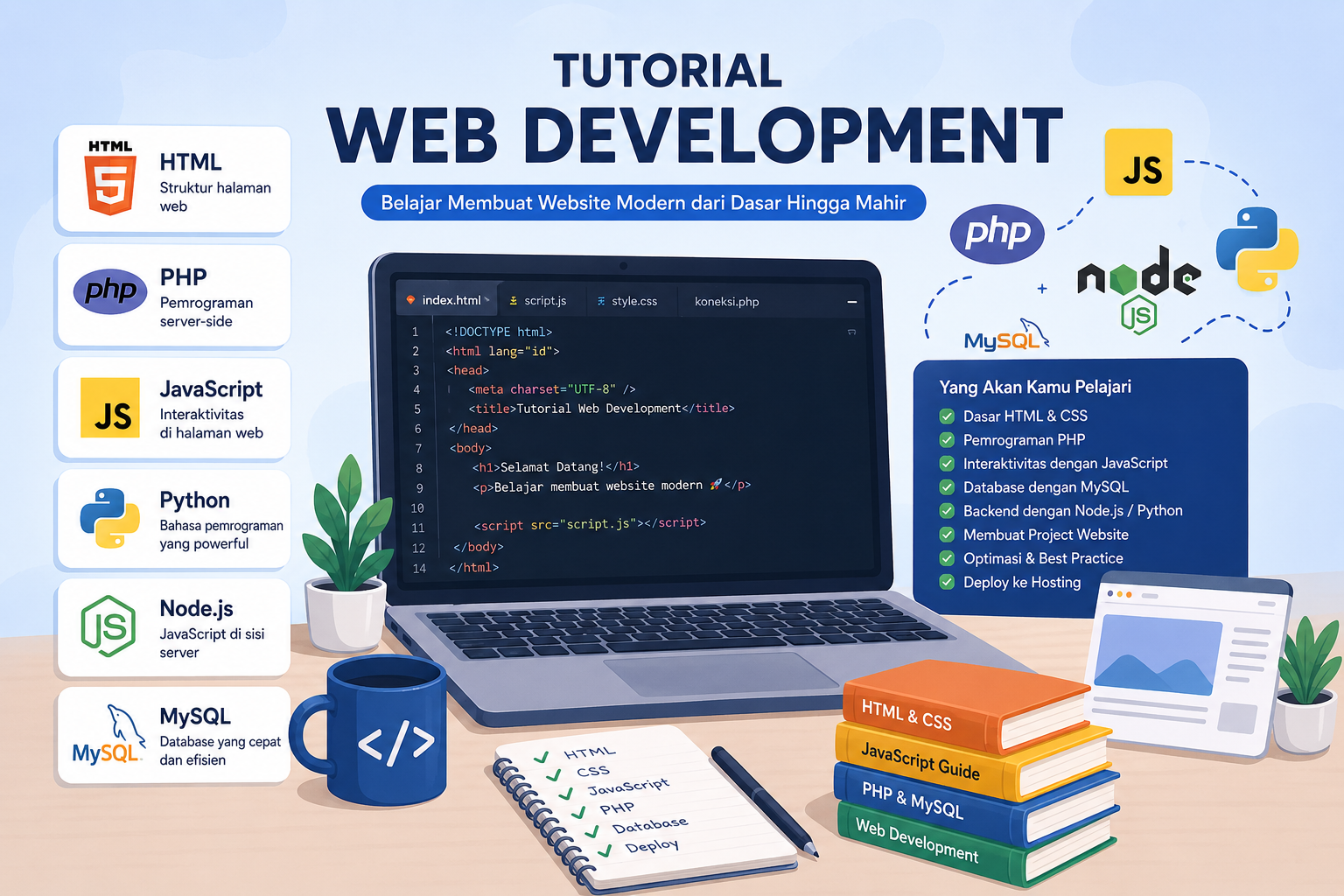
Tailoring WordPress Plugins for the Chinese Market: Key Integration Points
To effectively serve the Chinese audience, WordPress plugins need specific functionalities and optimizations:
1. Localization and Language Nuances
Beyond simply translating text into Simplified Chinese (zh_CN), true localization involves understanding cultural contexts. This includes date formats, currency symbols, measurement units, and even color psychology in design. Plugins must support robust internationalization (i18n) and localization (l10n) practices from the ground up.
2. Essential Payment Gateway Integrations
Credit cards are not the primary payment method in China. WeChat Pay and Alipay dominate the e-commerce landscape. For any WordPress e-commerce or donation plugin to be viable, native and secure integration with these platforms is non-negotiable. Developers must navigate their respective APIs, security protocols, and transaction flows, ensuring a smooth and trustworthy user experience.
3. Seamless Social Media Connectivity
Western social media plugins are largely ineffective in China. Instead, plugins should offer deep integration with:
- WeChat: For social login, content sharing, customer support, and even mini-program integration.
- Weibo: For microblogging, content dissemination, and trend tracking.
- Douyin (TikTok's Chinese version): Increasingly important for short-form video marketing and e-commerce.
This goes beyond simple share buttons; it might involve fetching user data (with explicit consent), managing content syndication, or enabling direct messaging capabilities through these platforms.
4. Baidu SEO and Search Engine Optimization
Google is inaccessible for most users in mainland China. Baidu is the undisputed king of search. WordPress SEO plugins typically focus on Google's algorithms. For China, developers need to consider Baidu-specific factors:
- Hosting: Baidu favors websites hosted within China (with an ICP license) or Hong Kong/Singapore for better loading speeds.
- Content: High-quality, original Simplified Chinese content is crucial.
- Technical SEO: Baidu has its own webmaster tools, preferred sitemap formats, and indexing behaviors that differ from Google. Plugins might need to generate Baidu-specific XML sitemaps or integrate with Baidu Webmaster Tools.
- Keywords: Researching keywords popular on Baidu and incorporating them naturally.
5. Performance and Server Location
The Great Firewall can cause significant latency for websites hosted outside mainland China. A plugin's performance can be severely hampered if it relies heavily on external resources (CDNs, APIs) that are blocked or slow to load. Therefore, plugins catering to China should:
- Minimize external dependencies.
- Support local CDN integrations (e.g., Alibaba Cloud CDN, Tencent Cloud CDN).
- Be optimized for speed and resource efficiency, as network conditions can vary.
6. Compliance and Data Privacy
China has stringent data privacy laws, including the Personal Information Protection Law (PIPL), which are akin to GDPR in their scope. Plugins that collect, store, or process user data must ensure compliance:
- Explicit Consent: Obtaining clear consent for data collection.
- Data Minimization: Only collecting necessary data.
- Data Localisation: Often requiring data of Chinese citizens to be stored on servers within mainland China.
- Security Measures: Implementing robust security to protect personal information.
Navigating these regulations requires careful design and a commitment to embracing ethical and sustainable practices in development.
Opportunities and Challenges for Developers
The Chinese market, with its hundreds of millions of internet users, represents an enormous opportunity. Companies and individuals looking to establish an online presence in China require tailored solutions, and WordPress, with the right plugins, can be their gateway. This opens avenues for developers to create niche, high-value plugins specifically for this market.
However, challenges abound:
- Regulatory Volatility: The internet regulatory landscape can change, requiring ongoing updates and vigilance.
- Competition: The domestic Chinese developer community is highly innovative and competitive.
- Technical Hurdles: Integrating with complex APIs of local platforms, ensuring compatibility across diverse devices, and dealing with network restrictions.
- Cultural Nuances: Misunderstanding cultural preferences can lead to poor user adoption.
The Future of WordPress Plugin Development in China
As China's digital economy continues its rapid expansion, the demand for sophisticated and localized WordPress solutions will only grow. Developers who master the art of building plugins tailored for this unique environment will find themselves at the forefront of a significant growth area.
This involves not just technical proficiency in PHP, JavaScript, and database management but also a strategic mindset that embraces localization, regulatory compliance, and integration with indigenous platforms. It’s about building bridges, not just code, and understanding that a successful plugin in China is one that respects and adapts to its distinct digital culture.
Ultimately, WordPress plugin development for the Chinese market is a testament to the platform's global adaptability. It challenges developers to think outside the traditional box, fostering innovation that meets the specific needs of one of the world's most dynamic and complex digital landscapes. By focusing on these unique aspects, developers can unlock immense potential and contribute to a more inclusive and effective global web.