The Architecture and Logic of PPOB Systems: A Symphony of Digital Transaction Infrastructure
Introduction to PPOB Systems
Point of Purchase Online Billing (PPOB) systems have become the backbone of modern digital economies, enabling seamless transactions for billions of users worldwide. At its core, a PPOB system is a complex network of software, hardware, and protocols designed to process payments, verify identities, and ensure trust in real-time. Unlike traditional banking, which relies on centralized control, PPOB architectures prioritize scalability, speed, and adaptability to meet the demands of a digital-first world.
Understanding the architecture and logic of PPOB requires dissecting its layered design and the interplay of components that drive efficiency. This article explores how these systems balance innovation with reliability, ensuring secure and frictionless transactions in a rapidly evolving financial landscape.
Core Architecture: Layers of a PPOB System
The architecture of a PPOB system typically consists of three primary layers: the user interface layer, the transaction processing engine, and the data security infrastructure. Each layer operates independently yet interacts seamlessly to create a cohesive user experience.
- User Interface Layer: This includes mobile apps, web portals, and APIs that users interact with. Designing a user-friendly interface is critical, as it determines the system’s accessibility and adoption rate.
- Transaction Processing Engine: This is the heart of the system, handling tasks like payment verification, fraud detection, and fund transfers. Advanced algorithms and machine learning models are often embedded here to optimize processing speed and accuracy.
- Data Security Infrastructure: Encryption protocols, multi-factor authentication, and decentralized data storage protect sensitive user information. This layer is vital for maintaining trust in the system.
Logical Flow: How Transactions Are Processed
The logic governing a PPOB system is a symphony of microservices working in harmony. When a user initiates a transaction, the system follows a predefined sequence to ensure reliability:
- Authentication: The user’s identity is verified using biometrics, OTPs, or digital signatures to prevent unauthorized access.
- Payment Authorization: The system checks the user’s account balance and transaction history to validate the request. Real-time analytics may flag suspicious activity.
- Execution and Settlement: Funds are transferred securely across networks, often leveraging blockchain or tokenization for transparency.
- Confirmation and Logging: A receipt is generated, and the transaction details are stored in a centralized ledger for auditing purposes.
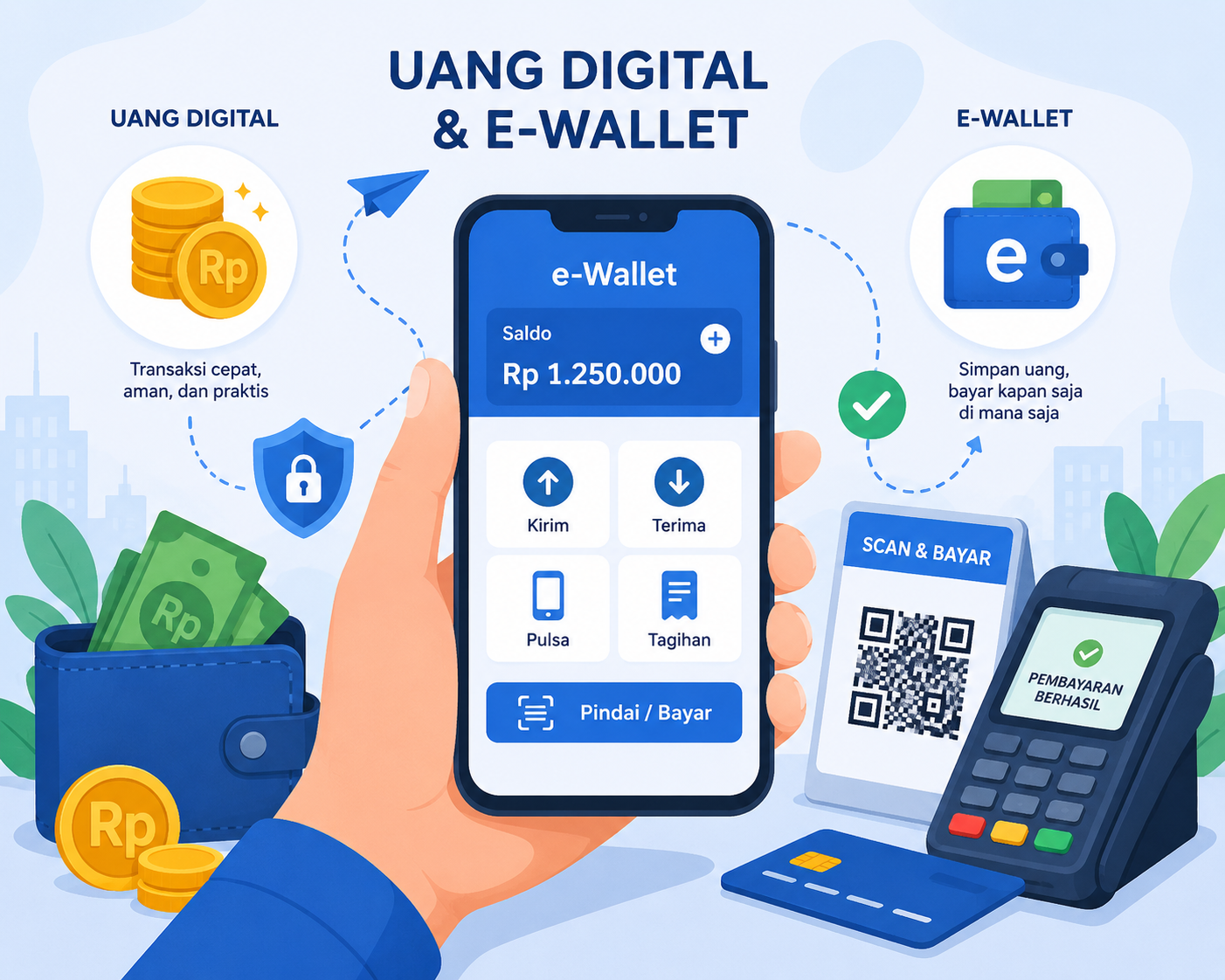
This process is optimized for speed, with latency measured in milliseconds. For instance, digital wallets like e-wallets rely on this logic to enable instant payments at physical and online retailers.
Security and Trust: The Invisible Pillars
One of the most critical aspects of PPOB systems is their ability to build and maintain trust. Without robust security measures, users are unlikely to adopt digital payment methods. The design of trust infrastructure in PPOB systems involves:
- End-to-End Encryption: Ensuring all data transmitted during a transaction is unreadable to third parties.
- Real-Time Fraud Monitoring: AI-driven tools analyze patterns to detect anomalies, such as repeated transactions from unfamiliar locations.
- Decentralized Verification: Some systems use distributed ledgers to eliminate single points of failure, enhancing resilience against attacks.
These measures create an "invisible trust infrastructure," where users feel confident about their financial activities without needing to understand the underlying complexity.
Future-Proofing: Balancing Tradition and Innovation
As PPOB systems evolve, they must bridge the gap between traditional financial practices and cutting-edge technologies. For example, while legacy banking systems emphasize regulatory compliance and physical documentation, digital platforms prioritize user experience and automation. This duality is explored in modern PPOB frameworks, which integrate APIs for legacy systems with cloud-native solutions for scalability.
Emerging trends like quantum-resistant cryptography and AI-driven predictive analytics are also being tested to future-proof these systems. However, the challenge lies in maintaining backward compatibility with older networks while adopting new standards.
Conclusion
The architecture and logic of PPOB systems represent a remarkable fusion of technology and human-centric design. By breaking down transactions into modular components and prioritizing security, these systems have redefined how we perceive financial interactions. As digital economies expand, the evolution of PPOB will continue to shape global commerce, offering a blueprint for trust, efficiency, and innovation.
For businesses and developers, understanding this architecture is not just about building better systems—it’s about fostering a culture of transparency and adaptability in an increasingly interconnected world.