The Art of WordPress Plugin Development: Bridging Global Innovation and Local Customization
Introduction to WordPress Plugin Development
WordPress plugin development is a dynamic field that empowers developers to extend the functionality of websites beyond the core platform. With over 60 million websites relying on WordPress, plugins play a pivotal role in customizing user experiences, enhancing performance, and integrating specialized tools. Whether it's bridging global innovation with Indonesian cultural uniqueness or adapting solutions for the Thai market, plugins serve as the linchpin between universal web standards and localized needs.
Technical Architecture and Design Principles
At its core, a WordPress plugin is a set of PHP-based functions that interact with the WordPress core, themes, and other plugins. Developers must adhere to strict coding standards to ensure compatibility and security. The architecture typically includes hooks (actions and filters), which allow plugins to modify or enhance existing WordPress behavior. For instance, when creating a payment gateway plugin, developers must integrate with WooCommerce APIs while maintaining PCI compliance.
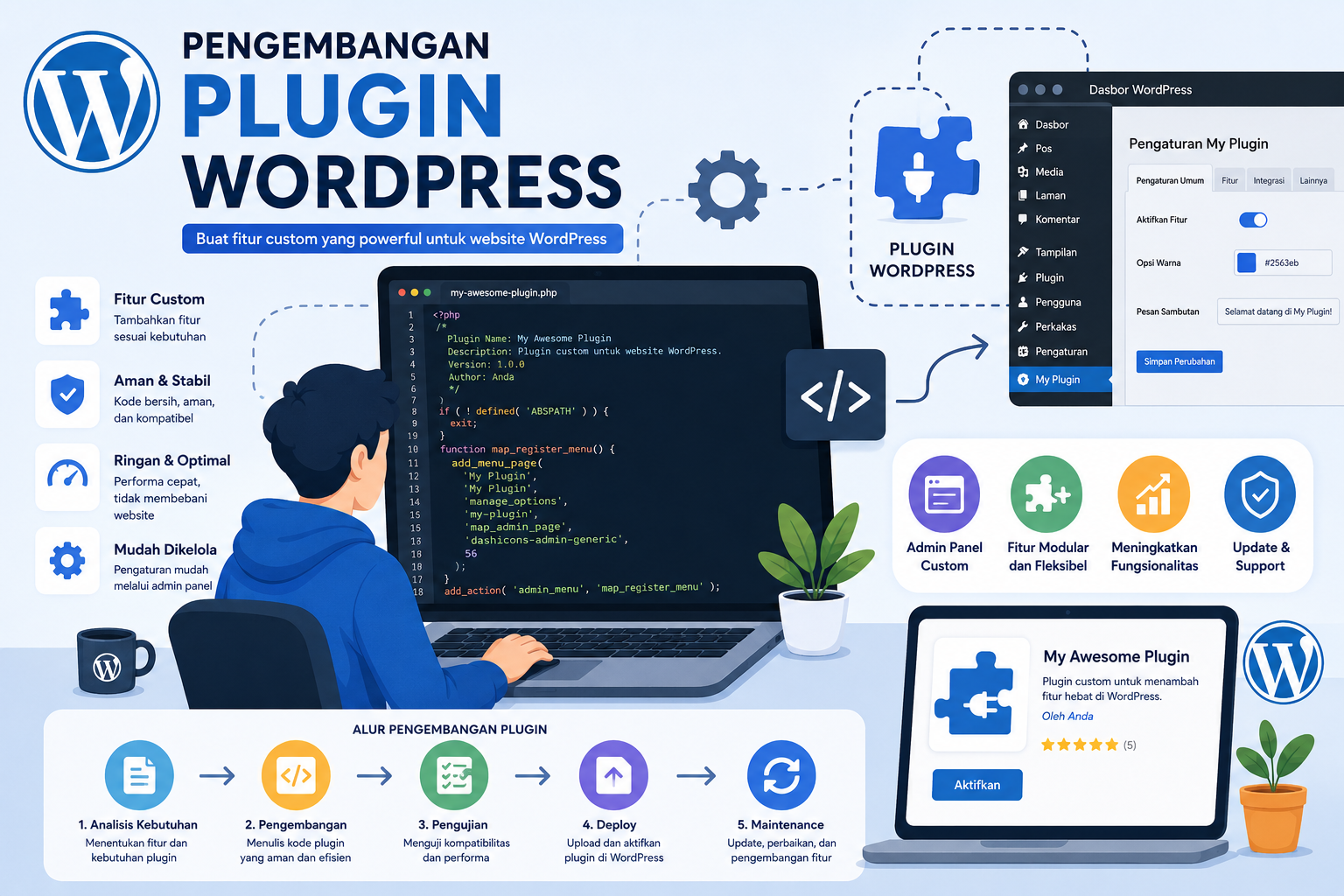
Security and Performance Optimization
Security is paramount in plugin development. Vulnerabilities such as SQL injection or cross-site scripting (XSS) can compromise entire websites. Developers must employ nonces for form submissions, sanitize inputs, and escape outputs. Performance optimization is equally critical; plugins should minimize database queries, leverage caching mechanisms, and avoid resource-heavy scripts. Tools like Japanese developers have pioneered lightweight solutions that balance functionality with speed.
Customization for Global and Local Markets
Plugins must adapt to diverse regional requirements. For example, a plugin for Indonesian e-commerce sites might need to support multiple currencies and local payment methods like GoPay or OVO, while a Thai solution could integrate with LINE payments. Developers should also consider language localization, cultural nuances, and regulatory compliance. Thai developers have successfully merged traditional design elements with modern digital tools, creating plugins that resonate with local users.
Future Trends: AI Integration and Headless CMS
Emerging technologies like artificial intelligence (AI) are reshaping plugin development. AI-powered plugins can automate content creation, optimize SEO, or personalize user interactions. Headless CMS architectures, where WordPress acts as a backend content repository, are also gaining traction. Developers must now create REST API-compatible plugins that work seamlessly with frontend frameworks like React or Vue.js. This shift demands a deep understanding of both WordPress and modern development ecosystems.
Conclusion
WordPress plugin development is an ever-evolving discipline that requires technical expertise, cultural awareness, and a commitment to innovation. By leveraging global best practices and tailoring solutions to local markets, developers can create plugins that drive digital transformation. Whether you're building for Indonesia's vibrant small businesses or Thailand's tech-savvy consumers, the principles remain the same: prioritize security, optimize performance, and embrace adaptability.