Beyond Transactions: The Invisible Architectures of Digital Finance and E-Wallets Reshaping Economic Realities
The ubiquity of smartphones has quietly ushered in a profound transformation of how we manage our money. What began as a simple convenience—paying with a tap or scan—has evolved into a complex ecosystem known as digital finance, with e-wallets at its forefront. This isn't merely about ditching physical cash; it's about a fundamental rewiring of economic interactions, democratizing access to financial services, and creating an entirely new architecture of monetary exchange. This article delves beyond the superficial convenience to explore the invisible forces and profound implications of digital finance and e-wallets in shaping our current and future economic realities.
The Quiet Revolution: From Coins to Code
For centuries, physical currency, whether coins or banknotes, reigned supreme as the primary medium of exchange. Its tangibility offered a sense of security and simplicity. However, the digital age has progressively chipped away at this paradigm. Early forms of electronic banking and credit cards laid the groundwork, but it was the smartphone, coupled with robust internet infrastructure, that truly ignited the digital finance revolution. Suddenly, a device in everyone's pocket became a powerful financial tool.
E-wallets, also known as mobile wallets, are the most tangible manifestation of this shift for the everyday consumer. They are digital interfaces that store payment information, facilitate peer-to-peer (P2P) transfers, manage loyalty points, and enable a myriad of financial transactions. From paying for groceries to splitting a restaurant bill with friends, e-wallets have become an indispensable part of modern life for billions globally. Their rise is not just a technological fad; it reflects a deeper societal move towards instant, seamless, and increasingly cashless interactions.
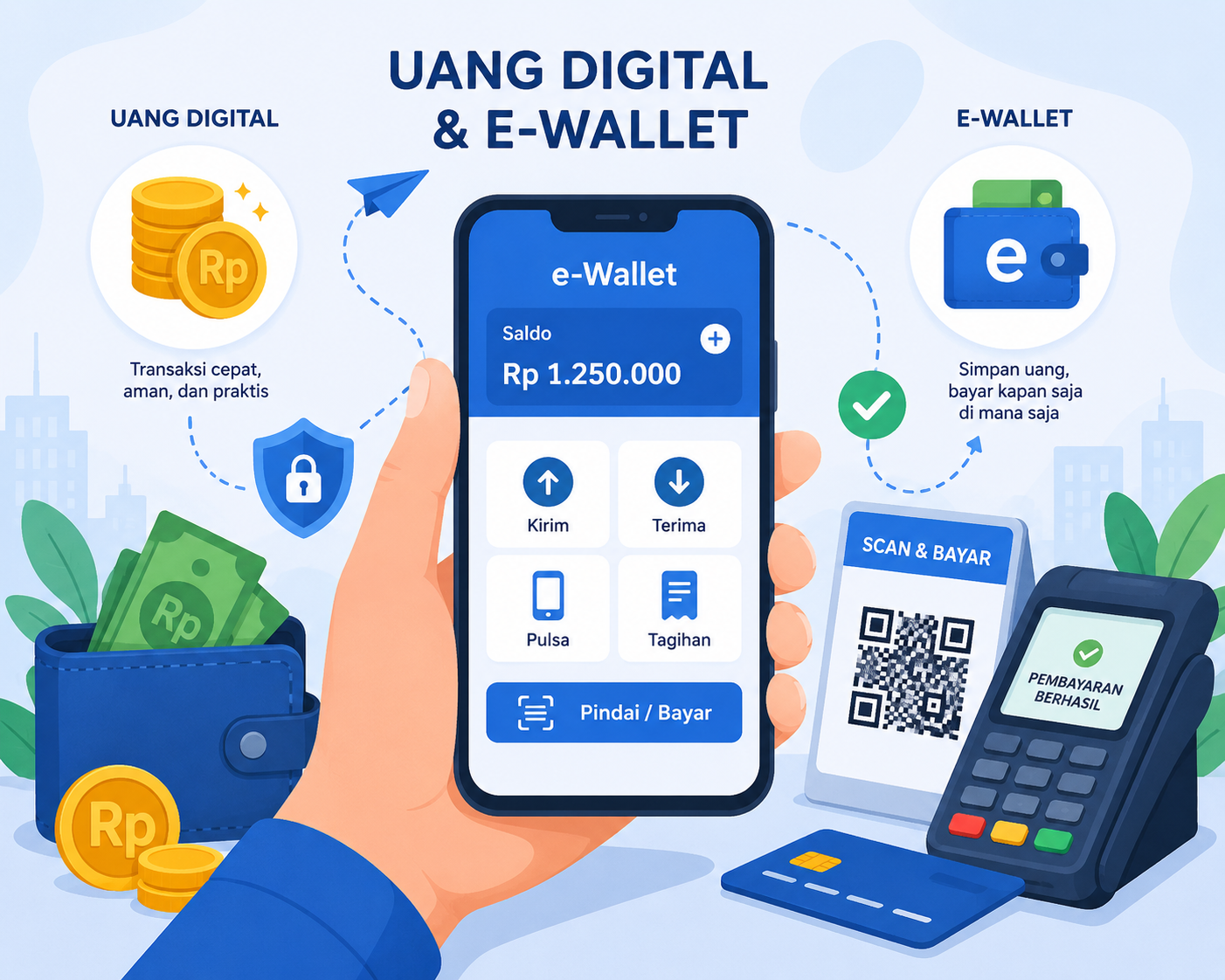
E-Wallets: More Than Just a Digital Pocket
While often perceived as mere digital replacements for physical wallets, e-wallets offer a suite of functionalities that far exceed their leather counterparts. They are gateways to a broader digital finance ecosystem, providing:
- Unparalleled Convenience: Eliminating the need for physical cards or cash, transactions are executed with a quick scan or tap, making payments faster and more efficient.
- Accessibility and Financial Inclusion: In many developing nations, e-wallets have bypassed traditional banking infrastructure, offering financial services to vast populations previously excluded from the formal economy. All that's often needed is a basic mobile phone, connecting individuals to vital services like remittances, savings, and credit.
- Integrated Services: Beyond payments, many e-wallets integrate utility bill payments, public transport ticketing, investment opportunities, and even insurance, transforming into comprehensive financial hubs.
- Enhanced Security (with caveats): While not immune to threats, many e-wallets employ encryption, tokenization, and biometric authentication (fingerprint, facial recognition) to secure transactions, arguably making them safer than carrying large amounts of cash.
- Loyalty and Rewards: E-wallets often integrate loyalty programs and offer cashback, discounts, and personalized promotions, adding tangible value for users.
The Invisible Architectures: Powering the Digital Financial Revolution
The smooth, instantaneous experience of using an e-wallet belies a sophisticated and intricate backend infrastructure. This "unseen architecture" is the true engine driving the digital finance revolution, comprising layers of technology, protocols, and security measures working in concert. Understanding these undercurrents is crucial to appreciating the profound impact of this shift. Indeed, much like the broader technological landscape, the unseen architectures of today's tech revolutions are what truly define our digital future.
1. Application Programming Interfaces (APIs) and Interoperability
At the heart of modern digital finance lies an extensive network of APIs. These are software intermediaries that allow different applications to talk to each other. When you link your bank account to an e-wallet, or use your e-wallet to pay for a third-party service, APIs facilitate that secure communication. They enable seamless data exchange, allowing diverse financial services to integrate and offer a unified experience. This interoperability is what transforms disparate financial tools into a cohesive digital ecosystem.
2. Cloud Computing and Scalability
Digital finance platforms handle an enormous volume of transactions and user data. Cloud computing provides the scalable infrastructure necessary to process this data efficiently and reliably. It allows fintech companies to rapidly deploy new services, manage peak transaction loads, and store vast amounts of information securely without the need for expensive physical infrastructure. This scalability is critical for global expansion and accommodating the rapid growth in user adoption.
3. Data Analytics and Artificial Intelligence (AI)
Every digital transaction leaves a data trail. Advanced data analytics and AI algorithms process this information to extract insights, personalize user experiences, and bolster security. AI-powered systems can detect fraudulent activities in real-time by identifying unusual spending patterns, significantly reducing financial crime. They also enable personalized financial advice, automated budgeting, and tailored product recommendations, moving digital finance beyond mere transaction processing into intelligent financial management.

4. Robust Cybersecurity Frameworks
Given the sensitive nature of financial data, cybersecurity is paramount. Digital finance relies on multi-layered security protocols including:
- Encryption: Protecting data both in transit and at rest, rendering it unreadable to unauthorized parties.
- Tokenization: Replacing sensitive card data with a unique, randomly generated "token" during transactions, so actual card numbers are never exposed to merchants.
- Multi-Factor Authentication (MFA): Requiring more than one method of verification (e.g., password + biometric scan or OTP) to access accounts or authorize transactions, significantly enhancing security.
- Fraud Detection Systems: As mentioned, AI and machine learning play a crucial role in proactively identifying and preventing fraudulent activities.
The continuous evolution of these security frameworks is a silent battle against increasingly sophisticated cyber threats, ensuring the integrity and trustworthiness of digital financial systems.
Digital Finance: Beyond Transactions, Towards Intelligent Financial Management
The true power of digital finance extends beyond merely digitizing existing payment methods. It's about empowering individuals and businesses with tools for intelligent financial management and deeper economic engagement.
Personalized Financial Insights
Through data aggregation and AI analysis, digital finance platforms can offer users unprecedented insights into their spending habits, budget adherence, and savings potential. They can categorize expenses, identify subscription services, and even predict future cash flows, turning complex financial planning into an accessible, automated process.
Micro-Lending and Investment Opportunities
Digital platforms have made micro-lending more efficient and accessible, particularly in emerging markets where traditional banks might hesitate. Similarly, fractional investing and simplified trading interfaces within digital finance apps are democratizing access to capital markets, allowing individuals to invest small amounts in stocks, funds, or even cryptocurrencies. This lowers the barrier to entry for wealth creation and financial growth.
Remittances and Cross-Border Payments
For migrant workers and international businesses, digital finance has revolutionized remittances and cross-border payments. Traditionally slow and expensive, these transactions are now faster, cheaper, and more transparent through e-wallets and specialized fintech services, fostering global economic connectivity and supporting families worldwide.
Navigating the Challenges: Security, Regulation, and the Digital Divide
While the benefits of digital finance are immense, its rapid proliferation also presents significant challenges that require careful consideration and robust solutions.
Security and Privacy Concerns
Despite advanced security measures, the sheer volume and sensitivity of data handled by digital finance platforms make them prime targets for cyberattacks. Data breaches, phishing scams, and identity theft remain persistent threats. Maintaining user trust requires continuous investment in cybersecurity and transparent privacy policies.
Evolving Regulatory Landscape
The rapid pace of innovation in digital finance often outstrips existing regulations. Governments and financial authorities worldwide are grappling with how to effectively regulate e-wallets and fintech services to protect consumers, prevent money laundering, and ensure financial stability without stifling innovation. This creates a complex and often fragmented regulatory landscape, especially for cross-border operations.
The Digital Divide
While digital finance has boosted financial inclusion, a significant portion of the global population still lacks access to smartphones, reliable internet, or the digital literacy required to use these services effectively. This "digital divide" risks exacerbating existing inequalities, as those without access may be left behind in an increasingly digital economy.
Algorithmic Bias
The reliance on AI and machine learning for credit scoring, fraud detection, and personalized services introduces the risk of algorithmic bias. If the training data for these algorithms reflects historical biases (e.g., based on race, gender, or socioeconomic status), the digital finance system could inadvertently perpetuate or even amplify discrimination, leading to unfair outcomes for certain demographics.
The Future Landscape: What's Next for Digital Finance and E-Wallets?
The evolution of digital finance is far from over. The future promises even deeper integration, more sophisticated AI, and new paradigms of monetary exchange. As we consider the trends shaping the future of the digital world, several key developments stand out:
1. Central Bank Digital Currencies (CBDCs)
Many central banks worldwide are exploring or piloting their own digital currencies. CBDCs could combine the efficiency of digital payments with the stability and trust of government-backed fiat currency, potentially reshaping payment systems and monetary policy.
2. Hyper-Personalization and Proactive Financial Guidance
Future e-wallets and digital finance platforms will likely move from reactive insights to proactive guidance. Leveraging advanced AI, they could anticipate users' financial needs, offer real-time investment opportunities, suggest optimal savings strategies, and even automatically adjust spending limits based on predicted income and expenses.
3. Integration with the Metaverse and Web3
As virtual worlds and the decentralized web (Web3) grow, digital finance will play a critical role. E-wallets could become gateways for transacting in virtual economies, managing digital assets (NFTs), and participating in decentralized finance (DeFi) protocols, blurring the lines between physical and virtual wealth.
4. Embedded Finance
Financial services will become increasingly "invisible," embedded directly into non-financial platforms. Imagine ordering groceries, and the payment, credit, and insurance are all seamlessly integrated into the shopping experience without ever opening a separate banking app. This makes financial services contextual and frictionless.
5. Enhanced Biometrics and Passwordless Authentication
The future of security will lean heavily on advanced biometrics (e.g., voice, behavioral patterns) and passwordless authentication methods, making transactions even more secure and convenient by reducing friction points while enhancing protection.

Societal Impact and Economic Transformation
The shift to digital finance and the widespread adoption of e-wallets are not just technological upgrades; they are catalysts for profound societal and economic transformation.
- Shifting Consumer Behavior: The expectation of instant, frictionless transactions is becoming the norm, influencing everything from retail to healthcare.
- Impact on Traditional Banking: Established banks are forced to innovate rapidly, adopting fintech solutions or collaborating with startups to remain competitive and relevant.
- Economic Growth: Increased financial inclusion can stimulate economic activity, as more people gain access to credit, savings, and investment tools, fostering entrepreneurship and reducing poverty.
- Transparency and Accountability: Digital trails make financial transactions more transparent, potentially aiding in the fight against corruption and illicit financial flows, although privacy concerns need careful balancing.
Conclusion
Digital finance and e-wallets represent far more than just a convenient way to pay. They are the visible tip of a massive, invisible architectural shift that is fundamentally reshaping how money flows, how value is exchanged, and who participates in the global economy. From the complex network of APIs that enable seamless interactions to the sophisticated AI algorithms that detect fraud and personalize services, the underlying infrastructure is continually evolving, driving profound societal and economic changes.
As we move forward, the challenge lies in harnessing the immense potential of this digital revolution to create a more inclusive, efficient, and secure financial world, while simultaneously addressing the critical issues of security, regulation, and equitable access. The journey beyond transactions is truly a journey towards a fundamentally new economic reality, built on the invisible yet powerful architectures of digital finance.