Beneath the Surface: Unveiling the Unseen Pillars Driving Today's Tech Revolution
In an era defined by relentless innovation, the digital landscape is in a constant state of flux, presenting a dizzying array of "latest technology news & trends" daily. From generative AI creating masterpieces to quantum computing promising to shatter existing paradigms, the sheer volume of advancements can be overwhelming. Yet, to truly grasp the trajectory of our digital future, one must look beyond the surface-level announcements and delve into the unseen pillars that form the foundational architecture of today's tech revolution. These are the underlying economic shifts, ethical imperatives, infrastructural advancements, and societal realignments that silently dictate the pace and direction of innovation. Understanding these deeper currents is not just an academic exercise; it's crucial for businesses, policymakers, and individuals to navigate and proactively shape the future.
This article aims to deconstruct these hidden drivers, moving beyond mere descriptions of new gadgets and software to explore the profound forces at play. We will examine how artificial intelligence, decentralization, sustainable technology, hyper-personalization, and the nascent quantum frontier are not just individual trends but interconnected manifestations of a larger digital metamorphosis, each resting on complex, often invisible, foundations.
The AI Renaissance: Beyond the Hype Cycle and Towards Foundational Integration
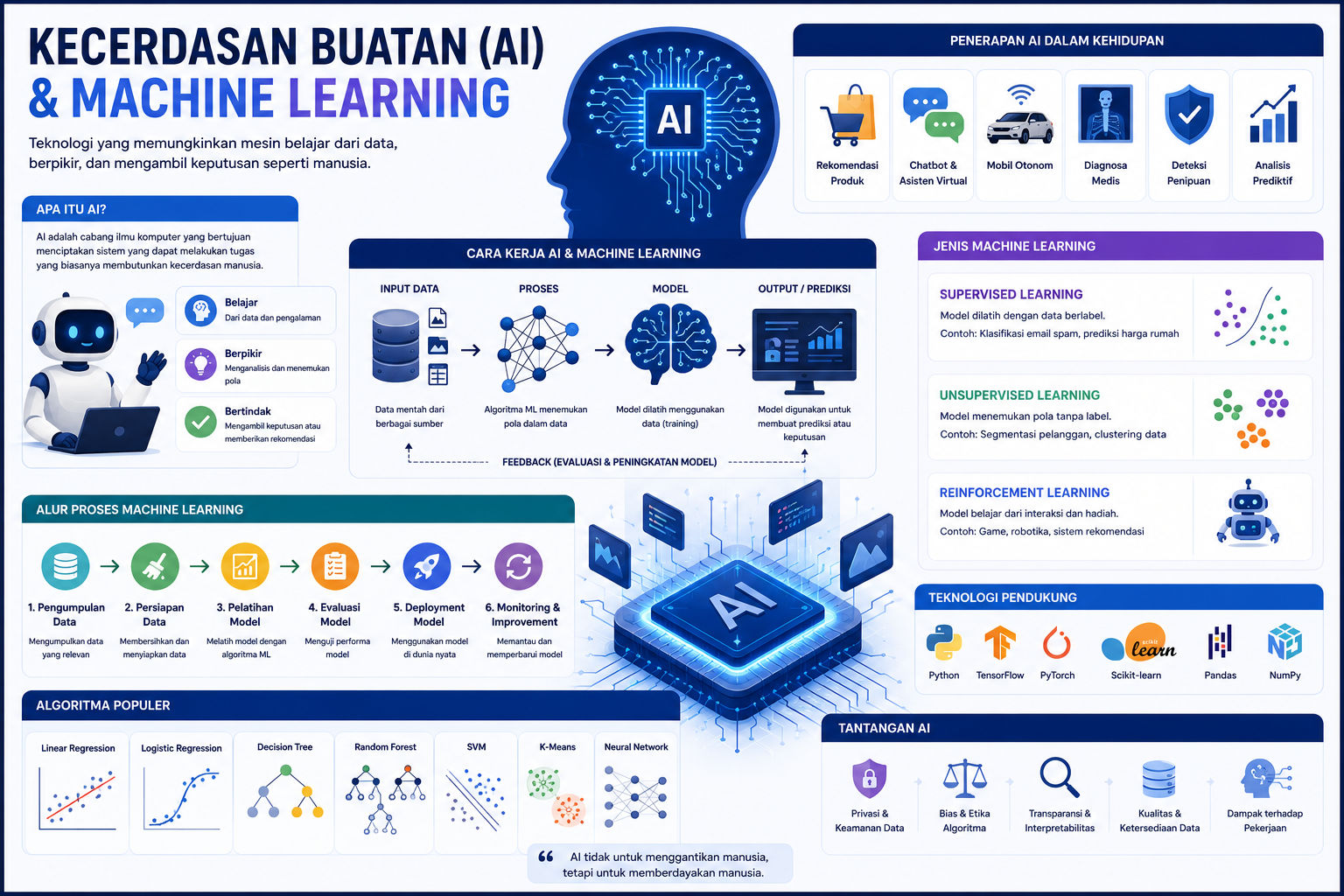
Artificial Intelligence continues to dominate tech headlines, with generative AI models like ChatGPT and Midjourney pushing the boundaries of what machines can create. However, the true significance of AI's current renaissance lies not just in its impressive applications, but in its evolving role as a foundational layer across virtually all technological stacks. This shift is powered by three unseen pillars:
- Exponential Compute Power: The continuous, though sometimes debated, adherence to Moore's Law, combined with specialized hardware like GPUs and TPUs, has made processing massive datasets economically feasible. Cloud computing infrastructures provide scalable access to these resources, democratizing AI development.
- Ubiquitous Data Availability: The digital exhaust generated daily – from social media interactions to IoT sensor readings – provides the fuel for AI models. Advanced data collection, storage, and processing techniques, often invisible to the end-user, are critical.
- Algorithmic Breakthroughs and Open-Source Collaboration: Innovations in neural network architectures (like Transformers) and reinforcement learning have dramatically improved AI capabilities. The vibrant open-source community accelerates this progress, making sophisticated tools accessible globally.
The impact of this foundational integration is multifaceted. In healthcare, AI is not merely assisting with diagnoses but accelerating drug discovery by simulating molecular interactions at unprecedented speeds. In creative industries, it's transforming workflows, allowing artists and designers to rapidly prototype ideas, blurring the lines between human and machine creativity. For software development, AI-powered coding assistants are becoming indispensable, optimizing code and reducing development cycles. Yet, this integration also brings profound ethical considerations: issues of bias embedded in training data, the transparency (or lack thereof) of complex algorithms, the potential for job displacement, and the paramount need for robust regulatory frameworks to ensure responsible AI development. The conversation is shifting from "what AI can do" to "how AI should be governed and integrated ethically" into our core societal infrastructures.
The Decentralization Imperative: Redefining Digital Trust and Ownership
Beyond the speculative frenzy of cryptocurrencies, the underlying philosophy of decentralization, primarily championed by Web3 and blockchain technologies, represents a fundamental re-architecture of digital trust and ownership. This trend is driven by a societal yearning for greater transparency, security, and individual control over digital assets and identities, a response to the centralized power structures that have dominated the internet's earlier iterations.
The unseen pillars here include:
- Cryptographic Advancements: The sophisticated mathematics underpinning blockchain ensures data integrity and security without relying on central authorities. This trustless environment is a paradigm shift.
- Distributed Ledger Technology (DLT): Beyond just blockchain, various DLTs are exploring efficient ways to maintain shared, immutable records, fostering transparency in supply chains, voting systems, and digital identity management.
- Community Governance Models: Decentralized Autonomous Organizations (DAOs) experiment with new forms of collective decision-making, aiming to distribute power and decision-making among stakeholders rather than concentrating it in a few hands.
While still in its nascent stages, the decentralization imperative is challenging existing paradigms in finance (DeFi), gaming (GameFi), and digital content creation (NFTs and creator economies). It promises a future where individuals have more granular control over their data, less reliance on intermediaries, and a more equitable distribution of digital value. However, significant challenges remain, including scalability issues, regulatory complexities, energy consumption concerns, and the need for user-friendly interfaces that can onboard the mainstream. The true test of decentralization will be its ability to overcome these hurdles and deliver on its promise of a more open, secure, and user-centric internet.
Sustainable Tech: Innovation Meets Environmental Responsibility
As the urgency of climate change escalates, technology is increasingly viewed not just as a driver of progress but as a critical tool for environmental sustainability. The trend towards sustainable technology is a profound shift, moving beyond mere corporate social responsibility to an integrated design principle, fueled by consumer demand, regulatory pressure, and the economic benefits of efficiency.
The foundational elements driving this trend are:
- Green Computing and Energy Efficiency: Innovations in data center design, server virtualization, and low-power hardware are reducing the carbon footprint of digital infrastructure. The transition to renewable energy sources for powering these facilities is a major, yet often invisible, investment.
- Circular Economy Principles: Tech companies are increasingly adopting strategies for product longevity, repairability, recycling, and responsible disposal, moving away from the linear "take-make-dispose" model. This involves rethinking supply chains and material science.
- IoT and AI for Resource Optimization: Smart sensors and AI algorithms are being deployed to optimize resource usage in everything from precision agriculture (minimizing water and pesticide use) to smart cities (managing traffic, waste, and energy grids more efficiently).
This trend signifies a deeper realization that technological advancement cannot come at the expense of planetary health. It's about developing innovations that are inherently resource-efficient, low-carbon, and designed for longevity. The investment in sustainable tech is not just about compliance; it's about competitive advantage and building long-term resilience for businesses and societies alike. It underscores a shift in collective consciousness, where technology is increasingly expected to solve, rather than exacerbate, environmental challenges.
Hyper-Personalization and Ambient Computing: The Invisible Interface
The quest for seamless, intuitive, and highly personalized digital experiences continues unabated. This trend is leading us towards "ambient computing," where technology recedes into the background, proactively anticipating our needs and interacting with us through invisible interfaces. This level of personalization is far beyond simple recommendations; it's about systems that understand context, predict intent, and blend seamlessly into the fabric of daily life.
Key unseen drivers include:
- Advanced Sensor Fusion: A myriad of sensors embedded in smart devices, wearables, and environments constantly collect data on our surroundings, activities, and physiological states. The ability to integrate and make sense of this diverse data stream is crucial.
- Predictive Analytics and Machine Learning: Sophisticated ML models analyze vast datasets to infer user preferences, habits, and likely future actions, enabling systems to offer relevant information or services before they are explicitly requested.
- Edge Computing: Processing data closer to the source (on the device itself or nearby servers) reduces latency and enhances privacy, making real-time, context-aware interactions possible without constant reliance on cloud servers.
Imagine smart homes that adjust lighting and temperature based on your mood, wearables that provide real-time health insights and proactive advice, or vehicles that learn your commuting patterns and suggest alternative routes based on unforeseen events. The promise is unparalleled convenience and efficiency. However, this trend also intensifies the data privacy paradox. The more "invisible" and "proactive" technology becomes, the more data it collects about us, raising critical questions about surveillance, consent, and control over our digital selves. The unseen challenge is to design these systems with privacy-by-design principles, ensuring users retain agency in an increasingly ambient digital world.
The Quantum Horizon and Beyond: Seeds of Future Revolutions
While many of the discussed trends are shaping our present and near future, the seeds of even more profound revolutions are being sown in the realm of quantum computing and other nascent technologies. Quantum computing, in particular, remains largely in the research and development phase, yet its potential impact is so immense that it represents a critical "unseen pillar" currently being constructed.
The foundational efforts here are:
- Quantum Physics Research: The ability to manipulate quantum phenomena like superposition and entanglement requires deep scientific understanding and groundbreaking engineering.
- Specialized Hardware Development: Building stable qubits and quantum processors is an enormous challenge, involving cryogenic temperatures, vacuum chambers, and highly precise control systems.
- Algorithmic Innovation: Developing quantum algorithms capable of leveraging these unique properties for specific problem-solving (e.g., Shor's algorithm for factorization, Grover's algorithm for search) is critical.
Once mature, quantum computers could revolutionize fields currently intractable for classical computers. They promise to break modern encryption, accelerate drug discovery by simulating complex molecular structures, optimize logistical networks beyond current capabilities, and spur advancements in material science. Alongside quantum computing, other long-term investments in areas like advanced biotechnologies (CRISPR, synthetic biology) and neurotechnology (brain-computer interfaces) are also quietly laying the groundwork for future paradigm shifts that will redefine human capabilities and our relationship with technology. These are the "unseen" long-term bets that could fundamentally alter our future in ways we are only just beginning to comprehend.
The Confluence of Trends: A Holistic Digital Future
Crucially, these trends are not isolated phenomena but deeply interconnected, forming a complex tapestry of innovation. AI fuels sustainable tech by optimizing resource allocation; decentralization offers new models for data ownership in a hyper-personalized world; and quantum computing, though futuristic, will ultimately provide the computational backbone for advanced AI and complex simulations in all these domains. This confluence creates a dynamic, evolving digital ecosystem where the impact of one trend amplifies or modifies another.
As we observe these latest technology news and trends, it becomes clear that building a better digital future requires more than just developing new technologies. It demands a holistic understanding of the unseen economic, ethical, social, and infrastructural pillars that support them. It calls for proactive engagement from all stakeholders to ensure that innovation serves humanity's best interests, addressing challenges like digital divides, ethical AI governance, and environmental sustainability.
Conclusion
The world of technology is a vibrant, ever-changing frontier. By looking beneath the surface of immediate breakthroughs and understanding the underlying forces – the unseen pillars of compute, data, ethics, decentralization, sustainability, and foundational research – we gain a far richer and more actionable perspective. This deeper insight empowers us not just to react to the latest trends but to anticipate their evolution, mitigate potential risks, and actively participate in shaping a digital future that is innovative, inclusive, and responsible. The revolution is ongoing, and its true drivers are often found where we least expect them, silently constructing the world of tomorrow.