The Unseen Pillars: Deconstructing the Foundations of Today's Tech Revolution
In the whirlwind of technological advancements, it's easy to get caught up in the dazzling surface-level innovations – the latest gadgets, the most sophisticated AI models, or the next big social media phenomenon. We often marvel at the products and services that emerge, yet rarely pause to consider the intricate, often unseen, architectures and foundational shifts that truly drive these revolutions. Understanding the latest technology news and trends requires looking beyond the immediate headlines and delving into the underlying forces, ethical considerations, and systemic changes that are quietly reshaping our digital future. This article aims to explore these deeper currents, uncovering the invisible architects behind the visible innovations.
Beyond the Hype: Understanding Core Drivers
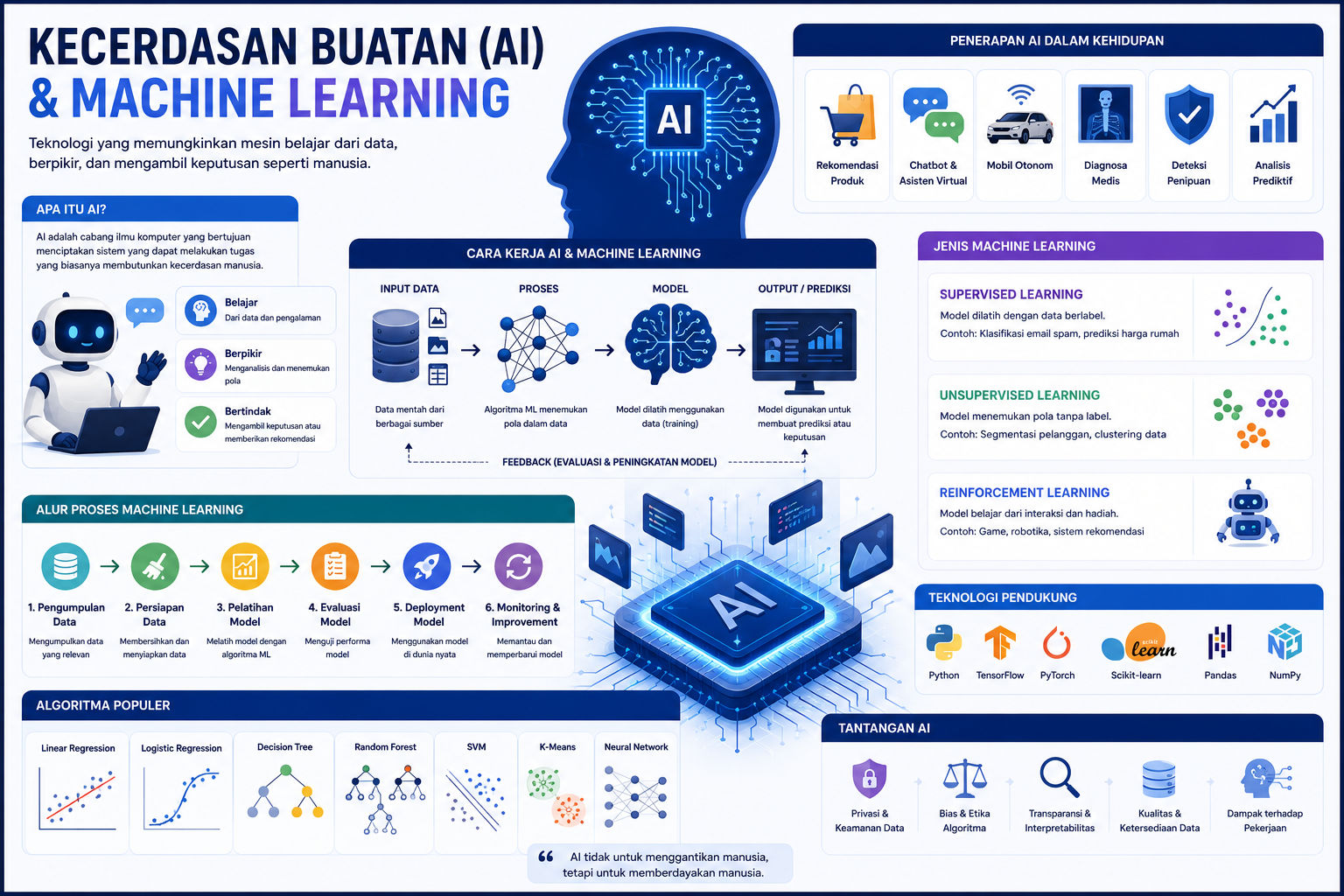
Every breakthrough we witness is built upon layers of foundational work, often spanning decades. Artificial Intelligence, for instance, is not a sudden emergence but the culmination of relentless research in machine learning algorithms, vast improvements in computational power (driven by specialized hardware like GPUs), and the unprecedented availability of data. The 'trend' of generative AI, while spectacular, rests on the bedrock of transformer architectures, massive datasets, and sophisticated training methodologies that are less visible to the average user but absolutely crucial. These core drivers dictate the pace and direction of innovation, acting as the silent engines of progress.
The Ethical and Regulatory Undercurrents of AI
One of the most profound, yet often overlooked, forces shaping current technology trends is the increasing focus on ethics and regulation, particularly concerning AI. As AI becomes more integrated into critical systems – from healthcare to finance – the invisible hand of ethical guidelines, data privacy laws (like GDPR and CCPA), and calls for explainable AI (XAI) are profoundly influencing its development and deployment. These aren't technical trends in themselves, but they are powerful determinants of how technology evolves. Companies are now investing heavily in AI ethics teams, bias detection tools, and privacy-preserving machine learning techniques, not just because it's good practice, but because it's becoming a societal and regulatory imperative. This shift represents a maturity in the tech industry, moving from a "move fast and break things" mentality to a more responsible and governance-aware approach. This deep dive into the underlying currents highlights how these non-technical factors serve as crucial invisible architects shaping tomorrow's tech landscape.
Sustainability as a Foundational Principle
Another powerful, albeit often subtle, driver in current tech trends is the imperative for sustainability. Climate change and resource depletion are no longer abstract concerns; they are tangible factors influencing research and development, supply chain decisions, and even consumer preferences. This isn't just about eco-friendly packaging; it's about fundamental shifts in how technology is designed, produced, and consumed. We're seeing trends towards:
- Green Computing: Efforts to reduce the energy consumption of data centers, processors, and networks. Innovations in liquid cooling, renewable energy sources for server farms, and more energy-efficient algorithms are becoming standard.
- Circular Economy in Hardware: A move away from linear "take-make-dispose" models towards designing electronics for longevity, repairability, and recyclability. This impacts everything from material selection to product design and end-of-life management.
- Sustainable AI: Developing AI models that are not only efficient but also environmentally conscious, addressing the significant carbon footprint associated with training large language models.
These sustainable practices, while not always front-page news, are deeply embedded in the strategic decisions of leading tech companies and startups alike, shaping an entirely new generation of eco-conscious technologies.
The Evolution of Digital Infrastructure and Decentralization
While we talk about "the metaverse" or "Web3," the real revolution lies in the foundational shift towards decentralized digital infrastructure. Blockchain technology, beyond cryptocurrencies and NFTs, is quietly fostering new paradigms for data ownership, identity management, and secure transactions. This trend isn't just about new applications; it's about rebuilding the very architecture of the internet to be more resilient, transparent, and user-centric. Technologies like verifiable credentials, decentralized autonomous organizations (DAOs), and peer-to-peer networks are laying the groundwork for an internet where control is distributed rather than centralized. This represents a significant architectural evolution that will impact everything from financial services to supply chain logistics. To truly grasp these shifts, one must membedah arsitektur tak terlihat di balik tren teknologi terkini.
The Human Element: User Experience and Accessibility as Core Drivers
In the rush to innovate, the human element can sometimes be an afterthought. However, a significant undercurrent in current tech trends is the prioritization of user experience (UX) and accessibility. Technology is increasingly being designed not just to perform functions, but to integrate seamlessly and intuitively into human lives, catering to diverse needs. This includes:
- Inclusive Design: Developing products and services that are usable by people with disabilities, reflecting a broader societal push for equity.
- Intuitive Interfaces: Moving beyond complex menus to conversational AI, gesture control, and augmented reality interfaces that feel more natural and responsive.
- Digital Wellbeing: Designing technology that promotes healthy habits and reduces digital overload, acknowledging the psychological impact of constant connectivity.
These human-centric approaches are not merely aesthetic choices; they are fundamental design principles that drive adoption and ensure technology serves humanity effectively, rather than overwhelming it.
The Geopolitical Landscape: A Silent Sculptor of Innovation
Perhaps one of the most potent, yet least visible, forces shaping current and future tech trends is the evolving geopolitical landscape. National interests, trade policies, intellectual property disputes, and cybersecurity concerns are increasingly influencing where technology is developed, how it's deployed, and who has access to it. The competition for leadership in critical technologies like AI, quantum computing, and semiconductors is leading to national strategies, significant government investments, and sometimes, restrictive policies that impact global supply chains and international collaborations. This fragmentation and strategic competition create unique challenges and opportunities, subtly directing the flow of talent, capital, and innovation across borders. Understanding this complex interplay is essential for anyone tracking the true trajectory of technology.
The Blurring Lines: Convergence of Disciplines
Another powerful undercurrent is the increasing convergence of traditionally separate scientific and technological disciplines. We are witnessing breakthroughs born at the intersection of biology, computing, and material science. Bio-informatics, for example, leverages AI to analyze vast biological datasets, accelerating drug discovery and personalized medicine. Neuromorphic computing seeks to emulate the human brain's structure to create more efficient AI. New materials science is paving the way for flexible electronics, more powerful batteries, and advanced sensors. This interdisciplinary synergy is fostering entirely new fields and pushing the boundaries of what's possible, creating a rich ecosystem where innovation thrives not in isolation, but through collaboration across boundaries.
Conclusion: The Call for Systemic Understanding
To truly comprehend the latest technology news and trends, we must cultivate a systemic understanding. It's not enough to admire the finished product; we must appreciate the complex web of ethical considerations, foundational research, sustainable practices, human-centric design, and geopolitical forces that contribute to its existence and evolution. The true revolution isn't just in what technology can do, but in the profound shifts happening beneath the surface, transforming how we innovate, govern, and interact with the digital world. By looking beyond the hype and exploring these unseen pillars, we gain a more holistic and insightful perspective on the future of technology and its impact on society.