The Invisible Currents: How Quiet Innovations are Reshaping the 2026 Technology Landscape
In a world that moves at a breakneck pace, it can be easy to focus on the headline‑making breakthroughs—quantum chips, autonomous vehicles, or the next big social‑media platform. Yet the most transformative shifts often happen beneath the surface, quietly altering how we interact with technology, how businesses operate, and how society adapts to new digital realities. This article dives into the current technology news and trends of 2026, spotlighting the subtle forces that are steering the next wave of innovation.
1. AI Democratization and Ethical Governance
Artificial Intelligence has moved from the realm of research labs into everyday products. In 2026, the trend is not just about more powerful models, but about making AI accessible to small businesses, non‑profits, and even individual creators. Low‑cost, plug‑and‑play AI APIs allow developers to embed natural‑language understanding, image recognition, and predictive analytics into their applications without building a data science team from scratch.
Alongside democratization comes an intensified focus on ethical governance. Companies are adopting transparent model cards, bias audit frameworks, and human‑in‑the‑loop mechanisms to mitigate unintended consequences. Regulatory bodies in the EU and the US are also introducing “AI Impact Assessments” that require firms to disclose potential societal risks before deployment.
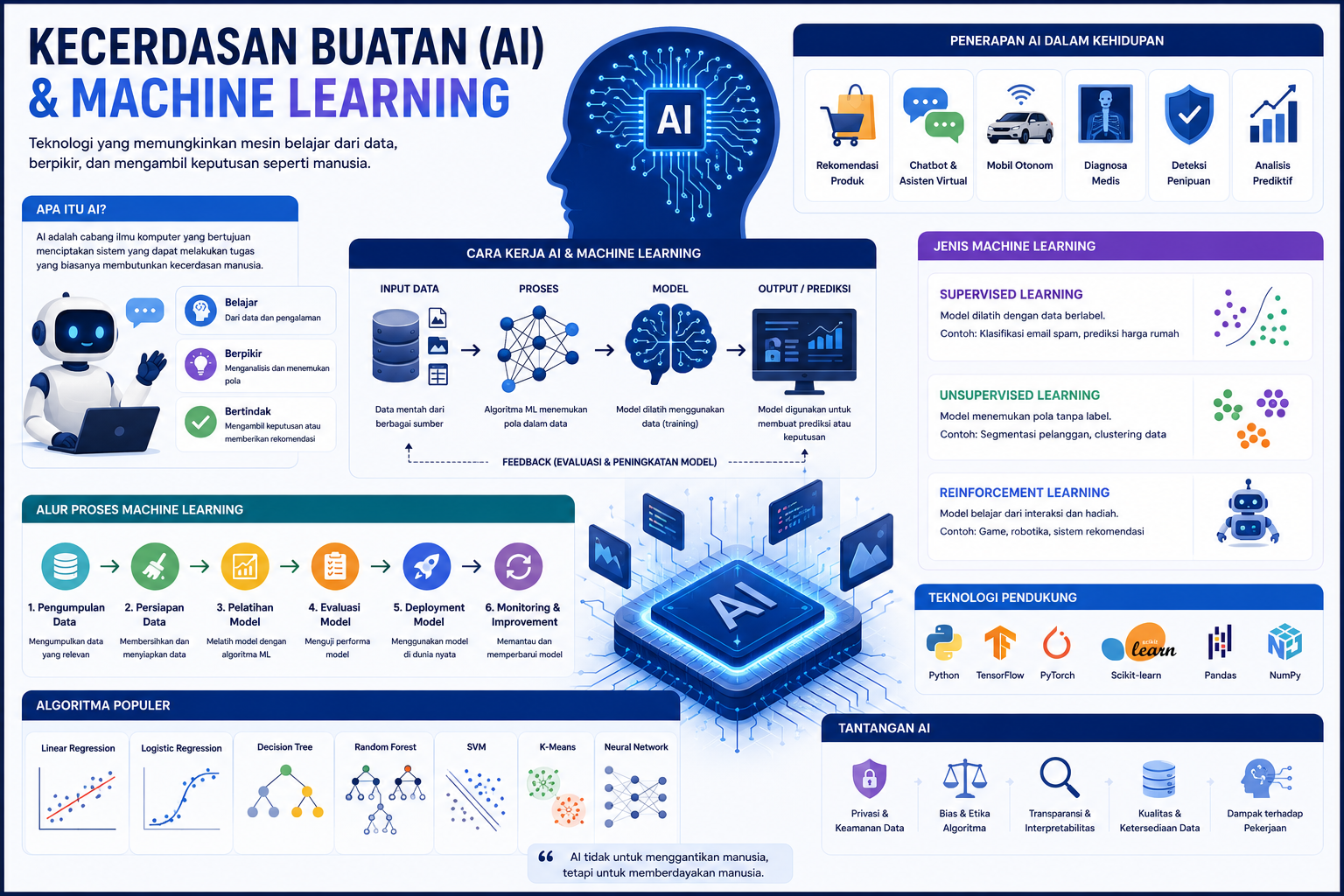
For a deeper look at how AI is reshaping industries, see Unveiling the Pulse of 2026, which explores the intersection of AI and emerging markets.
2. Digital Finance: From E‑Wallets to Decentralized Autonomous Banking
Digital payment ecosystems continue to expand, fueled by the convergence of blockchain, central bank digital currencies (CBDCs), and embedded finance. The illustration of digital wallets is a perfect visual metaphor for the way consumers are moving away from traditional banking toward app‑centric financial services.
In 2026, “decentralized autonomous banks” (DABs) are emerging as a new category. These platforms use smart contracts to automate lending, savings, and investment decisions, reducing the need for human intermediaries. Meanwhile, CBDCs are being rolled out in more jurisdictions, promising faster cross‑border settlements and greater monetary transparency.

To understand how these developments are influencing global trade, check out Technologietrends 2026: Die versteckten Kräfte hinter der Digitalrevolution, which examines the underlying forces driving digital finance.
3. Edge Computing & the Rise of Ultra‑Low Latency
While cloud computing remains the backbone of large‑scale analytics, edge computing is becoming essential for real‑time applications such as autonomous drones, remote surgery, and industrial IoT. The trend is not just about moving compute closer to data sources but also about creating “edge‑first” architectures that prioritize privacy, resilience, and energy efficiency.
Recent breakthroughs in silicon photonics and 6G connectivity are reducing latency to sub‑millisecond levels, enabling new use cases like real‑time language translation for VR meetings and instant predictive maintenance for smart factories.
4. Quantum‑Ready Infrastructure
Quantum computing is still in its early stages, but 2026 sees a surge in “quantum‑ready” hardware. Companies are building hybrid classical‑quantum systems that allow developers to prototype algorithms on classical simulators and then run them on quantum nodes when they become available.
This approach is democratizing access to quantum research, as universities and startups can now experiment with quantum advantage without the need for large, specialized labs. Meanwhile, quantum‑resistant cryptography is being adopted to safeguard data against future threats.
5. Sustainable Tech: Green Computing & Circular Hardware
Environmental concerns are shaping product design. Data centers are turning to renewable energy sources, liquid cooling, and AI‑driven workload optimization to reduce carbon footprints. On the hardware side, manufacturers are adopting modular designs that enable easy upgrades and recycling, extending device lifespans and reducing e‑waste.
In the consumer space, “green tech” apps help users track their digital carbon footprints and suggest more sustainable usage patterns, turning sustainability into a competitive advantage for brands that can prove their low‑impact operations.
6. Metaverse & Digital Twins: From Gaming to Enterprise
The metaverse is no longer a niche gaming concept. Today, it’s a platform for immersive training, remote collaboration, and digital twin simulations. Companies are using digital twins to model entire supply chains, allowing real‑time monitoring of inventory, energy use, and risk factors.
In 2026, the metaverse’s economic layer is evolving. Decentralized marketplaces for digital assets, governed by NFTs and smart contracts, enable creators to monetize their content in a transparent and censorship‑resistant environment.
7. The Human‑Tech Interface: Augmented Reality & Voice Interaction
Augmented reality (AR) headsets are becoming more ergonomic and affordable, making them suitable for workplace training, design visualization, and even everyday navigation. Voice interaction has also matured, with contextual AI assistants that can understand nuanced commands and integrate seamlessly into enterprise workflows.
These interfaces are blurring the line between digital and physical worlds, creating new opportunities for product design, marketing, and customer engagement.
8. Cybersecurity in a Post‑Quantum World
As quantum computers become more powerful, traditional cryptographic algorithms face obsolescence. The industry is moving toward post‑quantum cryptography (PQC) standards, with many governments mandating PQC for critical infrastructure by 2028.
Simultaneously, AI is being employed to detect sophisticated phishing, ransomware, and insider threats in real time, creating a cyber‑defense ecosystem that learns from each attack vector.
9. The Role of Open‑Source Communities
Open‑source projects continue to drive innovation, especially in areas like blockchain, AI frameworks, and operating systems. Community‑driven development accelerates bug fixes, feature rollouts, and cross‑platform compatibility, reducing time‑to‑market for startups and large enterprises alike.
In 2026, “open‑AI” initiatives have gained traction, encouraging collaboration between academia, industry, and governments to create ethical, transparent AI systems.
10. Looking Ahead: The Next Decade of Tech Evolution
While the trends above shape 2026, the next decade promises even more radical shifts. We anticipate the convergence of AI, quantum computing, and edge devices to unlock unprecedented computational power. Meanwhile, sustainability will become a core metric for tech success, driving innovations in low‑power processors and circular supply chains.
For those seeking to stay ahead, it’s essential to monitor not just headline‑making breakthroughs but also the quieter, foundational changes that are quietly reshaping the industry.
As we navigate this rapidly evolving landscape, remember that the most impactful innovations often arise from the intersection of multiple disciplines—AI, finance, sustainability, and human‑centered design. By keeping an eye on these subtle currents, you can anticipate the next wave of technology and position yourself—and your organization—at the forefront of change.