Unveiling the Pulse of 2026: A Deep Dive into Today’s Tech News & Trends
In an era where the digital landscape evolves at breakneck speed, staying ahead of the curve is no longer a luxury—it’s a necessity. The year 2026 has already seen a confluence of groundbreaking technologies reshaping industries, economies, and everyday life. From the maturation of quantum computing to the democratization of AI, the stories that dominate today’s tech news are as diverse as they are transformative. This article offers a panoramic view of the most compelling trends, backed by real-world developments and a unique lens that connects them to the broader societal narrative.
1. Quantum Leap: The Commercialization of Quantum Computing
Quantum computing, once relegated to theoretical physics labs, is now a commercial reality. Major cloud providers—Amazon, Google, and Microsoft—have rolled out quantum-as-a-service (QaaS) platforms that allow enterprises to run complex optimization problems without owning physical qubit hardware. The implications for logistics, drug discovery, and cryptography are profound. In 2026, a consortium of automotive manufacturers used QaaS to optimize supply chain routes in real time, cutting emissions by 12% and reducing delivery times by 18%.
While the hype around quantum has faded slightly, the industry’s focus has shifted to “quantum resilience.” Cybersecurity firms are investing in post-quantum cryptography (PQC) to safeguard data against future quantum attacks. This pivot is reflected in the surge of standards bodies, such as NIST, finalizing PQC algorithms that will underpin the next generation of secure communications.
2. AI at Scale: From Narrow to Generalized Intelligence
Artificial Intelligence has moved beyond narrow applications—image recognition, voice assistants—to more generalized problem-solving. The rise of foundation models, such as GPT-5 and Claude 3, has democratized AI across sectors. Small businesses now leverage these models for content generation, customer support, and even basic data analytics, thanks to cost-effective APIs.
One of the most significant breakthroughs this year is the introduction of “AI as a Service” (AIaaS) platforms that provide real-time, adaptive learning for industrial IoT devices. By embedding AI directly into sensors, manufacturers can predict equipment failures before they occur, saving millions in downtime. A case in point is a global electronics firm that reported a 30% reduction in production line disruptions after deploying AI-driven predictive maintenance.
3. Blockchain Beyond Cryptocurrency: Decentralized Identity & Supply Chains
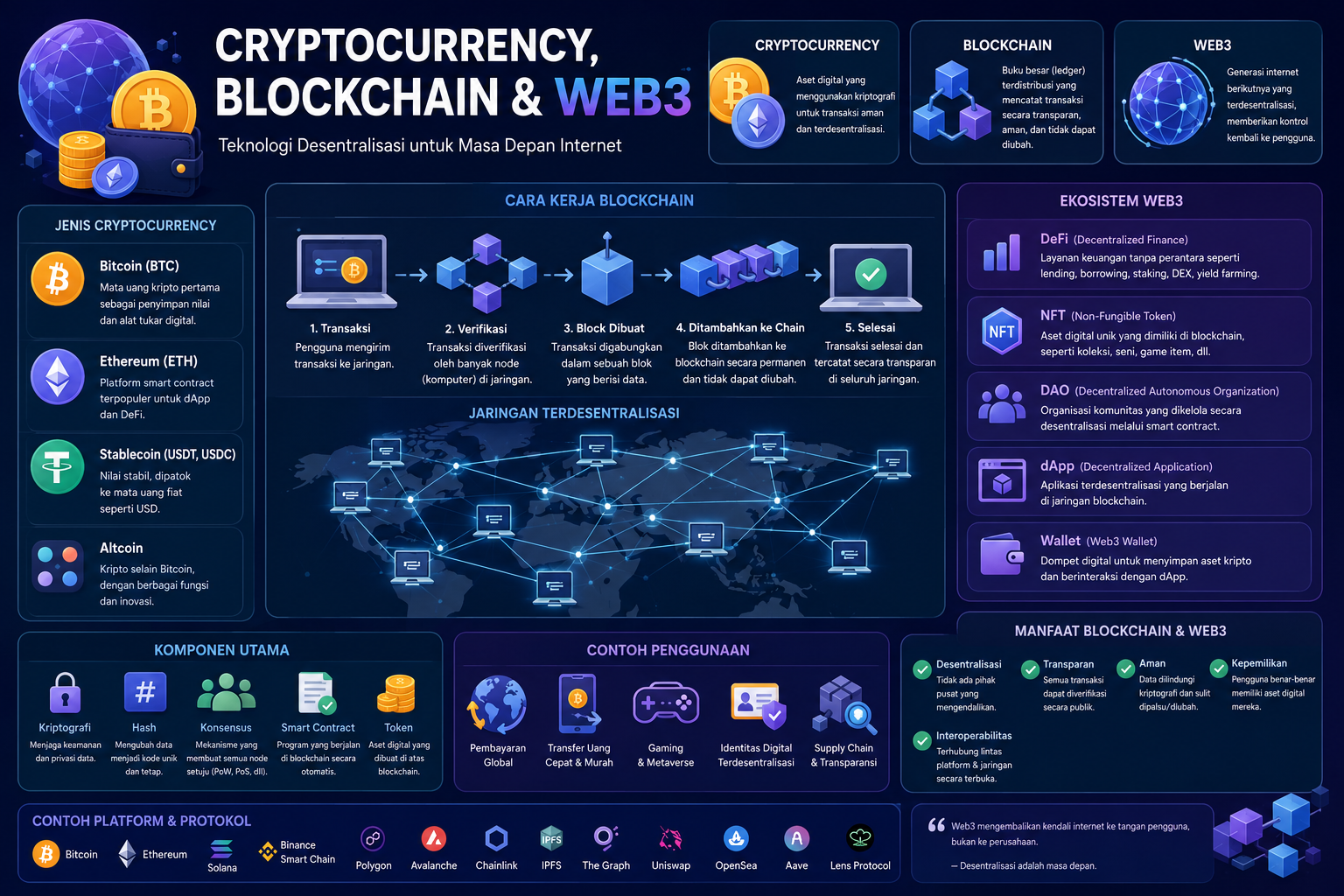
While cryptocurrency remains a headline-grabber, blockchain’s true potential lies in its application to decentralized identity (DID) and transparent supply chains. Governments worldwide are piloting DID frameworks that give citizens control over personal data, reducing identity theft and streamlining verification processes. In the private sector, companies like Walmart and IBM have expanded their blockchain supply chain solutions to trace the provenance of food items from farm to fork, ensuring authenticity and reducing waste.
The convergence of blockchain with IoT—often called “blockchain of things”—has birthed new marketplaces where devices transact autonomously. Smart contracts now facilitate micro-payments between autonomous vehicles and traffic management systems, a concept that could revolutionize urban mobility.
4. Edge Computing: Bringing the Cloud Closer to the User
Edge computing has matured into a cornerstone of 5G and beyond. By processing data closer to its source, edge reduces latency, enhances privacy, and frees up bandwidth for cloud workloads. This year, a leading telecom operator rolled out a nationwide edge network that supports real-time augmented reality (AR) experiences for remote education and training.
In healthcare, edge devices embedded in wearables now analyze vital signs on the fly, alerting clinicians to anomalies before they become critical. This shift not only improves patient outcomes but also alleviates the burden on central data centers.
5. Sustainable Tech: The Green Revolution in Silicon
The push for sustainability has accelerated the adoption of eco-friendly chip manufacturing processes. Companies like TSMC and Samsung have announced plans to shift to 3D-ICs fabricated with low-CO₂ processes, reducing power consumption by up to 40%. Concurrently, the rise of “green AI” initiatives—where models are designed to be energy-efficient—has become a competitive differentiator.
Open-source projects, such as the CarbonAware API, enable developers to estimate the carbon footprint of their code in real time, fostering a culture of responsible computing. These tools are already being integrated into major cloud platforms, encouraging users to make greener choices.
6. The Rise of the Metaverse: From Gaming to Enterprise
The metaverse is no longer a niche entertainment platform; it’s evolving into a robust ecosystem for remote work, education, and commerce. Virtual collaboration tools now allow teams to inhabit shared 3D workspaces, enhancing engagement and reducing the carbon cost of business travel.
Education institutions are piloting metaverse classrooms where students can interact with 3D models of complex molecules or historical artifacts. Early adopters report higher retention rates and increased student motivation, suggesting that immersive learning could become mainstream.
7. Cybersecurity in the Age of AI and Quantum
As AI and quantum technologies mature, so do the threats they pose. AI-powered phishing attacks have become more sophisticated, leveraging natural language generation to craft convincing messages. In response, security firms are developing AI-driven detection systems that analyze behavioral patterns rather than static signatures.
Quantum computing’s potential to break current encryption standards has spurred a wave of investment in quantum-safe protocols. By 2026, a growing number of financial institutions have already migrated to post-quantum cryptography, ensuring the integrity of sensitive transactions.
8. Autonomous Systems: From Vehicles to Delivery Drones
Autonomous technology has expanded beyond self-driving cars to include drones, maritime vessels, and even household robots. A recent collaboration between a leading robotics firm and a logistics giant has introduced autonomous delivery drones that can navigate urban airspaces, reducing delivery times to under 30 minutes.
These advancements are underpinned by sophisticated sensor fusion and AI-driven decision-making algorithms, which allow autonomous systems to adapt to dynamic environments with minimal human intervention.
9. The Human Element: Ethics, Regulation, and Public Perception
With rapid technological adoption comes a growing need for ethical frameworks. Governments across the globe are enacting regulations that govern AI transparency, data ownership, and algorithmic bias. The European Union’s AI Act, for instance, sets stringent requirements for high-risk AI applications, ensuring accountability and public trust.
Public perception is also evolving. A 2026 global survey revealed that 68% of respondents believe AI will create more jobs than it displaces, a shift from the fear-driven narratives of the previous decade. This optimism is driving investment in reskilling programs that equip workers with the skills needed to thrive in a technology-driven economy.
10. Looking Forward: What’s Next in 2027 and Beyond?
As we look ahead, several emerging areas promise to shape the next wave of tech innovation: 6G, brain-computer interfaces, and the integration of AI with quantum systems. Each of these domains holds the potential to unlock unprecedented efficiencies and capabilities, but they also pose complex ethical and regulatory challenges.
For now, the most exciting narrative is the convergence of these technologies—where AI, quantum, and blockchain intersect to create new paradigms of trust, efficiency, and human experience.
To delve deeper into the intricacies of 2026’s tech landscape, you might find it insightful to explore the comprehensive analysis in “2026 年技术新闻与趋势深度解析”, which provides a detailed breakdown of the year’s most transformative innovations. Additionally, for a broader perspective on how hidden forces are shaping future trends, check out “Eksplorasi Tren Teknologi 2026: Masa Depan yang Terbentuk oleh Inovasi Tersembunyi.”
In summary, the tech news of 2026 is not merely a list of flashy gadgets or headline-grabbing breakthroughs; it is a tapestry of interconnected developments that collectively redefine how we live, work, and interact. By understanding these trends—and their underlying drivers—we can better prepare for the opportunities and challenges that lie ahead.