The Invisible Weavers: How Converging Tech Trends are Shaping Our Hyperconnected Future
The Invisible Weavers: How Converging Tech Trends are Shaping Our Hyperconnected Future
The technological landscape is in a perpetual state of flux, constantly evolving, redefining, and reshaping the very fabric of our existence. What often appears as a series of isolated breakthroughs—a new AI model here, a blockchain application there, an immersive VR experience emerging elsewhere—is, in fact, part of a grander, more intricate design. We are witnessing the rise of converging tech trends, invisible weavers meticulously crafting a hyperconnected future, an integrated reality where discrete technologies no longer stand alone but intertwine to create something far more powerful and transformative. This isn't merely about incremental updates; it's about a systemic shift, an architectural redesign of how we live, work, and interact.
To truly grasp the profound impact of these developments, we must look beyond individual innovations and appreciate how they are coalescing into a unified, intelligent, and increasingly autonomous digital ecosystem. This article delves into the current wave of technological convergence, exploring how key trends are not just advancing in parallel but are actively interweaving to create our future reality.
The AI Renaissance and its Ripple Effects
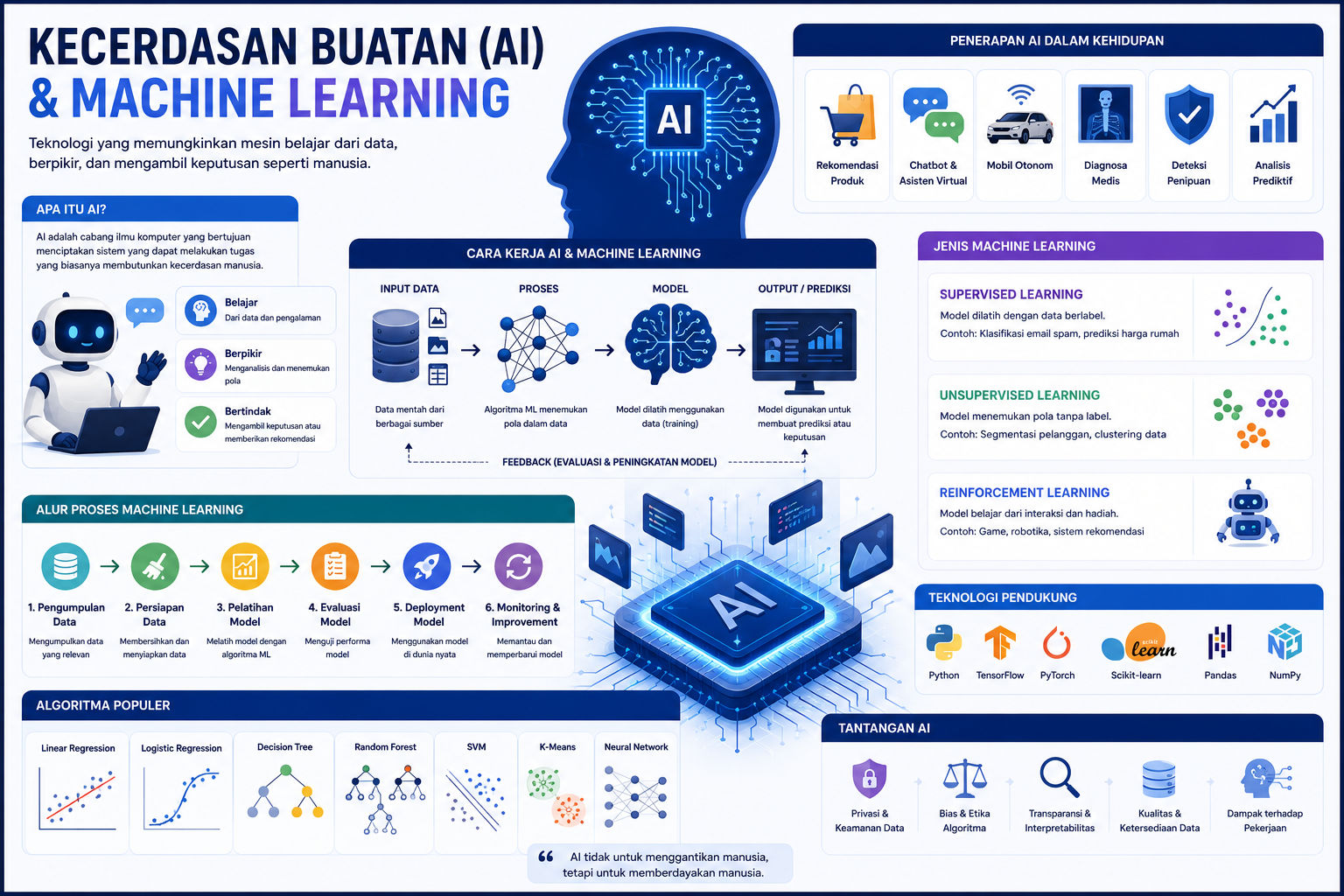
The recent advancements in Artificial Intelligence have moved beyond mere automation; we are at the precipice of an AI renaissance. From generative AI models like GPT-4, Stable Diffusion, and their successors that can create human-like text, images, audio, and even code with astonishing fidelity, to sophisticated machine learning algorithms powering everything from personalized medicine to autonomous vehicles, AI is no longer a futuristic concept but a present-day reality deeply embedded in our daily lives. Large Language Models (LLMs) and their multimodal counterparts are revolutionizing content creation, customer service, and data analysis, making complex tasks more accessible and efficient.
The true power of this renaissance, however, lies in its ability to amplify and accelerate other technological fields. AI acts as a central nervous system, enhancing the capabilities of IoT devices through predictive analytics and smart automation, optimizing data flow in complex cloud computing infrastructures, and even accelerating scientific discovery in fields like material science, drug development, and climate modeling. Machine learning algorithms can sift through vast datasets far faster than humans, identifying patterns and correlations that lead to groundbreaking insights. The pursuit of Artificial General Intelligence (AGI), once a distant dream confined to science fiction, is now a tangible, albeit challenging, goal that fuels research and investment, promising to unlock unprecedented levels of problem-solving capabilities and potentially reshape humanity's relationship with knowledge and innovation.
The Evolving Digital Fabric - Web3, Blockchain & Decentralization
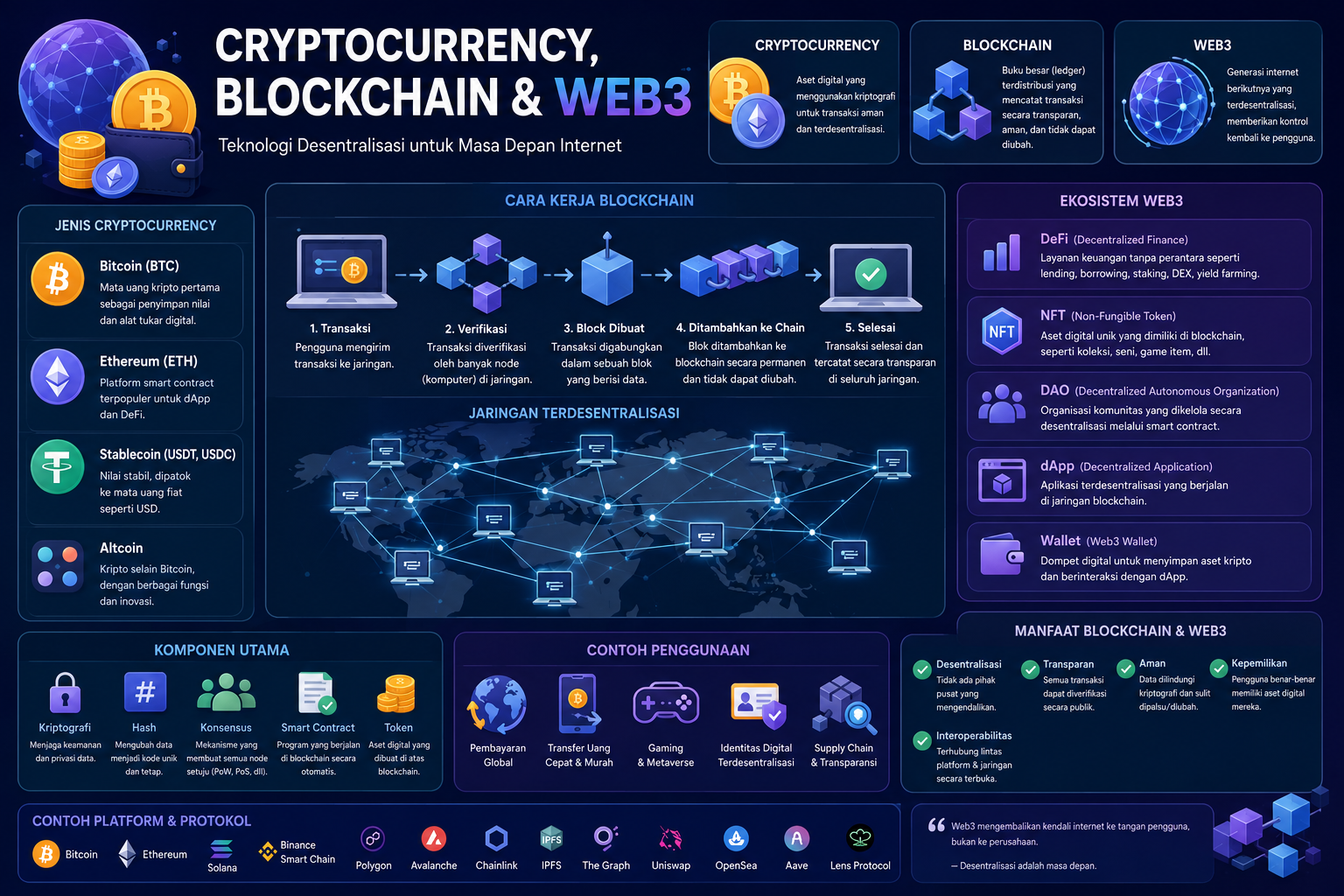
While AI streamlines intelligence, Web3 promises to redefine ownership, trust, and interaction in the digital realm. Moving beyond the centralized structures of Web2, where a few large corporations control vast amounts of data and platforms, Web3 leverages blockchain technology to empower users with greater control over their data, digital assets, and online identities. Cryptocurrencies, Non-Fungible Tokens (NFTs), Decentralized Autonomous Organizations (DAOs), and decentralized applications (dApps) are the foundational building blocks of this new internet paradigm. They champion principles of transparency, immutability, and user-centricity, aiming to create a more equitable and resilient internet.
But the impact of blockchain extends far beyond digital currencies and collectibles. Its immutable and transparent ledger system is finding transformative applications in various industries: in supply chain management, it ensures product authenticity and traceability from origin to consumer; in digital identity verification, it enhances security and privacy by giving individuals sovereign control over their personal data; and even in governance models, it fosters transparency and enables new forms of collective decision-making. The convergence of AI with Web3, for instance, could lead to intelligent, self-executing contracts, AI-driven decentralized autonomous agents, or even more sophisticated metaverse economies, further blurring the lines between smart machines and autonomous digital ecosystems. The very notion of digital ownership, provenance, and interaction is being fundamentally rewritten, promising a future where digital assets are as real and verifiable as physical ones.
Bridging Realities - AR, VR, and the Metaverse
The dream of seamlessly merging the physical and digital worlds is rapidly becoming a reality through Augmented Reality (AR) and Virtual Reality (VR) technologies. VR headsets are becoming more sophisticated, lighter, and accessible, offering fully immersive experiences for gaming, entertainment, training simulations, remote collaboration, and even therapeutic applications. AR, which overlays digital information onto our real-world view via smartphones or increasingly advanced smart glasses, is transforming fields from retail (virtual try-ons) and education (interactive learning) to manufacturing (guided assembly) and healthcare (surgical assistance). These technologies are not just about entertainment; they are powerful tools for enhancing productivity, communication, and learning.
These immersive technologies are foundational to the concept of the Metaverse—a persistent, interconnected virtual world where users can interact with each other, digital objects, and AI-powered entities in a shared, often 3D, space. While still in its nascent stages and facing significant technical and ethical hurdles, the Metaverse represents a significant convergence point for AI (for intelligent avatars, dynamic environments, and content generation), Web3 (for digital ownership, identity, and economy within virtual worlds), and advanced computing power. It promises a new frontier for social interaction, commerce, creative expression, and even professional work, potentially reshaping our understanding of presence, experience, and community.
The Intelligent Edge - IoT, 5G/6G & Ubiquitous Computing
The proliferation of the Internet of Things (IoT) has brought intelligence to an ever-growing array of everyday objects and environments, from smart homes and connected vehicles to industrial sensors, smart city infrastructure, and wearable health trackers. Billions of devices are now generating vast amounts of data at the "edge" of networks—that is, closer to where the data is created. This explosion of real-time data necessitates faster, more reliable connectivity, which is where 5G and the upcoming 6G technologies play a critical role. These next-generation wireless networks provide ultra-low latency, massive bandwidth, and enhanced reliability, enabling seamless real-time data processing and communication essential for truly autonomous systems, complex smart cities, and critical applications like remote surgery and instant factory automation.
Edge computing, the practice of processing data closer to its source rather than sending it all to a centralized cloud, complements this by reducing latency, conserving bandwidth, and enhancing data privacy and security. This convergence of IoT, advanced connectivity, and edge computing creates a ubiquitous computing environment where intelligence is distributed, responsive, and always-on. Devices can make faster, more informed decisions locally, contributing to an environment that silently optimizes our surroundings, streamlines our workflows, and anticipates our needs, making our physical world increasingly interactive and intelligent.
Beyond the Horizon - Quantum Computing, Biotech & Sustainable Tech
While the previously mentioned trends are rapidly maturing and converging, other nascent but immensely powerful technologies are poised to become the next "invisible weavers" of our future. Quantum computing, though still largely in research labs and accessible primarily to specialists, holds the potential to solve problems currently intractable for even the most powerful classical supercomputers. Its implications are staggering, ranging from breaking modern encryption and revolutionizing material science to accelerating drug discovery and optimizing complex logistics. It represents a paradigm shift in computation that will eventually integrate with and enhance AI and data processing capabilities.
Biotechnology, fueled by AI and advanced genomics (like CRISPR gene editing), is leading to unprecedented breakthroughs in personalized medicine, disease prevention, and synthetic biology, promising to extend human health and lifespan, and even address global challenges like food security. Simultaneously, there's a growing emphasis on sustainable technology across all sectors. This involves integrating renewable energy solutions, circular economy principles, and AI-driven efficiency into every stage of technological development and deployment. These emerging fields, when they eventually converge with the mainstream digital ecosystem, will add entirely new dimensions to our future reality, pushing the boundaries of what is possible for humanity and the planet.
The Ethical Crossroads & Societal Impact
As these powerful technologies converge and accelerate, they inevitably present profound ethical, societal, and regulatory challenges. The pace of change often outstrips our ability to establish robust frameworks for governance and oversight. Questions of data privacy, algorithmic bias, the exacerbation of the digital divide, cybersecurity vulnerabilities, the future of work, and the very definition of human identity in an increasingly augmented and automated world become paramount. The unseen architects of our future are not just technological; they are also societal and ethical. Ensuring equitable access, responsible development, and thoughtful governance is crucial to harnessing the immense potential of these trends while mitigating their inherent risks. The future isn't predetermined; it's a co-creation, demanding ongoing dialogue and collaboration between technologists, policymakers, ethicists, and the global community to navigate this complex landscape responsibly.
Conclusion
The current era of technological evolution is less about discrete inventions and more about a symphony of interconnected innovations. AI provides the intelligence, Web3 offers the framework of trust and ownership, AR/VR creates immersive experiences, and IoT/5G/6G provide the ubiquitous connectivity. Each trend, powerful on its own, becomes exponentially more transformative when intertwined with others. Together, these converging tech trends are not just shaping industries; they are fundamentally redesigning the human experience, acting as invisible weavers of our future reality. Understanding their interdependencies, preparing for their collective impact, and proactively addressing the ethical considerations is no longer an academic exercise but a necessity for individuals, businesses, and societies striving to thrive in the hyperconnected and increasingly intelligent world they are meticulously constructing.