The Invisible Weavers: How Converging Tech Trends are Reshaping Our Collective Future
In an era defined by rapid innovation, technology news and trends often capture our attention as isolated phenomena – a new AI breakthrough here, a blockchain development there, a fresh take on IoT. However, a closer look reveals a far more profound narrative: these seemingly disparate advancements are not merely coexisting; they are actively converging, creating a complex, interwoven technological ecosystem that is fundamentally reshaping our collective future. This isn't just about individual technologies evolving; it's about their synergistic interaction, acting as invisible weavers crafting the very fabric of our reality, society, and human experience.
The unique perspective we must adopt to truly grasp the current technological landscape is one of deep interconnectedness. We are witnessing the birth of a hyperconnected future where the lines between physical and digital, biological and artificial, are increasingly blurred. Understanding this convergence is key to navigating the opportunities and challenges that lie ahead.
The Nexus of AI and Everything Else: The Cognitive Core
Artificial Intelligence (AI), particularly in its generative forms, is no longer just a trend; it has become the cognitive core enabling and accelerating almost every other technological advancement. From natural language processing transforming communication to sophisticated algorithms optimizing supply chains, AI's omnipresence is undeniable.
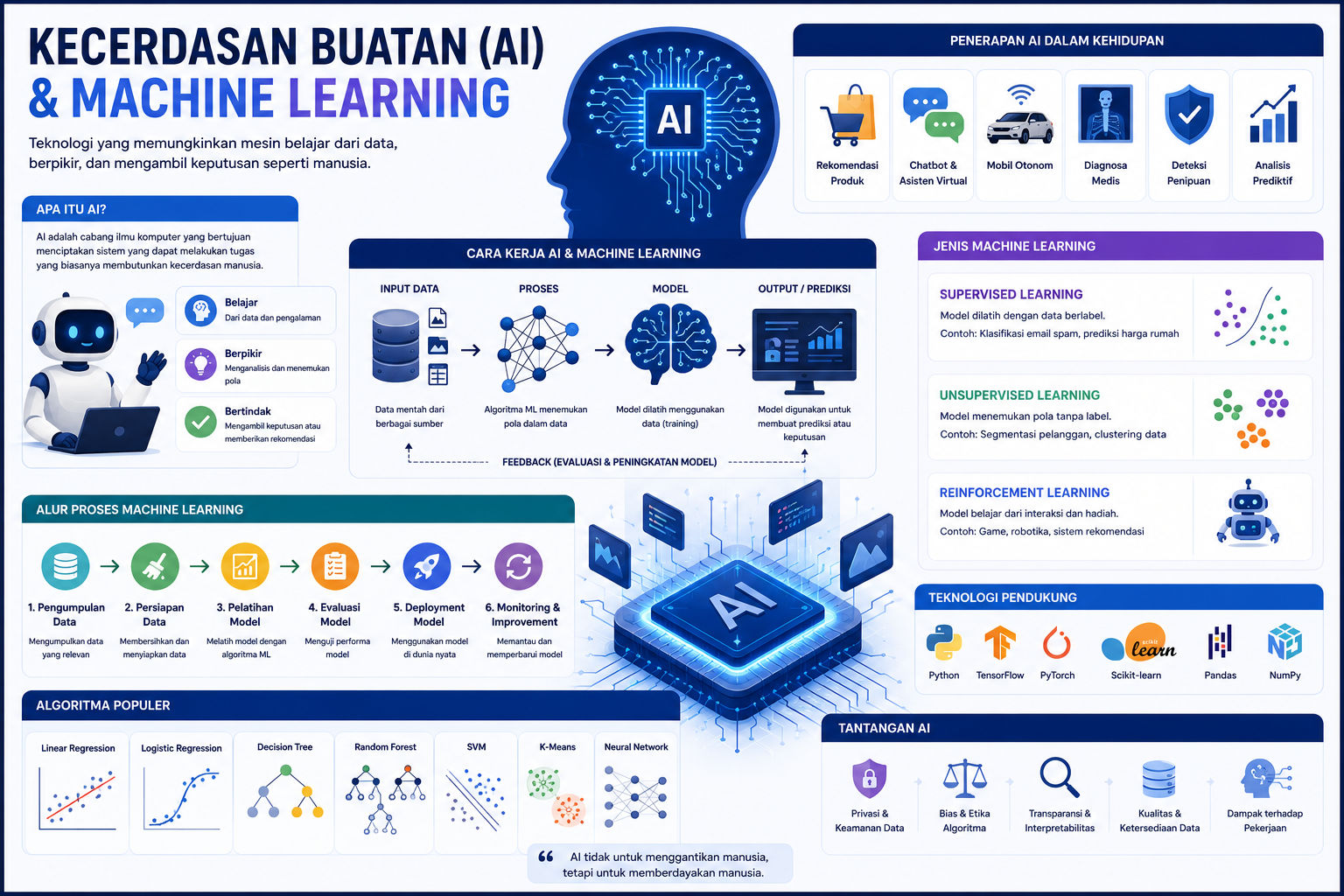
- AI in Healthcare: AI-powered diagnostics are enhancing accuracy and speed, while machine learning models are accelerating drug discovery and personalizing treatment plans. This convergence with biotechnology promises a new era of proactive and precision medicine.
- AI in Education: Adaptive learning platforms, AI tutors, and content generation tools are revolutionizing how knowledge is created, disseminated, and consumed, fostering more personalized and accessible learning experiences.
- AI in Creative Industries: Generative AI tools are empowering artists, designers, and writers, blurring the lines between human and machine creativity and sparking debates about originality and intellectual property.
- AI in Robotics and Automation: The integration of advanced AI with robotics is leading to more agile, intelligent, and autonomous systems capable of performing complex tasks in manufacturing, logistics, and even service industries.
The ethical implications of such pervasive AI are paramount, necessitating robust frameworks for bias detection, transparency, accountability, and the responsible deployment of these powerful tools. Its convergence with other fields amplifies both its potential and its risks.
Beyond the Screen: The Tangible Digital and the Internet of Everything
The Internet of Things (IoT) has steadily expanded its footprint, transitioning from merely connecting devices to creating an "Internet of Everything" (IoE) – a vast network where people, processes, data, and things are interconnected. This tangible digital realm is bringing intelligence into our physical environments.
- Smart Cities and Infrastructure: Sensors embedded in urban environments monitor everything from traffic flow and air quality to waste management, optimizing city services and enhancing livability. Digital twins, virtual replicas of physical assets, are becoming critical for urban planning and maintenance.
- Connected Homes and Workplaces: Smart appliances, environmental controls, and security systems are creating intuitive and responsive living and working spaces, driven by AI and predictive analytics.
- Industrial IoT (IIoT): In factories and industrial settings, connected sensors and analytics optimize machinery performance, predict maintenance needs, and enhance worker safety, leading to unprecedented efficiencies and productivity gains.
- Edge Computing: The proliferation of IoT devices demands processing power closer to the data source. Edge computing, a distributed computing paradigm, is essential for real-time decision-making, reducing latency, and conserving bandwidth, thereby enabling the seamless operation of the IoE.
This convergence of physical objects with digital intelligence is transforming how we interact with our surroundings, promising greater convenience, efficiency, and sustainability, but also raising concerns about data privacy and cybersecurity.
Redefining Ownership and Interaction: Web3 and Blockchain's Maturation
While often associated with speculative cryptocurrencies, Web3 and blockchain technology are maturing beyond their initial hype, offering foundational shifts in how we manage data, establish trust, and define ownership in the digital realm. The focus is moving from mere financial assets to decentralized utility and applications.
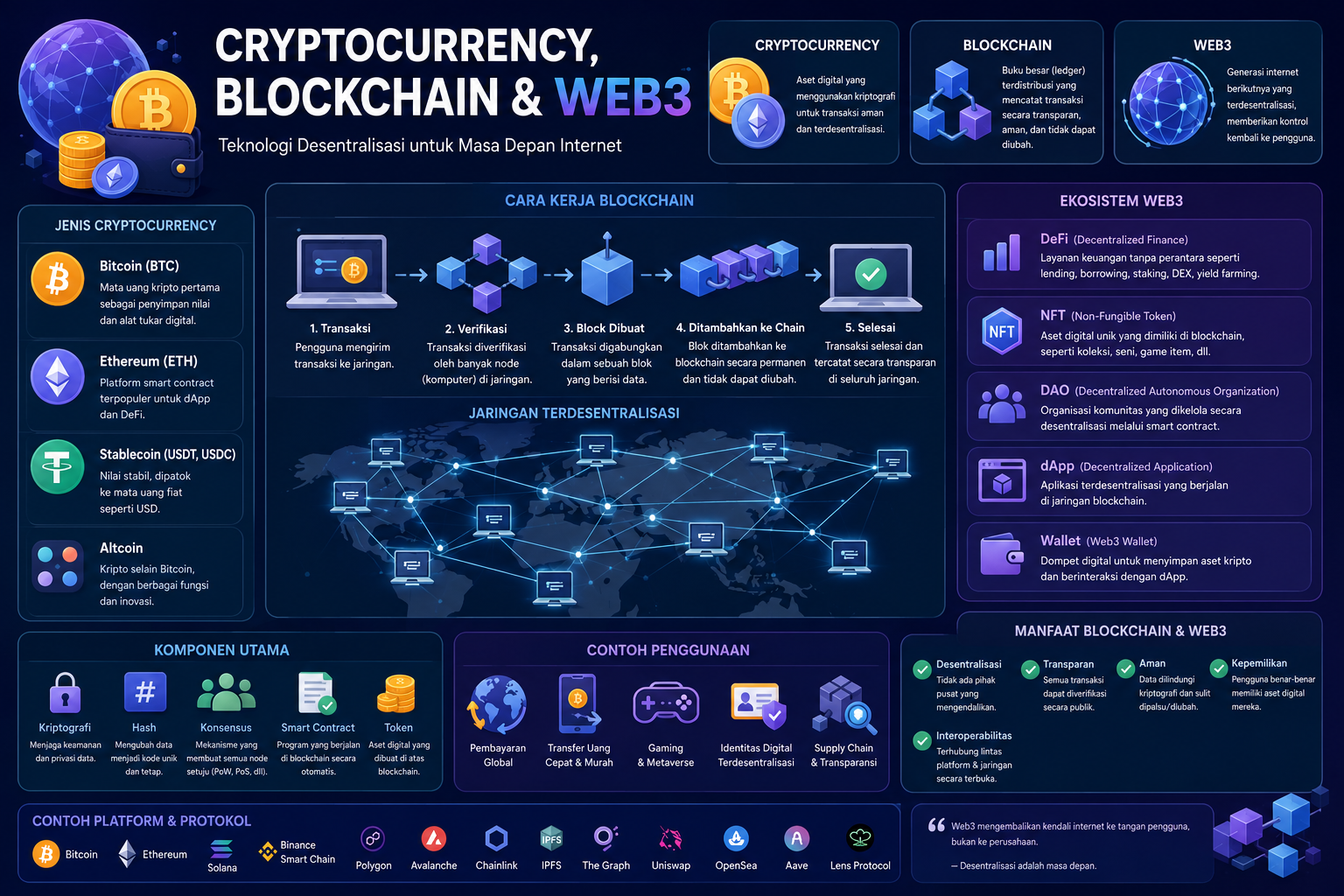
- Decentralized Applications (dApps): Built on blockchain networks, dApps offer transparent, censorship-resistant services in areas like finance (DeFi), gaming, and social media, empowering users with greater control over their data and interactions.
- Digital Identity and Self-Sovereign Identity (SSI): Blockchain is enabling new paradigms for managing digital identity, allowing individuals to control their personal data and grant access selectively, fostering greater privacy and security online.
- Non-Fungible Tokens (NFTs) beyond Art: While initially popularized by digital art, NFTs are evolving to represent ownership of physical assets, intellectual property, tickets, and even academic credentials, transforming how value and rights are transferred in the digital and physical worlds.
- The Metaverse as a Convergence Point: The concept of the Metaverse, a persistent, interconnected virtual world, is a potent example of technological convergence. It will likely blend elements of virtual reality (VR), augmented reality (AR), AI, blockchain (for ownership and economics), and high-speed networking to create immersive digital experiences.
The promise of Web3 lies in its potential to create a more equitable and democratic internet, where control is distributed rather than centralized. Its convergence with AI and immersive technologies will dictate the shape of future digital interactions and economies, creating new realities through converging tech trends.
Biotechnology Meets Digital: The Fusion of Life and Code
Perhaps one of the most transformative convergences is occurring at the intersection of biotechnology and digital technology. Advances in genomics, synthetic biology, and bioengineering are being amplified by computational power and AI, leading to unprecedented control over biological systems.
- Personalized Medicine and Gene Editing: Technologies like CRISPR are enabling precise gene editing, offering hope for curing genetic diseases. Coupled with AI-driven analysis of genomic data, this paves the way for highly personalized medicine tailored to an individual's unique biological makeup.
- Bio-Integrated Sensors and Wearables: Wearable technology is moving beyond fitness tracking to include advanced biosensors that monitor vital signs, predict health issues, and even administer medication, creating a continuous feedback loop between our biology and digital systems.
- Brain-Computer Interfaces (BCIs): Though still in early stages, BCIs promise to bridge the gap between human thought and digital control, offering potential for treating neurological disorders, enhancing human capabilities, and revolutionizing how we interact with technology.
- Synthetic Biology and Biomanufacturing: Designing new biological systems and organisms for specific purposes, such as producing sustainable materials, clean energy, or advanced therapeutics, is becoming possible through the convergence of bioinformatics, AI, and laboratory automation.
This "bio-digital" convergence carries immense potential to solve some of humanity's greatest challenges, from health to environmental sustainability. However, it also brings profound ethical, societal, and existential questions that demand careful consideration and public discourse.
Sustainable Tech: Innovation with a Conscience
As the urgency of climate change and environmental degradation intensifies, the role of technology in fostering sustainability is becoming a critical trend. This isn't just about 'green' tech; it's about integrating sustainable principles across all technological innovation.
- Green AI: Developing AI models that are more energy-efficient and designing sustainable data centers powered by renewable energy are crucial steps towards reducing technology's carbon footprint.
- Circular Economy through Tech: Digital platforms and IoT are facilitating circular economy models by tracking product lifecycles, enabling recycling, repair, and reuse, and optimizing resource allocation.
- Renewable Energy Advancements: AI and machine learning are optimizing smart grids, predicting energy demand, and enhancing the efficiency of renewable energy sources like solar and wind power.
- Environmental Monitoring and Conservation: Drones, satellite imagery, and AI-powered analytics are providing unprecedented capabilities for monitoring ecosystems, tracking biodiversity, and combating deforestation and pollution.
The convergence of technological innovation with environmental imperatives is not just a trend but a necessity, driving a new wave of research and development focused on creating a resilient and sustainable future.
The Human Element in the Hyperconnected World
Amidst this whirlwind of technological convergence, the human element remains central. The ultimate impact of these trends will be on human lives, societies, and our very definition of humanity. Therefore, considerations around digital well-being, ethics, and inclusivity are paramount.
- Digital Well-being: As technology becomes more integrated into every aspect of life, managing screen time, combating digital addiction, and fostering healthy online habits are increasingly important.
- Digital Divide and Inclusivity: Ensuring equitable access to technology and digital literacy remains a critical challenge. The benefits of convergence must reach all segments of society, not just the privileged few.
- Skills Evolution and Lifelong Learning: The rapidly changing technological landscape necessitates continuous learning and adaptation of skill sets, emphasizing critical thinking, creativity, and problem-solving alongside technical proficiency.
- Human-Centric Design: Prioritizing user experience, accessibility, and ethical considerations in the design and deployment of new technologies is essential to ensure they serve human needs and values.
The Call for Foresight and Governance
The accelerating pace and converging nature of technological trends demand proactive foresight and robust governance frameworks. Waiting for problems to emerge before responding will be insufficient in a world where technology can scale globally in an instant.
- Ethical AI and Regulation: Developing international standards and regulations for AI that address bias, privacy, security, and accountability is crucial to guide its responsible development.
- Cybersecurity in a Hyperconnected World: The expanded attack surface created by the IoE and increasing digital integration necessitates advanced cybersecurity measures and international cooperation.
- Global Collaboration: Addressing the complex challenges and opportunities presented by converging technologies requires unprecedented global collaboration among governments, industries, academia, and civil society.
Conclusion: Crafting a Future, Not Just Witnessing It
The latest technology news and trends reveal a landscape far more intricate and interdependent than ever before. We are not just observing individual innovations; we are witnessing the profound gelombang konvergensi shaping our entire reality. Artificial intelligence acts as the intelligent thread, IoT provides the sensory network, Web3 offers the decentralized framework, and biotechnology extends our mastery over life itself. These invisible weavers are meticulously crafting a future that is simultaneously full of promise and fraught with peril.
To truly understand this era, we must move beyond simply identifying trends to comprehending their synergies. This holistic perspective empowers us to not just react to the future, but to actively participate in its creation – ensuring that the technological ecosystem we are building is one that fosters human flourishing, equity, and sustainability for generations to come. The challenge and opportunity before us is to guide these converging forces with wisdom, foresight, and a deep commitment to human values.