Beyond the Code: Unpacking Technology's Human Impact in 2026
The relentless march of technology often presents itself as a parade of flashy gadgets, faster processors, and increasingly intelligent algorithms. Yet, beneath the surface of every groundbreaking innovation lies a profound ripple effect on humanity—our daily lives, our ethics, our societies, and even our very understanding of what it means to be human. In 2026, as we stand at the precipice of unprecedented technological shifts, it's crucial to look beyond the hype and delve into the human impact, seeking not just what technology can do, but what it should do, and how it reshapes our collective future.
This article aims to explore the current technological news and trends through a unique, human-centric lens. We're moving past the specifications and the buzzwords to examine the deeper implications, the ethical dilemmas, the societal transformations, and the potential for both unprecedented progress and unforeseen challenges. From artificial intelligence that can mimic human creativity to biotechnologies that promise to redefine life itself, understanding these currents requires a perspective rooted firmly in human values and long-term societal well-being.
The AI Revolution: More Than Just Smart Algorithms
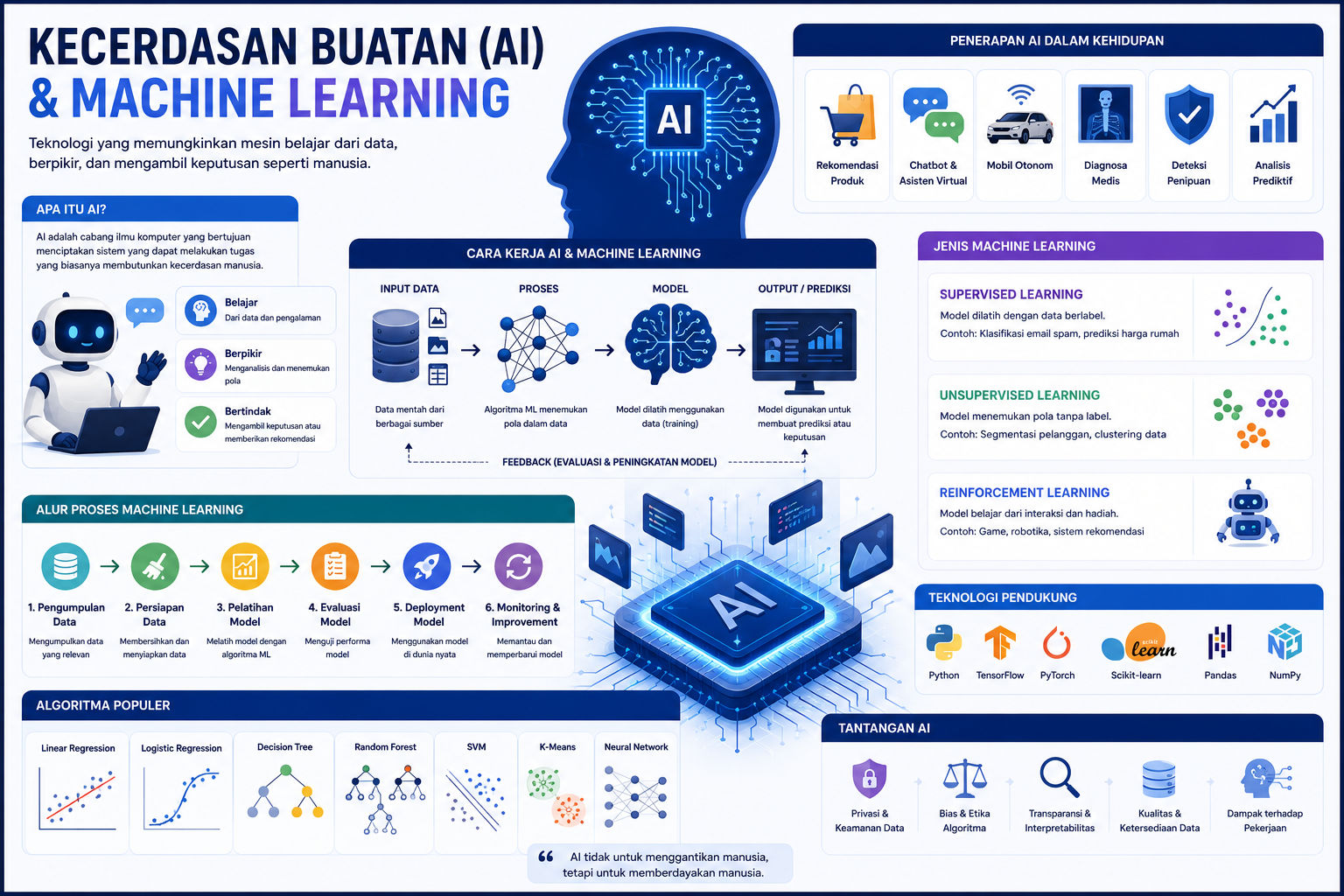
Artificial Intelligence (AI) continues to dominate headlines, transitioning from niche academic discussions to mainstream application. Generative AI, capable of creating text, images, and even code with astonishing fidelity, has moved from a novelty to a powerful tool in various industries. But what does this mean for human creativity? For the very definition of original work? As AI systems become more sophisticated, the line between human and machine output blurs, raising critical questions about authorship, intellectual property, and the future of creative professions.
Beyond creativity, the advent of AI is reshaping industries from healthcare to finance. Diagnostic AI systems are improving accuracy and speed, personalized medicine powered by machine learning promises tailored treatments, and AI-driven automation is optimizing supply chains and manufacturing. However, this efficiency comes with a significant societal cost: job displacement. As routine tasks become automated, societies grapple with the challenge of reskilling workforces, ensuring economic stability, and defining new roles for human talent in an AI-augmented world.
Furthermore, the ethical dimension of AI is becoming increasingly complex. Bias embedded in training data can lead to discriminatory outcomes in areas like hiring, lending, or even criminal justice. The lack of transparency in "black box" AI models makes it difficult to understand their decision-making processes, leading to calls for explainable AI. The debate around the potential for Artificial General Intelligence (AGI)—AI capable of understanding and learning any intellectual task that a human being can—intensifies, pushing conversations towards long-term safety, control, and the very existential risks such advancements might pose. It is imperative that we consider these implications seriously, focusing on understanding the future of technology from a human-centric lens rather than merely celebrating its capabilities.
Quantum Computing: A Glimmer of Unimaginable Power
While still largely in its nascent stages, quantum computing represents a paradigm shift with the potential to solve problems currently intractable for even the most powerful classical supercomputers. Unlike classical bits that are either 0 or 1, qubits can be both simultaneously, allowing for exponentially greater processing power. This capability promises breakthroughs in drug discovery, material science, financial modeling, and cryptographic security.
The societal implications are vast. Imagine designing new catalysts for sustainable energy, developing personalized medicines with unprecedented precision, or breaking encryption codes that protect sensitive global data. However, the very power that promises progress also brings challenges. Quantum supremacy could render current encryption methods obsolete, necessitating a global overhaul of cybersecurity infrastructure. The accessibility of such powerful computation could also exacerbate existing inequalities if not managed carefully. While practical, scalable quantum computers are still some years away, the groundwork for ethical considerations, regulatory frameworks, and societal preparedness must begin now to harness its potential responsibly.
Extended Reality (XR): Redefining Human Interaction and Perception
Extended Reality (XR), encompassing Virtual Reality (VR), Augmented Reality (AR), and Mixed Reality (MR), is evolving rapidly, moving beyond entertainment into critical applications. VR is transforming training simulations for professions ranging from surgeons to pilots, offering immersive, risk-free learning environments. AR overlays digital information onto the real world, enhancing everything from manufacturing assembly lines with interactive instructions to enhancing surgical precision and retail experiences.
The concept of the metaverse, a persistent, shared, virtual 3D space, continues to be a subject of intense development and debate. While early iterations have faced skepticism, the underlying technologies are slowly shaping how we work, socialize, and consume content. The human impact here is profound: How will prolonged immersion in virtual environments affect mental health, social skills, and our perception of reality? What are the implications for data privacy when our every interaction and gaze within these spaces is trackable? XR offers incredible opportunities for connection and experience, but also presents risks of digital addiction, social fragmentation, and the erosion of real-world interactions if not approached with balance and ethical design.
Biotechnology and Gene Editing: Reshaping Life Itself
Advancements in biotechnology, particularly gene-editing technologies like CRISPR, are propelling us into an era where we can not only understand but also modify the very building blocks of life. Personalized medicine, where treatments are tailored to an individual's genetic makeup, is becoming a reality, offering hope for curing previously incurable diseases. Gene therapies are showing promise in correcting genetic defects responsible for conditions like cystic fibrosis or sickle cell anemia.
However, this power comes with immense ethical responsibilities. The ability to edit human embryos raises profound questions about designer babies, genetic inequality, and the potential for unintended long-term consequences on the human gene pool. Who decides which traits are desirable? How do we ensure equitable access to these life-altering technologies? The intersection of biotechnology and AI, particularly in drug discovery and disease prediction, further amplifies both the potential for good and the complexity of ethical governance. This field exemplifies how technology is not just about innovation, but about profound human transformation driven by technological advancements, demanding careful ethical stewardship.
Sustainable Tech and Green Innovations: Innovating for a Livable Future
Amidst all the futuristic visions, a critical trend gaining momentum is the integration of technology with sustainability goals. Green tech is no longer a niche; it's a necessity. Innovations in renewable energy, such as more efficient solar panels, advanced battery storage, and offshore wind technologies, are scaling rapidly. AI is being deployed to optimize energy grids, predict climate patterns, and manage waste more effectively. Materials science is developing biodegradable plastics, carbon capture technologies, and sustainable manufacturing processes.
The human impact here is direct and existential. These technologies offer a pathway to mitigate climate change, secure clean resources, and improve public health. However, the adoption of green tech is often hampered by economic factors, political will, and the need for significant infrastructure investment. Ensuring that these sustainable solutions are accessible globally, especially to developing nations, is a crucial challenge. The trend towards sustainable technology underscores a growing awareness that technological progress must be aligned with planetary well-being and equitable access for all of humanity.
Cybersecurity and Data Ethics: Guardians of the Digital Realm
As our lives become increasingly digitized, the importance of cybersecurity and robust data ethics cannot be overstated. With every new connected device and online service, the attack surface for malicious actors expands. Data breaches are increasingly common, compromising personal information, financial security, and national interests. The rise of sophisticated cyber warfare tactics poses significant geopolitical threats.
The human impact of cybersecurity failures ranges from financial ruin and identity theft for individuals to large-scale disruption of critical infrastructure and erosion of public trust in digital systems. Consequently, trends in cybersecurity focus on AI-driven threat detection, quantum-resistant cryptography, and a greater emphasis on privacy-preserving technologies. Alongside technological solutions, there's a growing demand for stronger regulatory frameworks like GDPR and CCPA, which empower individuals with greater control over their data. The ethical handling of personal data, transparency in data collection, and robust protective measures are fundamental to maintaining a secure and trustworthy digital society.
The Interconnected Web: A Holistic View of Our Future
What truly defines the current technological landscape is not the isolated advancement of individual fields, but their intricate interconnectedness. AI enhances biotech research, quantum computing could revolutionize cybersecurity, and XR platforms will be powered by vast datasets requiring robust ethical guidelines. These trends converge to create a complex, dynamic future that is both exhilarating and daunting.
The human element remains central to navigating this complexity. Our choices today—in designing algorithms, formulating policies, investing in research, and demanding ethical accountability—will shape the world of tomorrow. The responsibility falls on innovators, policymakers, educators, and every global citizen to engage thoughtfully with these trends, ensuring that technology serves humanity's best interests, fosters inclusivity, and builds a sustainable, equitable future.
Conclusion: Steering Towards a Human-Centric Tomorrow
In 2026, the narrative around technology must shift from mere fascination with innovation to a deeper, more critical examination of its human impact. The latest news and trends in AI, quantum computing, extended reality, biotechnology, sustainable tech, and cybersecurity are not just stories of scientific progress; they are chapters in the ongoing story of human evolution. By adopting a human-centric perspective, we can anticipate challenges, mitigate risks, and steer technological development towards outcomes that enhance human dignity, foster societal well-being, and ensure a flourishing future for all. The tools are powerful, but the direction—and the ultimate purpose—must always be guided by humanity's enduring values.