Beyond the Code: Unpacking the Human and Societal Shifts Driven by Current Tech Trends
In an era defined by rapid technological advancements, it's easy to get lost in the jargon of AI, blockchain, and the metaverse. We often marvel at the innovations themselves – the faster processors, the smarter algorithms, the more immersive virtual worlds. Yet, to truly understand the current technology news and trends, we must look beyond the gleaming surface of invention and delve into the profound human and societal transformations they catalyze. This article aims to explore these seismic shifts, examining how today's tech trends are not merely tools but architects reshaping our daily lives, our economies, our ethics, and ultimately, our very definition of what it means to be human.
The narrative of technological progress is no longer just about efficiency or convenience; it's about existential questions, new modes of interaction, and reimagined social structures. From artificial intelligence that crafts art to decentralized networks promising data sovereignty, the currents of innovation are pulling us into uncharted waters. Our focus here will be on understanding these shifts, recognizing that the true impact of technology lies in its interaction with human nature and societal frameworks.
The Cognitive Revolution: AI's Unfolding Impact on Mind and Work
Artificial Intelligence (AI), particularly generative AI models, stands at the forefront of the current technological wave. Tools capable of producing text, images, and even code with remarkable sophistication are transforming industries and challenging long-held notions of creativity and intellectual labor. The implications are staggering, extending far beyond automation.
On one hand, AI promises unprecedented leaps in productivity, problem-solving, and personalization. From medical diagnostics to climate modeling, AI augments human capabilities, enabling us to tackle complex challenges with greater precision and speed. Personal assistants grow more intuitive, educational tools adapt to individual learning styles, and scientific discovery accelerates through AI-driven data analysis. The dream of a world where tedious tasks are automated, freeing humanity for higher-order pursuits, seems closer than ever.
However, the rapid proliferation of AI also brings significant societal upheaval. The specter of job displacement, particularly in white-collar sectors previously thought immune, looms large. While new jobs will undoubtedly emerge, the transition period and the necessity for massive reskilling initiatives present formidable challenges. Furthermore, questions of algorithmic bias, accountability for AI decisions, and the ethical use of deepfake technology demand urgent attention. As AI becomes more integrated into decision-making processes, ensuring fairness, transparency, and human oversight is paramount. The very fabric of truth and trust in information is being tested, requiring new literacies and critical thinking skills from every individual.
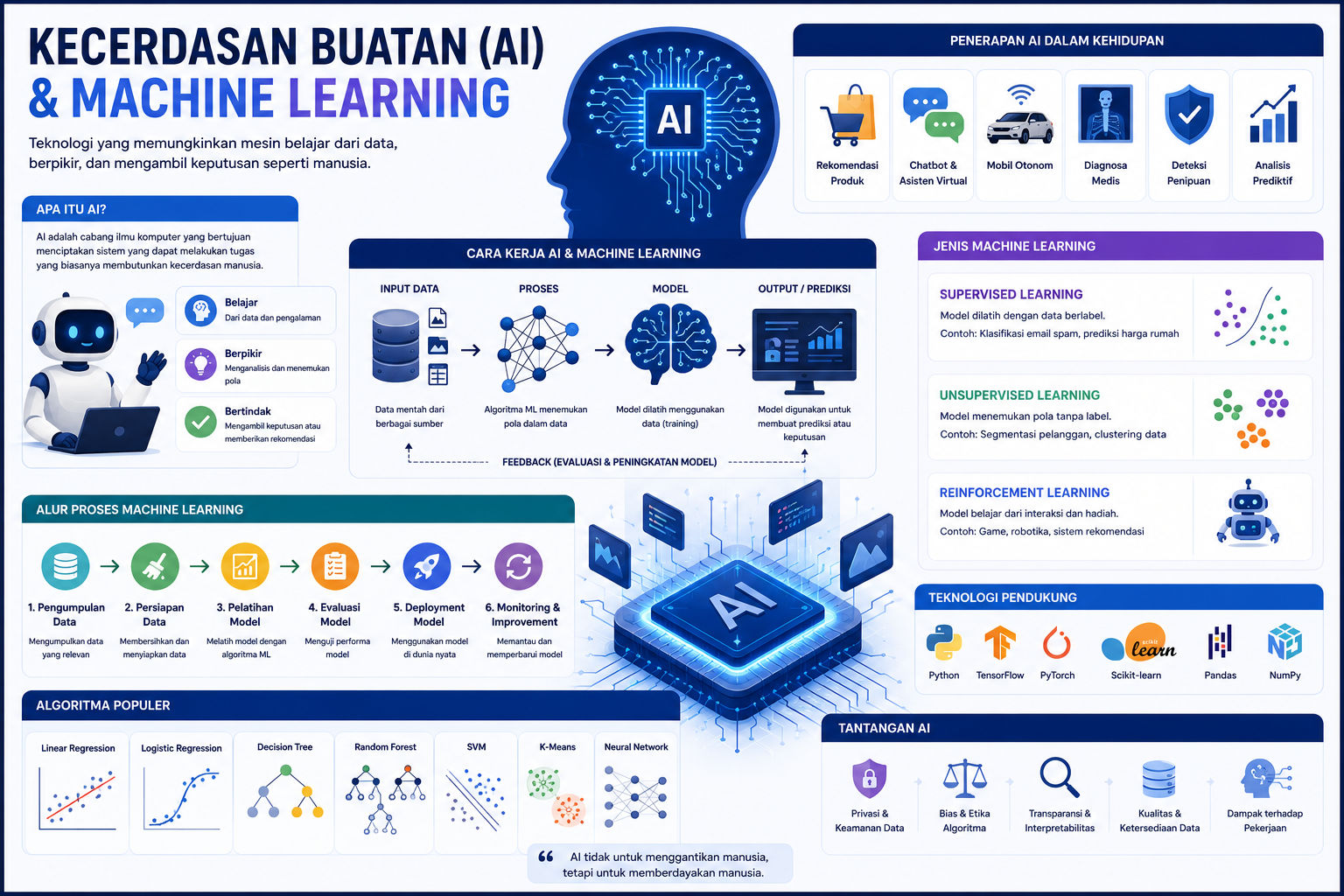
The rise of AI also pushes us to reconsider what truly constitutes human intelligence and creativity. If machines can write symphonies and paint masterpieces, what then becomes the unique domain of human genius? This introspection forces us to value not just the output, but the intention, the emotion, and the lived experience that underpins human creation. Indeed, a deeper understanding of these transformations is crucial to navigating the future, as explored in the article Beyond the Hype: Unpacking the Societal Seismic Shifts Driven by Current Tech Trends.
The Decentralized Frontier: Web3, Blockchain, and the Reclaiming of Digital Identity
Beyond AI, the concepts of Web3, blockchain, and decentralization are fundamentally reshaping our relationship with digital assets, data, and online governance. Moving past the initial hype surrounding cryptocurrencies, the underlying blockchain technology offers a paradigm shift in how we conceive of ownership, trust, and transparency in the digital realm.
Web3 envisions an internet where users, rather than centralized corporations, control their data and digital identities. This shift promises greater data sovereignty, empowering individuals to decide who accesses their information and how it's used. Non-fungible tokens (NFTs), while often associated with digital art speculation, represent a broader innovation in proving unique ownership of digital assets, from intellectual property to virtual real estate. This opens up new avenues for creators to monetize their work directly and for communities to form around shared digital ownership.
Decentralized Autonomous Organizations (DAOs) represent a novel approach to governance, where decisions are made by collective agreement through smart contracts, bypassing traditional hierarchical structures. This model could revolutionize everything from corporate management to community organizing, fostering greater participation and transparency. However, the path to a fully decentralized future is fraught with challenges, including scalability issues, regulatory uncertainties, and the inherent complexities of achieving consensus among disparate groups.
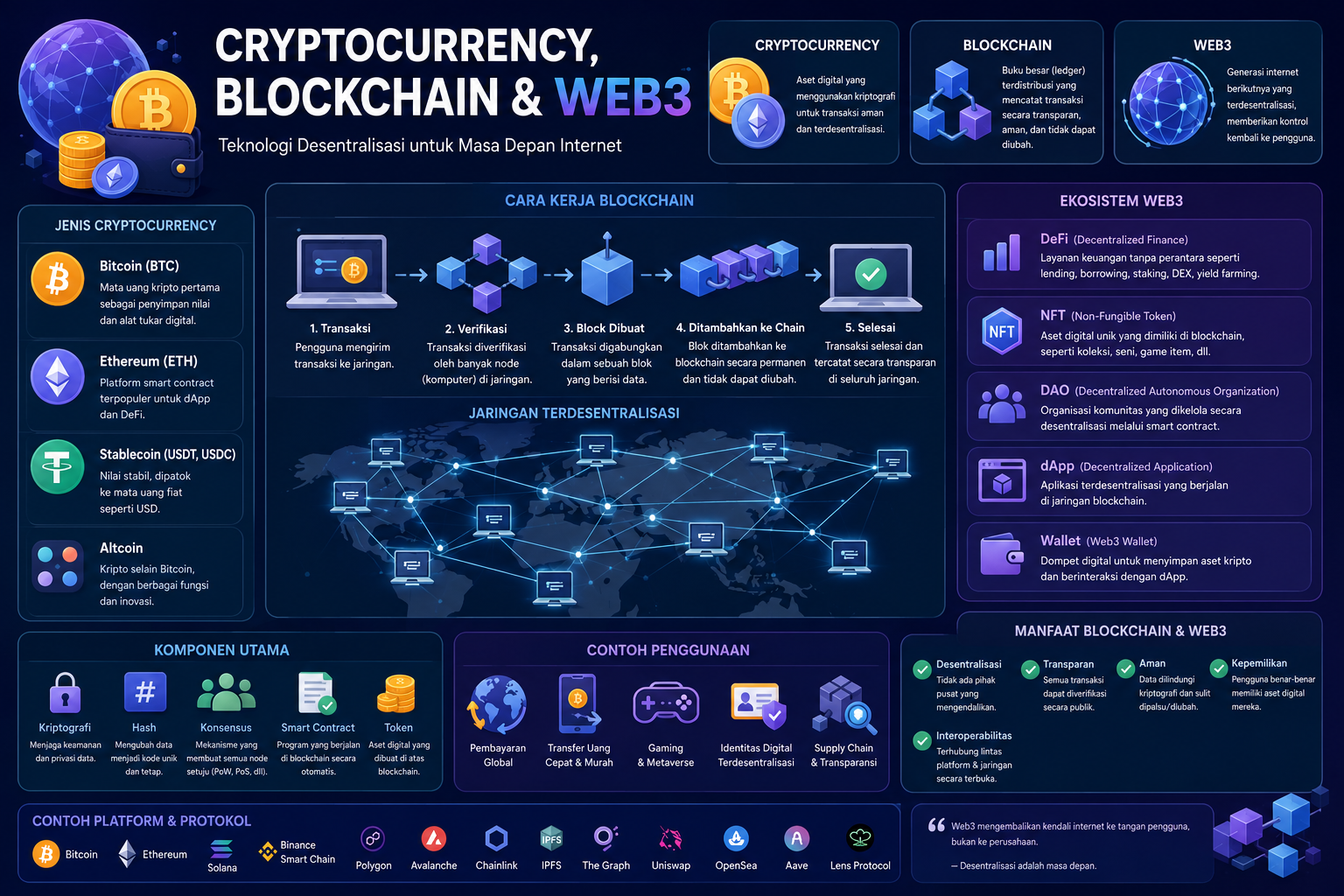
The move towards decentralization forces us to confront fundamental questions about trust. In a world without central authorities, how do we establish and maintain trust? What are the implications for accountability and dispute resolution? The promise of Web3 is a more equitable and democratic internet, but realizing this vision requires careful consideration of its societal implications, including accessibility, digital literacy, and the potential for new forms of digital inequality.
Immersive Realities: The Metaverse and the Blurring of Physical and Digital Worlds
The concept of the metaverse, an expansive and persistent digital realm accessed through virtual and augmented reality, continues to capture headlines and investor interest. While still in its nascent stages, the ambition is to create immersive environments where individuals can work, socialize, play, and transact, often blurring the lines between their physical and digital existences.
AR and VR technologies are rapidly advancing, offering increasingly realistic and interactive experiences. Beyond gaming, these technologies are finding practical applications in education, healthcare (e.g., surgical training, therapy), architecture, and remote work. The potential for new forms of social connection, collaboration, and entertainment is immense, promising experiences that transcend geographical boundaries.
However, the rise of immersive realities also brings a host of societal concerns. Issues such as digital addiction, mental health implications of prolonged immersion, and the formation of identity within virtual spaces are critical areas of study. The economics of the metaverse, including digital ownership, virtual currencies, and the potential for new forms of exploitation or digital labor, also warrant close examination. Furthermore, questions of privacy in highly personalized and data-rich virtual environments, and the potential for digital surveillance, remain at the forefront.
The metaverse, if it reaches its full potential, will profoundly impact human interaction, commerce, and culture. It compels us to consider the ethics of creating and inhabiting digital worlds, and how we ensure these spaces are inclusive, safe, and beneficial for humanity. Understanding the human dimension of the technological revolution is vital as we navigate these emerging digital frontiers, as these platforms will undeniably shape our everyday lives, our society, and our collective future.
Sustainable Tech: Innovating for a Greener Tomorrow
Amidst the excitement of AI and immersive worlds, another critical trend is gaining momentum: sustainable technology. As the urgency of climate change becomes undeniable, innovation is increasingly focused on developing solutions that mitigate environmental impact, conserve resources, and foster a circular economy.
This trend encompasses advancements in renewable energy sources, such as more efficient solar panels and wind turbines, as well as smart grid technologies that optimize energy distribution. Green tech extends to sustainable manufacturing processes, biodegradable materials, and precision agriculture that reduces waste and water usage. Furthermore, AI and big data analytics are being deployed to monitor environmental conditions, predict climate patterns, and optimize resource management, offering powerful tools in the fight against ecological degradation.
The societal shift here is twofold: a growing consumer demand for eco-friendly products and services, and a corporate responsibility to adopt sustainable practices. Governments are also playing a role through incentives and regulations. This trend highlights a maturation in our understanding of technology – recognizing that innovation must not only drive progress but also ensure the long-term health of our planet and its inhabitants. The integration of sustainability into tech design and deployment is no longer an optional extra but a fundamental imperative.
Biotechnology and the Augmentation of Life
While perhaps less visible in daily tech news, advances in biotechnology are poised to bring about some of the most profound human transformations. From personalized medicine based on genetic profiles to gene-editing technologies like CRISPR, biotech trends are pushing the boundaries of what's possible in human health and even human enhancement.
Wearable health monitors are becoming more sophisticated, offering real-time data that empowers individuals to manage their well-being. AI-driven drug discovery is accelerating the development of treatments for previously incurable diseases. More controversially, neurotechnology and brain-computer interfaces (BCIs) hint at a future where human cognition could be augmented, or where individuals with severe disabilities could regain lost functions.
These breakthroughs raise immense ethical, social, and philosophical questions. Who will have access to these life-altering technologies? What are the implications for social equality if human enhancement becomes a commodity? What are the long-term consequences of altering the human genome? The decisions we make today regarding the development and regulation of biotechnology will shape the very essence of human existence for generations to come, requiring a delicate balance between scientific progress and profound ethical considerations.
The Convergence and the Ethical Labyrinth
These major technology trends do not exist in isolation; they are increasingly converging, creating a complex web of interconnected opportunities and challenges. AI powers personalized health tech, blockchain can secure supply chains for sustainable products, and the metaverse could serve as a platform for global environmental advocacy. This convergence amplifies both their potential and their risks.
Navigating this intricate landscape requires more than just technological prowess; it demands a deep understanding of human values, societal structures, and ethical principles. Issues of digital ethics – privacy, data security, algorithmic bias, the digital divide, and the impact on mental well-being – are no longer fringe concerns but central to the discourse on current tech trends. The responsibility falls on developers, policymakers, educators, and citizens alike to ensure that technology serves humanity, rather than the other way around.
Conclusion
The current landscape of technology news and trends is a dynamic tapestry woven with threads of innovation, aspiration, and profound societal change. From AI’s reshaping of work and creativity to Web3’s promise of digital sovereignty, and from the metaverse’s immersive futures to sustainable tech’s ecological imperative, each trend presents a dual nature: immense potential for progress alongside significant challenges to our established norms and values.
Moving beyond the surface-level excitement or fear, a critical and nuanced understanding of these transformations is essential. It is through this lens that we can actively participate in shaping a future where technology is deployed thoughtfully, ethically, and inclusively. The ultimate trajectory of these trends will not be dictated by the algorithms or hardware alone, but by the choices humanity makes in how we embrace, regulate, and integrate them into the ongoing evolution of our global society.