The Invisible Brush: Unveiling the Hidden Dimensions of Art in the Modern World
Introduction: Art Beyond Aesthetics
When most people think of art, they imagine a canvas, a sculpture, or a melody that moves the soul. Yet, art is far more than a collection of visual or auditory delights. It is a living language that speaks the unspoken, a mirror reflecting society’s values, and a catalyst for personal and collective transformation. This article explores art from a unique perspective—how it functions as a bridge between tradition and technology, the psychological impact it has on individuals, and the economic realities that shape contemporary artists.
1. The Duality of Tradition and Innovation
Traditional art forms—be it folk dances, hand‑woven textiles, or classical music—carry centuries of cultural memory. They embody the collective identity of communities, preserving stories that might otherwise be lost. On the other hand, the digital age has birthed new mediums such as algorithmic music, 3D‑printed sculptures, and virtual reality installations. This juxtaposition raises a fundamental question: How can artists honor heritage while embracing innovation?
Consider the psychology of digitalization that shapes our creative habits. As technology reshapes the way we consume art—streaming platforms, social media, and interactive installations—artists must navigate a landscape where authenticity and accessibility often collide. The challenge lies in maintaining the soul of the piece while ensuring it resonates with a global, tech‑savvy audience.
2. Art as a Psychological Compass
Artists often claim that their work is a conduit for personal healing. Neuroscientific research supports this claim, showing that engaging with or creating art can release dopamine, reduce cortisol, and enhance emotional regulation. Moreover, art provides a safe space for exploring identity, trauma, and resilience.
For example, a contemporary performance that blends traditional dance with augmented reality invites participants to re‑experience their cultural roots in a futuristic setting. This fusion can trigger a sense of belonging while simultaneously challenging viewers to question the boundaries of cultural expression.
3. The Economic Reality of Being an Artist
In the age of freelance marketplaces and digital galleries, artists can sell their work directly to audiences worldwide. However, this democratization also introduces market volatility, copyright challenges, and the pressure to constantly produce. Managing finances as a freelancer becomes crucial, as many creators must balance the need for creative freedom with the demands of a sustainable income stream.
Successful artists often diversify their revenue: selling prints, licensing music, offering workshops, and monetizing digital content. Yet, the emotional toll of navigating these avenues can be significant, underscoring the need for supportive ecosystems—grants, mentorship programs, and community-driven initiatives.
4. Case Study: The Global Reach of Regional Dance
Regional dance forms—such as the vibrant movements of Indonesian “Tarian daerah”—illustrate the power of art to transcend borders. These performances, rooted in specific histories, have found new audiences through online platforms. Here is a visual glimpse into one such dance:
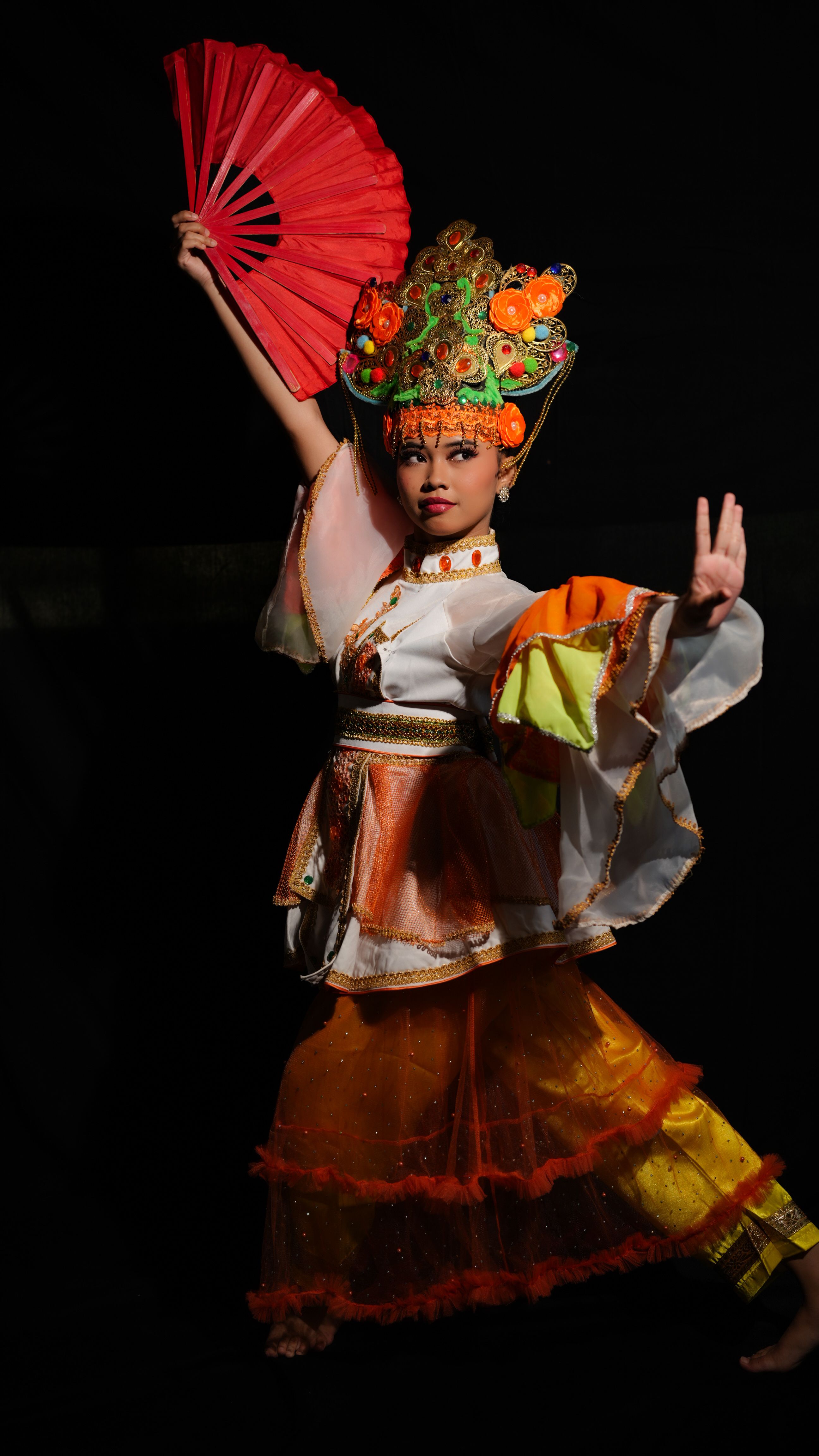
The choreography, costume, and music not only celebrate cultural heritage but also serve as a living archive that can be accessed by anyone with an internet connection. The digital dissemination of these performances amplifies their cultural impact, yet also raises questions about cultural appropriation and the commodification of tradition.
5. The Future: Art in the Era of Artificial Intelligence
Artificial intelligence is reshaping artistic production. From AI‑generated paintings that mimic Van Gogh’s brushstrokes to algorithmic compositions that evolve in real time, technology offers unprecedented tools for creators. However, the rise of AI-generated art also sparks debates about authenticity, authorship, and the role of the human artist in a machine‑driven world.
Artists who embrace AI often do so as collaborators rather than replacements. They program algorithms that respond to their inputs, allowing the machine to explore possibilities beyond human reach while the artist retains conceptual control. This partnership exemplifies the evolving definition of art—no longer confined to physical mediums but expanding into the realm of data and code.
6. Art as a Social Catalyst
Beyond individual expression, art can mobilize communities. Street murals, public installations, and interactive performances invite collective participation, fostering dialogue around pressing issues such as climate change, social justice, and mental health. In this sense, art becomes a form of non‑violent resistance, a means to reframe narratives and inspire action.
Conclusion: The Endless Palette of Possibility
Art, in its myriad forms, remains a dynamic force that intertwines heritage, technology, psychology, and economics. Whether it is a traditional dance captured in a digital frame or an AI‑generated sculpture that challenges our notions of creativity, art continues to push boundaries and invite us to see the world differently. As we navigate the complexities of the digital age, we must remember that the essence of art lies not in the medium but in the intention—to connect, to question, and to transform.