Chinese Market Dynamics in WordPress Plugin Development: Navigating Local Needs and Global Standards
Introduction to WordPress Plugin Development in China
WordPress powers over 40% of global websites, but its adoption in China presents unique challenges and opportunities. While the Chinese government restricts access to international platforms like WordPress.org, developers have created localized solutions to circumvent these barriers. 
Challenges in the Chinese Market
Chinese developers face regulatory hurdles, including the Great Firewall, which blocks access to foreign servers and repositories. Additionally, plugins must adhere to strict cybersecurity laws, such as the Cybersecurity Law of 2017. These constraints require developers to host resources on domestic servers or use cloud services like Alibaba Cloud or Tencent Cloud to ensure compliance.
Another challenge is language localization. While English is the default for most WordPress plugins, Chinese users demand support for Simplified Chinese, regional dialects, and mobile-first interfaces. Developers must prioritize multilingual frameworks and optimize for mobile traffic, which accounts for over 70% of Chinese internet usage.
Localized Plugin Features for Chinese Users
Chinese e-commerce and social media integration are critical for plugin success. Plugins often require compatibility with local payment gateways like Alipay and WeChat Pay. For instance, a WooCommerce extension might include features such as QR code-based transactions or support for Chinese logistics providers like SF Express.
Social media integration is equally vital. Plugins must seamlessly connect with platforms like WeChat, Sina Weibo, and Douyin (TikTok). This includes sharing buttons, comment systems, and social login options tailored to Chinese user behavior. As discussed in this article, bridging local and global functionalities is a recurring theme in Chinese WordPress development.
Technical Considerations for Chinese Developers
Hosting and performance optimization are non-negotiable. Developers should leverage Content Delivery Networks (CDNs) like Baidu CDN or Huawei CDN to reduce latency for Chinese users. Additionally, plugins must be tested for compatibility with WPS Office’s WordPress builder, a popular tool among Chinese businesses.
Security is another priority. Plugins must include anti-DDoS measures and data encryption to comply with China’s Personal Information Protection Law (PIPL). For example, plugins handling user data should anonymize IP addresses and store information on servers registered in China.
Opportunities in the Chinese Market
The rise of cross-border e-commerce has created demand for plugins that support multilingual storefronts and international shipping. Developers can capitalize on this by creating plugins that integrate with global platforms like Amazon and Alibaba, enabling Chinese sellers to reach global audiences.
Emerging trends like Web3 and blockchain also present opportunities. 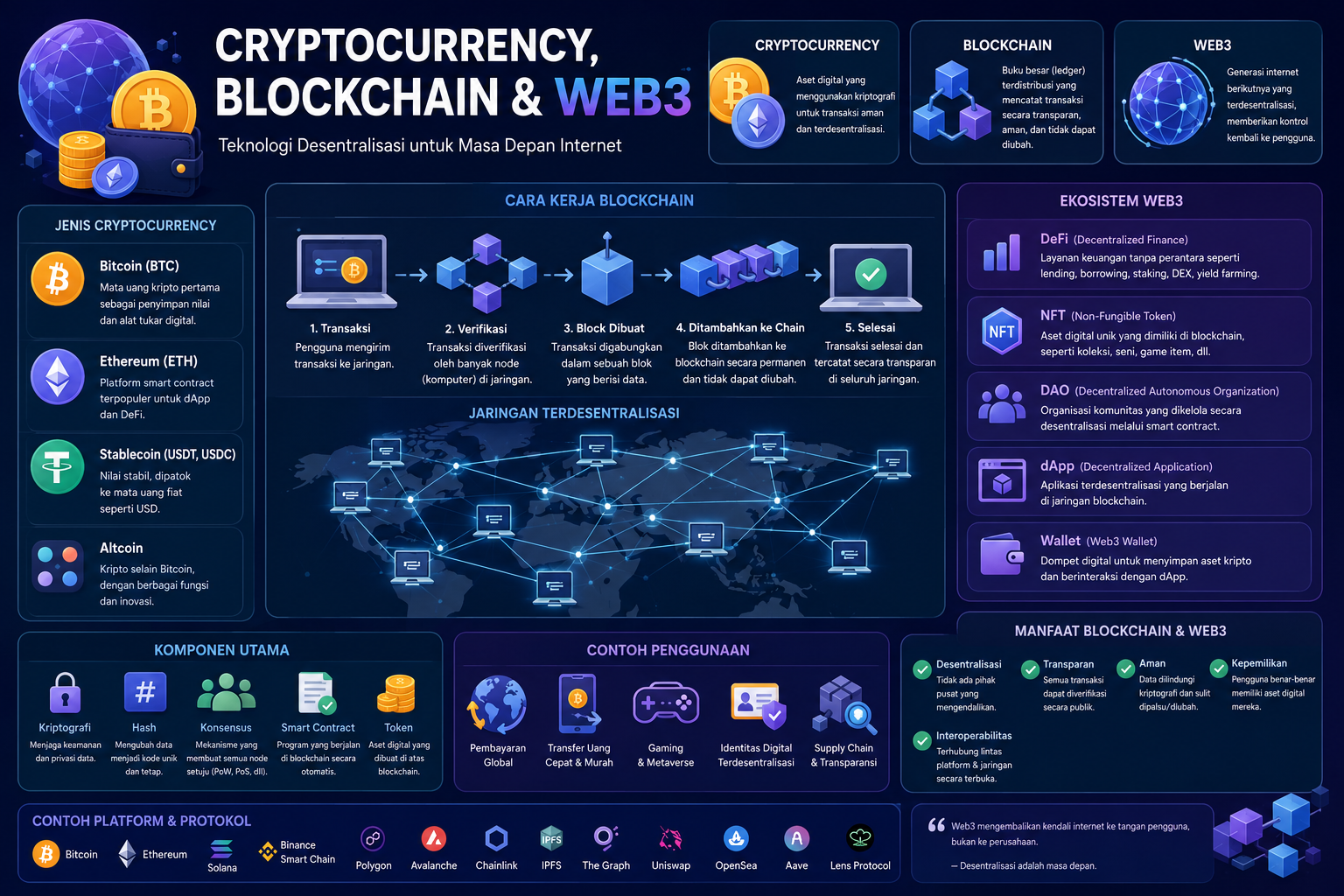
Conclusion
Developing WordPress plugins for the Chinese market requires a nuanced understanding of local regulations, user preferences, and technical infrastructure. By prioritizing localization, compliance, and performance, developers can create solutions that meet the unique demands of Chinese users while leveraging WordPress’s global capabilities. As highlighted in this global perspective, blending cultural relevance with technological innovation remains key to success.