WordPress Plugin Development in China: Bridging Local Needs with Global Innovation
Introduction to WordPress Plugin Development in China
WordPress plugin development has become a cornerstone of the digital ecosystem, enabling businesses to tailor their online presence to specific audiences. In China, where the internet landscape is both dynamic and highly regulated, developers must navigate unique challenges to create effective solutions. From integrating local payment gateways like Alipay and WeChat Pay to adhering to stringent data privacy laws, the process demands a nuanced understanding of the market.
Unique Market Needs in China
The Chinese market presents distinct requirements for WordPress plugins. Businesses here prioritize multilingual support, especially for Chinese characters, and seamless integration with domestic platforms. For instance, e-commerce plugins must support local payment systems and social media sharing on WeChat. Additionally, compliance with the Chinese government’s regulations, such as the Cybersecurity Law, is non-negotiable. Developers must also consider the Great Firewall, which blocks access to many global services, necessitating local alternatives.
Technical Considerations for Chinese Developers
- Localization Beyond Language: Beyond translating interfaces, plugins must adapt to cultural preferences. For example, plugins for Chinese users often include features like QR code integration for mobile payments.
- SEO Optimization for Chinese Search Engines: While Google is restricted, Baidu dominates. Plugins should incorporate Baidu SEO best practices, such as structured data for local search indexing.
- Data Privacy Compliance: Ensuring user data is stored on domestic servers and encrypted to meet China’s strict regulations is critical.
Challenges and Opportunities
Developing plugins for China is not without hurdles. The fragmented app ecosystem and regulatory scrutiny can delay launches. However, the market’s rapid growth in e-commerce and digital services offers immense opportunities. For example, plugins that facilitate WeChat Mini Programs—lightweight apps embedded within the WeChat ecosystem—have gained traction among small businesses seeking to reach mobile-first consumers.
Future Trends in Chinese WordPress Plugin Development
Emerging trends include the integration of AI-driven analytics to cater to Chinese users’ preferences for personalized content and the use of blockchain for secure transactions. Developers are also exploring hybrid solutions that blend traditional Chinese design elements with modern UX principles. As the market evolves, collaborations between local and international developers will likely shape the next generation of plugins.
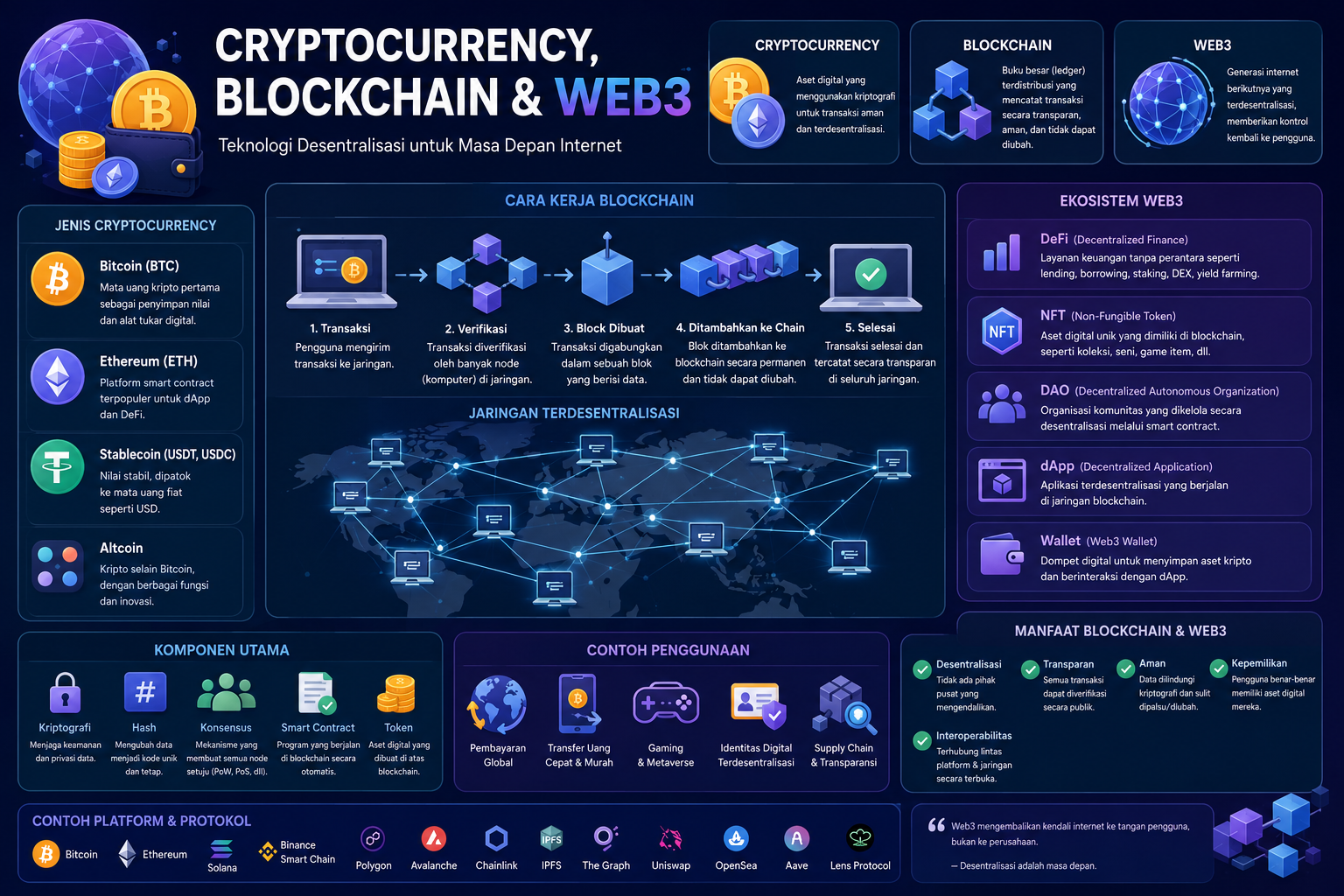
Illustration of blockchain technology integration, relevant for secure payment plugins in China.
Conclusion
WordPress plugin development in China demands a strategic balance between adhering to local regulations and embracing global innovation. By addressing the market’s unique needs—whether through localized features, compliance-ready frameworks, or cultural adaptability—developers can unlock new opportunities in one of the world’s most vibrant digital economies.
DAFTAR ARTIKEL INTERNAL KAMI: - Chinese Innovation in WordPress Plugin Development - Harmonizing Tradition and Digital Innovation in Plugins