WordPress Plugin Development: Bridging Cultures and Technologies in the Digital Era, Insights for Dynamic Markets
In an increasingly interconnected world, WordPress stands as a formidable digital foundation, powering over 40% of all websites. Its open-source nature and unparalleled flexibility have democratized web publishing, enabling businesses and individuals alike to establish a robust online presence. However, the true power of WordPress lies in its extensibility—the vast ecosystem of plugins that transform a basic website into a sophisticated, tailored digital platform. As the global digital landscape continues to evolve, the art of WordPress plugin development transcends mere coding; it becomes a sophisticated endeavor to bridge technological innovation with diverse cultural nuances and market-specific demands. This article delves into the unique perspective of developing WordPress plugins that are not only technically sound but also culturally intelligent, offering insights particularly valuable for dynamic and diverse digital ecosystems.
The Global Canvas of WordPress: A Universal Foundation with Local Flavors
WordPress's global dominance is a testament to its adaptability. From small personal blogs to large corporate enterprises, its core framework provides a universal language for web content. Yet, universality doesn't imply uniformity. Each region, country, and even sub-culture presents its own set of expectations, behaviors, and digital habits. For plugin developers, this translates into a compelling challenge and an immense opportunity: how to create tools that speak to a global audience while resonating deeply with local users. The journey begins by acknowledging that a "one-size-fits-all" approach often falls short in delivering truly impactful solutions in a globalized digital era.
Plugins are the lifeblood of this adaptability, extending WordPress's core functionality to meet highly specific needs. Whether it's an e-commerce solution, a booking system, or a complex membership platform, plugins empower users to customize their sites without writing a single line of code. However, as digital markets become more saturated and competitive, the bar for user experience, performance, and relevance is continually rising. A plugin that performs exceptionally well in one market might falter in another due to unmet cultural expectations or technical limitations, highlighting the critical need for a more nuanced approach to development.
Beyond Borders: The Imperative of Cultural Nuance in Plugin Design
Successful plugin development in a global context demands a profound understanding of cultural nuance. This goes far beyond simple language translation. It encompasses everything from user interface (UI) and user experience (UX) design principles to feature prioritization and even underlying business logic. For instance, what constitutes an intuitive navigation pattern in a Western market might be perceived as confusing or inefficient in an Eastern market, where different visual hierarchies or information consumption habits prevail. Colors, iconography, imagery, and even the direction of text flow (e.g., right-to-left languages) all play a crucial role in shaping a user's perception and engagement with a digital product.
The distinction between localization and internationalization becomes paramount here. Internationalization (i18n) refers to the process of designing a plugin so it can be adapted to various languages and regions without requiring engineering changes. Localization (l10n), on the other hand, is the actual adaptation of an internationalized plugin for a specific locale or market. This includes translating text, adapting numerical formats, currencies, date and time formats, and crucially, tailoring content and features to specific cultural contexts and legal requirements. Developers must consider not just the language, but the cultural context within which the language is used. An article delving into this concept further is WordPress Plugin Development: Bridging Cultural and Technical Innovation in the Digital Era, which emphasizes the blend of technology and culture for impactful digital solutions.
Consider the varying approaches to privacy and data sharing across different cultures. A plugin designed for a market with high privacy concerns might emphasize robust data encryption and clear consent mechanisms, whereas a plugin for a market with a more communal digital ethos might integrate more social sharing features. Understanding these deep-seated cultural preferences is not just about making a plugin usable; it's about making it trustworthy and relatable, fostering a deeper connection with the target audience. The challenge lies in creating a flexible architecture that allows for such extensive customization without compromising the plugin's core functionality or performance.
Technical Adaptations for Diverse Digital Ecosystems: Performance, Security, and Integration
The "digital silk road" is not uniformly smooth. Diverse digital ecosystems present unique technical challenges that plugin developers must meticulously address. Performance optimization is critical, especially in regions where internet infrastructure might vary significantly, from high-speed fiber optics to slower mobile networks. Plugins must be optimized for speed, employing efficient coding practices, lazy loading, optimized asset delivery, and robust caching mechanisms to ensure a seamless experience regardless of bandwidth. A mobile-first approach is often indispensable, given the prevalence of smartphone usage in many emerging markets.
Security and compliance are another cornerstone. Different countries and regions have varying data protection laws (e.g., GDPR in Europe, specific national data residency requirements). Plugins handling sensitive user data, payments, or personal information must be developed with a deep understanding of these regulations to avoid legal repercussions and build user trust. Robust security measures, including input validation, output escaping, secure API interactions, and regular vulnerability audits, are non-negotiable.
Furthermore, seamless integration with local services is often a make-or-break factor for market success. This includes popular regional payment gateways (e.g., WeChat Pay and Alipay in China, specific local bank transfer systems), social media platforms that dominate local communication (e.g., KakaoTalk in Korea, Line in Japan), and even local mapping or logistics services. Developers must be adept at working with diverse APIs, understanding their documentation, and implementing integrations securely and efficiently. The ability to adapt to these regional specificities showcases a developer's foresight and commitment to delivering truly localized value.
The Strategic Development Journey: From Concept to Global Impact
The journey of developing a global WordPress plugin begins long before a single line of code is written. It commences with thorough market research, identifying the pain points, opportunities, and unique demands of specific target markets. This involves creating detailed user personas that go beyond demographics, delving into psychographics, cultural values, and digital behavior patterns. Understanding the competitive landscape in each target region is also vital, learning from existing solutions and identifying gaps.
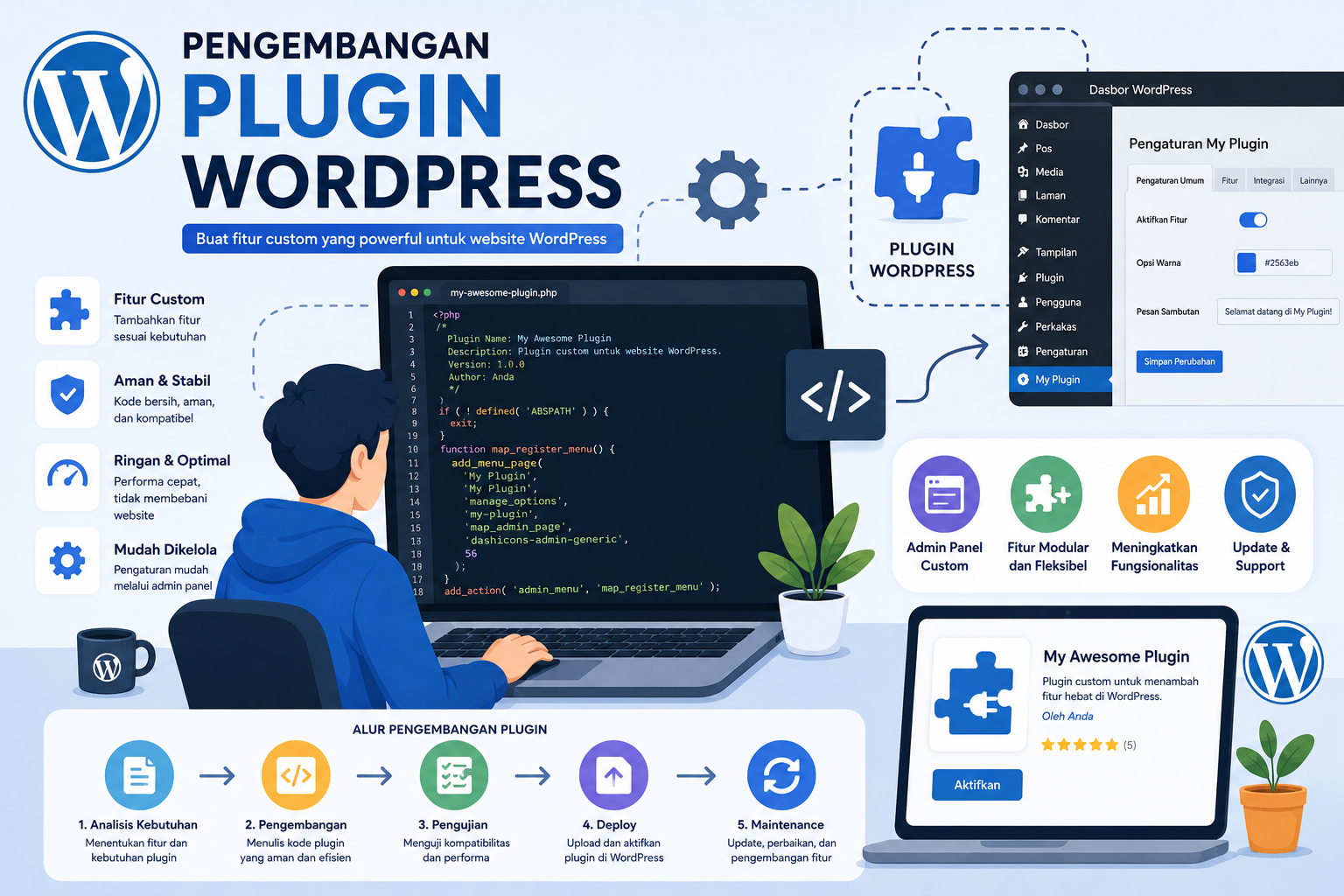
During the design and development phase, adherence to WordPress best practices is paramount. This includes writing clean, well-documented, and extensible code that leverages WordPress hooks, filters, and standard APIs. Such practices not only ensure compatibility with the broader WordPress ecosystem but also facilitate future localization efforts and easier integration with other plugins. Prioritizing modularity allows developers to swap out components or features to suit different market needs without overhauling the entire plugin.
Testing must extend beyond functional checks to include rigorous cross-browser, cross-device, and crucially, cross-cultural testing. This involves soliciting feedback from native speakers and users within the target regions to catch subtle usability issues or cultural misinterpretations that automated tests might miss. Deployment and ongoing maintenance also require a global perspective, with support documentation available in multiple languages and a customer service strategy that considers varying time zones and communication preferences. For deeper insights into integrating local culture with advanced technology in plugin development, an article such as Pengembangan Plugin WordPress: Integrasi Budaya Lokal dan Teknologi Canggih offers valuable perspectives.
Navigating Specific Digital Landscapes: Lessons for Dynamic Markets
Delving into specific digital landscapes, such as that of China, provides illuminating examples of the unique challenges and opportunities for WordPress plugin development. China’s digital ecosystem is distinct, characterized by its own dominant social media platforms (WeChat, Weibo), e-commerce giants (Alibaba, JD.com), and payment systems (Alipay, WeChat Pay). Furthermore, regulatory frameworks regarding internet content, data sovereignty, and foreign technology can significantly influence plugin design and deployment. A WordPress plugin aiming for success in China, for instance, would need built-in integrations for these local services, adherence to local content policies, and potentially even specific server hosting arrangements within China to optimize performance and comply with data regulations. Developers must consider aspects like censorship, firewall compatibility, and the necessity for specific domain registrations or licenses.
This market exemplifies the need for an adaptive mindset: a plugin for e-commerce might need to integrate with WeChat Mini Programs rather than relying solely on global payment gateways like Stripe or PayPal. Similarly, social sharing features must link to local platforms instead of Facebook or Twitter. Such deep localization not only improves user experience but also builds trust and relevance within a culturally distinct environment. The lessons learned from adapting to a market like China – the emphasis on robust local integrations, performance optimization for unique network conditions, and adherence to specific regulatory landscapes – are highly transferable to other dynamic and emerging markets worldwide, highlighting the global imperative for culturally informed technical development.
Future-Proofing WordPress Plugins: Embracing Emerging Technologies and Global Trends
The digital world is in a constant state of flux, with emerging technologies continually reshaping user expectations and development paradigms. For WordPress plugin developers, future-proofing their creations means actively embracing these trends while maintaining a global perspective. Artificial Intelligence (AI) and Machine Learning (ML) offer vast potential for personalization, enabling plugins to adapt content, recommendations, or even UI elements based on individual user behavior and cultural preferences. Imagine an AI-powered e-commerce plugin that dynamically adjusts product displays based on the user's geographical location and inferred cultural buying habits.
The Internet of Things (IoT) presents new frontiers, where WordPress sites could become central hubs for managing smart devices or integrating with physical world interactions. Developing plugins that can securely communicate with IoT devices opens up innovative possibilities for smart homes, cities, and industries, requiring developers to consider diverse hardware ecosystems and connectivity standards across different regions. Blockchain technology, with its promise of enhanced security, transparency, and decentralized control, could also revolutionize various plugin functionalities, particularly in areas like digital identity, secure transactions, and content authenticity, addressing growing concerns in global data management.
Ultimately, the ability to integrate these cutting-edge technologies into WordPress plugins, while simultaneously ensuring cultural relevance and technical adaptability, will define the next generation of digital tools. This requires a commitment to continuous learning, experimentation, and a forward-thinking approach that anticipates the evolving needs of a truly global and interconnected user base.
Conclusion: The Art and Science of Global WordPress Plugin Development
Developing WordPress plugins in the digital era is an intricate blend of art and science. It demands not only technical prowess in coding and architecture but also a deep empathetic understanding of diverse human cultures, behaviors, and market dynamics. Successful plugins transcend mere functionality; they become intuitive extensions of a user's digital life, resonating with their specific needs and cultural contexts. By prioritizing internationalization and localization, optimizing for varied technical landscapes, and strategically integrating with local services, developers can create powerful tools that truly bridge cultural and technological divides.
As WordPress continues to expand its global footprint, the demand for plugins that are both universally robust and locally relevant will only intensify. The journey along the digital silk road requires agility, foresight, and a profound respect for the diversity of the global online community. Embracing this holistic approach is not just good practice; it is the definitive pathway to creating WordPress plugins that achieve enduring impact and foster truly inclusive digital experiences worldwide.