WordPress Plugin Development: Bridging Cultural and Technical Innovation in the Digital Era
Introduction to WordPress Plugin Development
WordPress plugin development has become a cornerstone of modern web solutions, empowering businesses to customize functionalities and enhance user experiences. In the context of the Chinese digital market, where cultural and regulatory landscapes shape user behavior, plugin development requires a unique blend of technical expertise and cultural sensitivity. This article explores how developers can leverage technical innovation to create plugins that resonate with local audiences while adhering to global standards.
Technical Foundations of Plugin Development
At its core, WordPress plugin development relies on robust coding practices and an understanding of PHP, JavaScript, and WordPress APIs. Developers must prioritize scalability, security, and compatibility across devices. For instance, integrating features like multilingual support or localized payment gateways (e.g., Alipay or WeChat Pay) is critical for Chinese users. 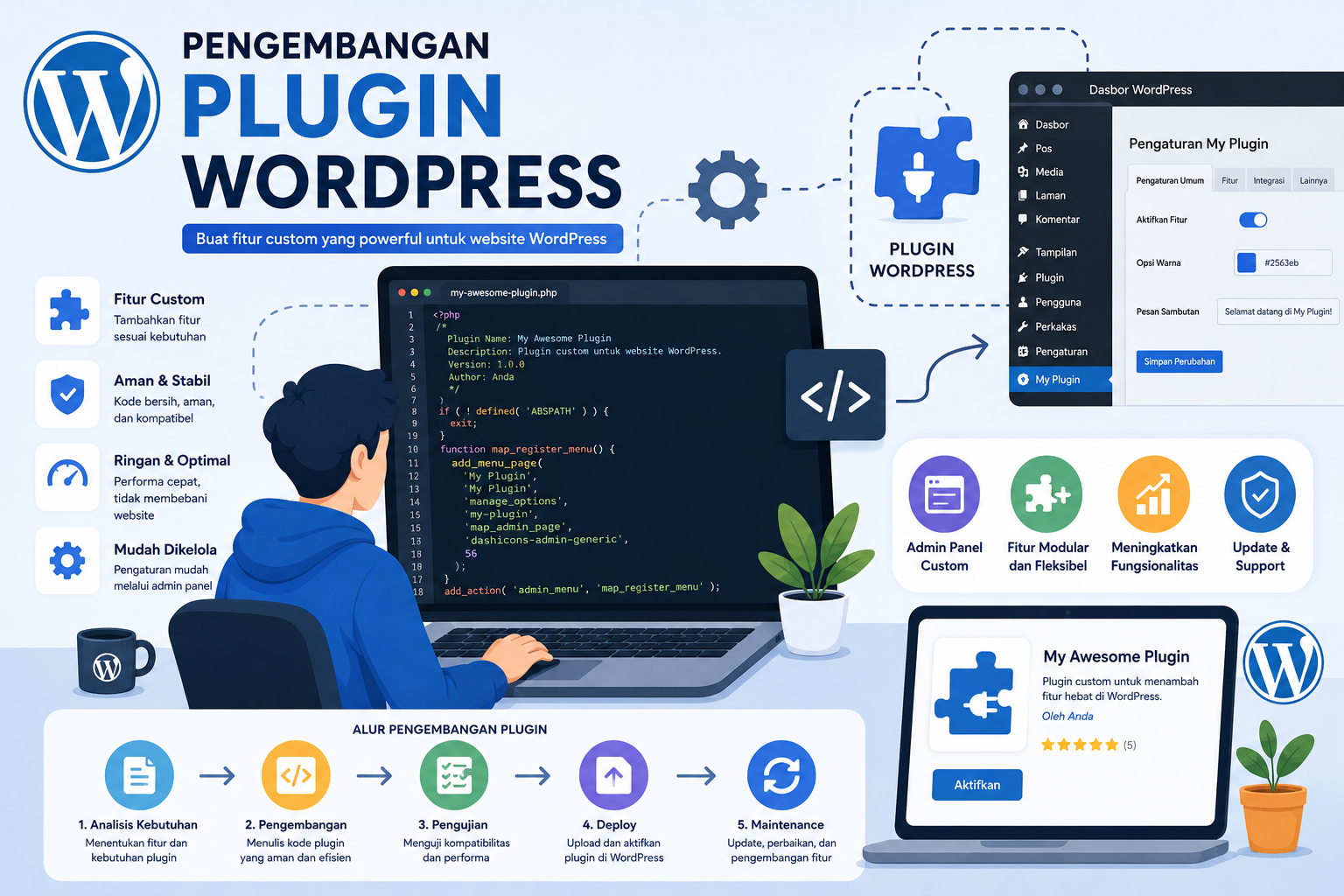
Cultural and Market-Specific Adaptations
Chinese users have distinct preferences shaped by cultural norms and digital habits. Plugins tailored for this market must address these nuances, such as incorporating social media integrations (e.g., Weibo or WeChat) and optimizing for mobile-first experiences. A successful case study involves a plugin that enables e-commerce businesses to streamline cross-border transactions while complying with Chinese data privacy laws. This fusion of technical and cultural adaptation ensures competitiveness in a saturated market.
Challenges and Solutions
- Regulatory Compliance: Navigating China’s strict internet regulations, such as the Cybersecurity Law, requires plugins to anonymize user data and avoid restricted content.
- Localization Beyond Language: Translating plugins into Chinese is insufficient; developers must adapt UI/UX elements to align with local aesthetics, such as using red for promotions (a culturally auspicious color).
- Performance Optimization: High-speed loading is essential due to China’s reliance on mobile networks. Caching mechanisms and CDN integrations are vital for Chinese users.
Future Trends in Chinese Market Development
Emerging trends, such as AI-driven plugins for personalized content recommendations or blockchain-based security features, are gaining traction. Developers should also consider integrating AI tools that analyze user behavior to optimize plugin performance. As Chinese digital platforms evolve, plugins that offer hybrid solutions—combining e-commerce, social media, and cloud storage—will dominate the market. Staying ahead of these trends requires continuous learning and collaboration with local tech communities.
Conclusion
WordPress plugin development in the Chinese context demands more than technical proficiency—it requires a deep understanding of cultural dynamics and market-specific challenges. By merging local insights with global best practices, developers can create plugins that not only meet functional needs but also foster trust and engagement among Chinese users. The future of digital solutions lies in this harmonious balance between innovation and cultural relevance.