The Future of WordPress Plugin Development: Balancing Technological Innovation with Cultural Adaptation
WordPress plugin development has evolved from a niche technical skill to a global industry, driven by the need for customizable, scalable, and culturally sensitive solutions. As businesses and developers seek to create plugins that resonate across diverse markets, the intersection of technological innovation and cultural adaptability becomes critical. This article explores unconventional strategies to future-proof WordPress plugins, ensuring they meet both technical standards and cultural expectations.
Technological Foundations: Beyond Code
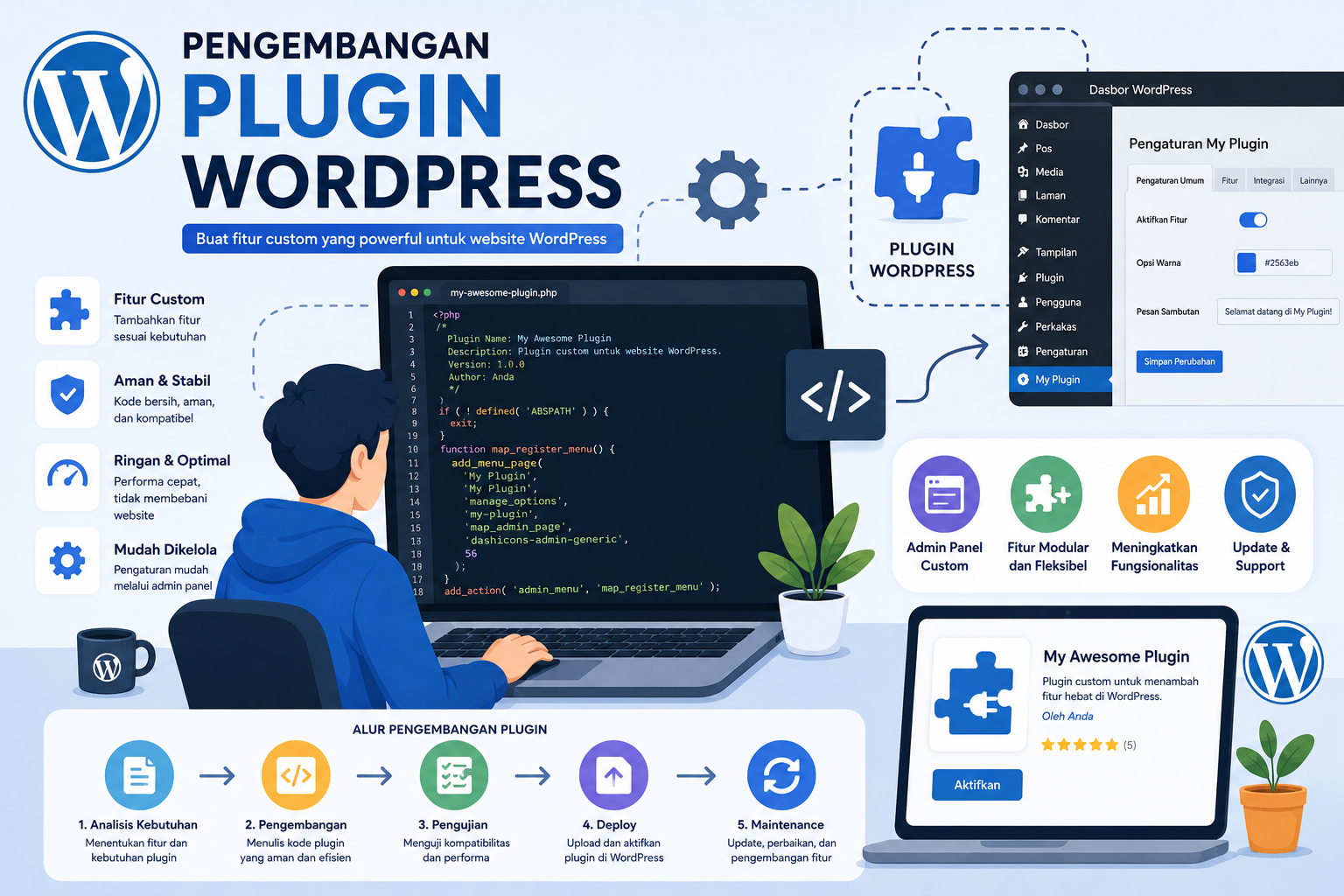
Modern WordPress plugin development is not just about writing clean code. Developers must integrate advanced frameworks like React.js or PHP 8.3 to ensure performance and scalability. Tools such as WordPress Block Editor APIs allow for intuitive user interfaces, while containerization with Docker ensures cross-platform compatibility. However, these technologies must be paired with rigorous testing protocols, including automated QA tools and real-time analytics, to maintain reliability.
Cultural Adaptation: A Strategic Imperative
Plugins often fail in international markets due to oversights in cultural context. For instance, a payment gateway plugin designed for Western audiences might struggle in regions where mobile wallets dominate. Developers must conduct localized user research, considering language nuances, payment preferences, and legal frameworks. Case studies from the Korean market highlight how plugins optimized for mobile-first users with e-wallet integrations outperform generic solutions.
- Language localization beyond translation (e.g., emojis, regional idioms).
- Compliance with data privacy laws like GDPR or China's Cybersecurity Law.
- Design adjustments for right-to-left (RTL) languages or color symbolism.
Emerging Trends: AI and Cultural Intelligence
Artificial intelligence is revolutionizing plugin development by enabling dynamic personalization. Machine learning algorithms can analyze user behavior to suggest plugin configurations tailored to specific regions. For example, an AI-driven SEO plugin could prioritize keywords relevant to local search trends. However, ethical concerns arise when AI adapts too aggressively to cultural biases, requiring developers to implement transparency and fairness checks.
Case Study: Bridging Global Standards and Local Needs
The success of plugins like WooCommerce lies in their modular architecture, allowing businesses to add region-specific features without compromising core functionality. In Japan, WooCommerce integrations with Rakuten Pay or LINE Pay demonstrate how cultural preferences for specific payment methods can drive adoption. Conversely, plugins neglecting local preferences often face low engagement, despite superior technical execution.
Challenges and Solutions
Developers face three major challenges: 1. **Fragmentation**: Keeping up with WordPress core updates while maintaining backward compatibility. 2. **Security**: Balancing feature-rich plugins with minimal vulnerabilities. 3. **Cultural Missteps**: Avoiding assumptions about user behavior in untested markets.
Solutions include automated dependency management, penetration testing, and beta testing with local user groups. Tools like Lighthouse for accessibility checks or W3C Markup Validation Service ensure technical and cultural compliance.
Future Outlook
The future of WordPress plugin development hinges on harmonizing global standards with hyper-local customization. While frameworks like Next.js and AI-driven analytics will streamline development, the human element—understanding cultural context—remains irreplaceable. Developers who prioritize both technical rigor and cultural empathy will lead the next wave of innovation, transforming plugins from mere tools into bridges connecting global audiences.
**中文内容(Chinese section):**WordPress插件开发的未来在于技术创新与文化适应的结合。随着企业需求的多样化,开发者需要采用高级框架如React.js或PHP 8.3,同时考虑本地市场偏好。例如,韩国市场对移动支付插件的接受度远高于传统信用卡接口,这种文化差异直接影响插件的成功率。
技术基础:超越代码
现代WordPress插件开发不仅仅是编写代码,开发人员必须整合React.js或PHP 8.3等高级框架,以确保性能和可扩展性。通过WordPress区块编辑器API,开发者可以创建更直观的用户界面,而Docker容器化则保证跨平台兼容性。
文化适应:战略核心
插件在国际市场的失败往往源于对文化背景的忽视。例如,为西方市场设计的支付网关插件可能在使用移动钱包为主的地区表现不佳。开发者需要进行本地化用户研究,考虑语言细微差别、支付偏好和法律框架。韩国市场的案例表明,针对移动优先用户优化的插件在集成电子钱包后表现优于通用解决方案。
- 语言本地化超越翻译(例如表情符号、地区性习语)。
- 符合GDPR或中国网络安全法等数据隐私法规。
- 设计调整以支持从右到左(RTL)语言或色彩象征。
新兴趋势:AI与文化智能
人工智能正在通过动态个性化颠覆插件开发。机器学习算法可分析用户行为,为特定地区推荐插件配置。例如,AI驱动的SEO插件可以优先考虑本地搜索趋势相关的关键词。然而,当AI过于激进地适应文化偏见时,伦理问题也随之而来,需要开发者实施透明度和公平性检查。
WordPress插件开发的未来取决于全球化标准与超本地定制的和谐统一。虽然像Next.js这样的框架和AI驱动的分析将简化开发流程,但理解文化背景的人类元素仍不可替代。优先考虑技术严谨性和文化同理心的开发者,将引领下一代创新,使插件不仅成为工具,更成为连接