Innovating WordPress Plugin Development: Bridging Global Standards with Local Market Needs
Introduction to WordPress Plugin Development
WordPress powers over 40% of all websites globally, making its plugin ecosystem a cornerstone of modern web development. A 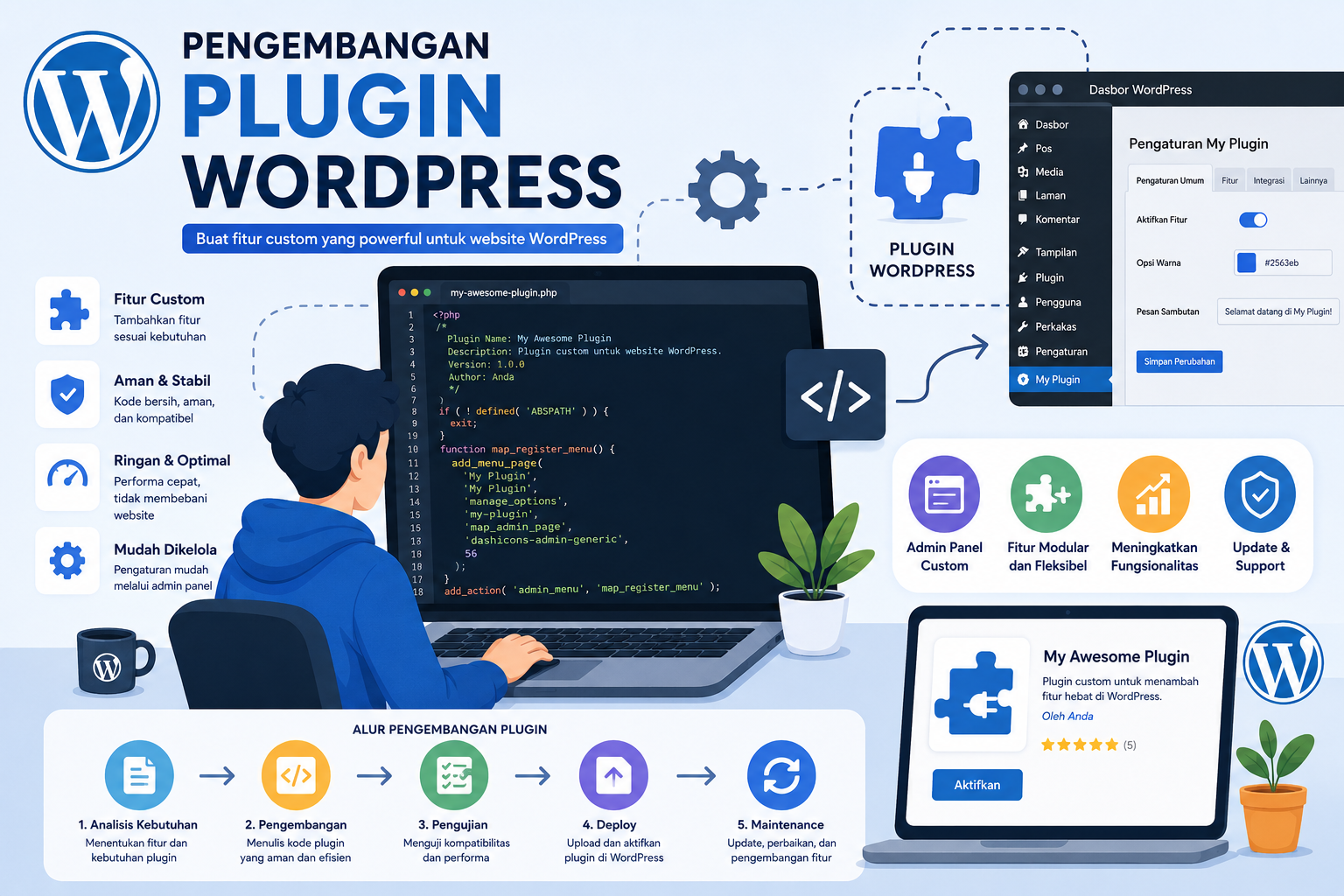
Role of AI in Enhancing Plugin Functionality
Artificial Intelligence (AI) has revolutionized WordPress plugins by introducing smart features like automated content generation, sentiment analysis, and user behavior tracking. For instance, AI-powered chatbots integrated into plugins can provide 24/7 customer support, adapting responses to user queries in real-time. Innovative plugins now leverage machine learning to optimize website performance, such as dynamically caching content based on user location or device type. This convergence of AI and WordPress development not only enhances user experience but also reduces the manual workload for site administrators.
Adapting Plugins for Local Market Needs
While global standards ensure compatibility and security, plugins must also cater to local regulations and cultural nuances. For example, a plugin designed for the European market might include GDPR compliance tools, while a version for China could prioritize data localization and censorship compliance. Developers must also consider language support, payment gateway integrations, and cultural preferences in UI/UX design. By conducting thorough market research and collaborating with local experts, plugins can achieve broader adoption and user satisfaction in diverse regions.
Challenges in Plugin Development
- Technical Complexity: Balancing AI features with performance optimization is challenging, as heavy scripts can slow down websites.
- Security Risks: Plugins with third-party APIs or user data handling require robust encryption and regular vulnerability assessments.
- Market Fragmentation: Meeting varying regulatory requirements across countries demands flexible development frameworks.
Overcoming these challenges requires a proactive approach, such as modular code structures for easy updates and adherence to WordPress coding standards.
Future Trends in Plugin Development
The future of WordPress plugins will likely see increased adoption of AI-driven personalization, blockchain-based authentication, and cross-platform compatibility for mobile apps. Developers should also focus on sustainability by minimizing resource consumption and promoting eco-friendly coding practices. Collaborative efforts between global teams and local stakeholders will be vital to creating plugins that resonate universally yet adapt seamlessly to regional contexts.
Conclusion
Pioneering WordPress plugin development demands a dual focus on technological innovation and cultural agility. By leveraging AI and tailoring solutions for local markets, developers can create plugins that are both cutting-edge and highly relevant. As the digital landscape evolves, the ability to bridge global and local priorities will define the success of WordPress plugins in the years ahead.