The Evolution of WordPress Plugin Development: Integrating AI and Cultural Localization for 2026
WordPress plugin development has undergone a transformative phase in 2026, driven by the convergence of artificial intelligence (AI) and cultural adaptation strategies. As businesses increasingly rely on WordPress to power dynamic websites, developers must address both technological innovation and user-specific needs. This article explores how modern plugin development balances cutting-edge AI features with localized market demands, ensuring global scalability while maintaining cultural relevance.
AI-Driven Innovations in WordPress Plugins
The integration of AI into WordPress plugins has revolutionized user experiences, from automated content generation to intelligent customer support systems. For instance, plugins leveraging machine learning algorithms can now analyze user behavior to personalize content dynamically. This capability is particularly valuable for e-commerce platforms, where AI-powered recommendation engines enhance product visibility and conversion rates. Developers are also incorporating natural language processing (NLP) to create voice-assisted dashboards, reducing the learning curve for non-technical users.
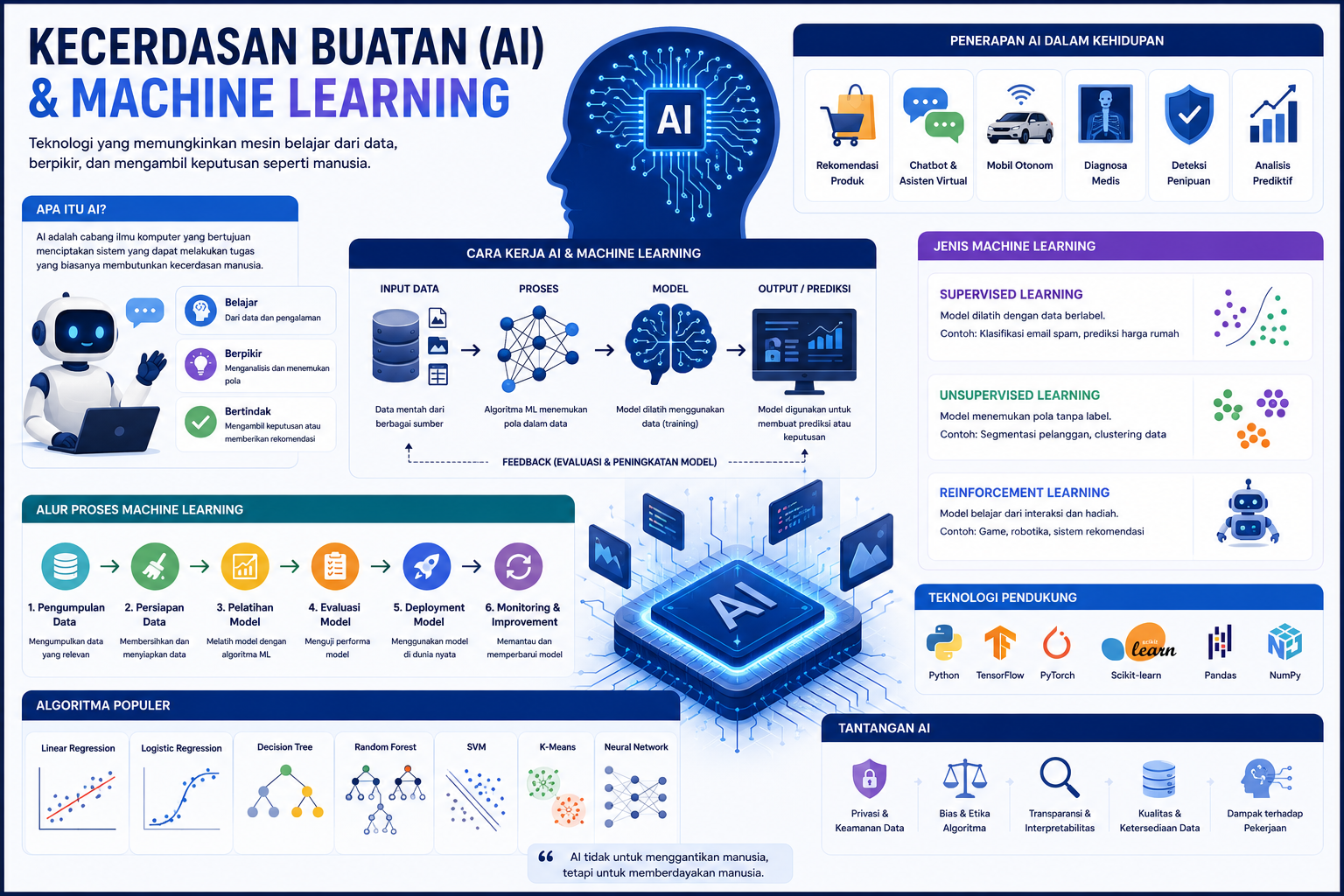
However, AI integration requires careful optimization. Overloading plugins with complex algorithms can slow down website performance. To mitigate this, developers are adopting lightweight frameworks like TensorFlow Lite, which balance functionality with speed. Additionally, security protocols are being embedded into AI modules to prevent data breaches, especially in regions with stringent privacy regulations.
Cultural Localization: Beyond Translation
While translation tools have streamlined multilingual support, true cultural localization goes deeper. For example, a WordPress plugin targeting Chinese users might need to incorporate QR code payment integrations and regional compliance standards like China’s Data Security Law. In contrast, plugins for European markets may prioritize GDPR-compliant data handling and local currency conversions. This level of customization ensures that plugins resonate with users' daily habits and legal expectations.
- Visual Design: Color symbolism varies across cultures. Red signifies luck in Chinese culture but may denote danger in Western contexts.
- Payment Gateways: Plugins must support local payment methods (e.g., WeChat Pay in China or Swish in Sweden).
- Content Moderation: Automated filters can flag culturally sensitive topics, such as political references in certain regions.
Developers can leverage tools like Poedit for translation management and integrate APIs from platforms like Google Cloud Translation. However, manual review by native speakers remains critical to avoid contextual errors, such as mistranslated idioms or inappropriate humor.
Case Study: E-Commerce Plugins in Emerging Markets
The rise of digital economies in India and Southeast Asia has created new challenges for WordPress plugin developers. For instance, plugins enabling multi-currency support and localized tax calculations are in high demand. A notable example is the integration of blockchain-based plugins for transparent supply chain tracking, which appeals to environmentally conscious consumers in regions like Scandinavia.
One innovative solution is the use of decentralized storage systems (e.g., IPFS) to reduce server costs in bandwidth-limited regions. This approach aligns with the growing trend of Web3 integration, where plugins automatically verify product authenticity using blockchain.
Future Trends and Challenges
As WordPress continues to dominate the CMS landscape, plugin developers must prepare for emerging trends such as:
- AI-Generated Plugins: Platforms that allow users to create custom plugins via voice commands or text prompts are being tested by companies like Automattic.
- Augmented Reality (AR) Integration: E-commerce plugins now include AR features for virtual product trials, particularly popular in fashion and home decor niches.
- Regulatory Compliance: Developers will need to stay ahead of evolving laws, such as the EU’s Digital Services Act (DSA), which mandates stricter content moderation for plugins.
Despite these advancements, challenges persist. The proliferation of AI tools has led to an oversaturated plugin marketplace, forcing developers to focus on niche solutions. For example, plugins tailored for niche industries like agriculture or healthcare must adhere to specialized standards (e.g., HIPAA for medical data in the U.S.).
Conclusion
WordPress plugin development in 2026 is no longer about generic solutions—it demands a fusion of technical expertise and cultural intelligence. By prioritizing AI-driven personalization and region-specific adaptations, developers can create plugins that not only perform efficiently but also foster trust and engagement across diverse user bases. As the digital landscape evolves, staying agile and informed will be key to thriving in this competitive field.