Bridging Global and Local: The Unique Challenges of WordPress Plugin Development
WordPress plugin development is a dynamic field where technical expertise meets cultural adaptability. While the core platform unifies global standards, developers face a unique challenge: creating plugins that resonate with diverse user behaviors, regulatory environments, and technological infrastructures. This article explores the nuanced strategies required to bridge the gap between global innovation and local needs in WordPress plugin design.
The Dual Nature of WordPress Plugin Development
At its core, WordPress plugin development is a technical endeavor. Developers write code to extend website functionality, optimize performance, or integrate third-party services. However, the true complexity arises when these plugins must operate seamlessly across geographically and culturally distinct markets. For instance, a plugin designed for an e-commerce site in Europe may need to comply with GDPR regulations, while a similar tool in Asia might require localization for payment gateways like Alipay or KakaoPay.
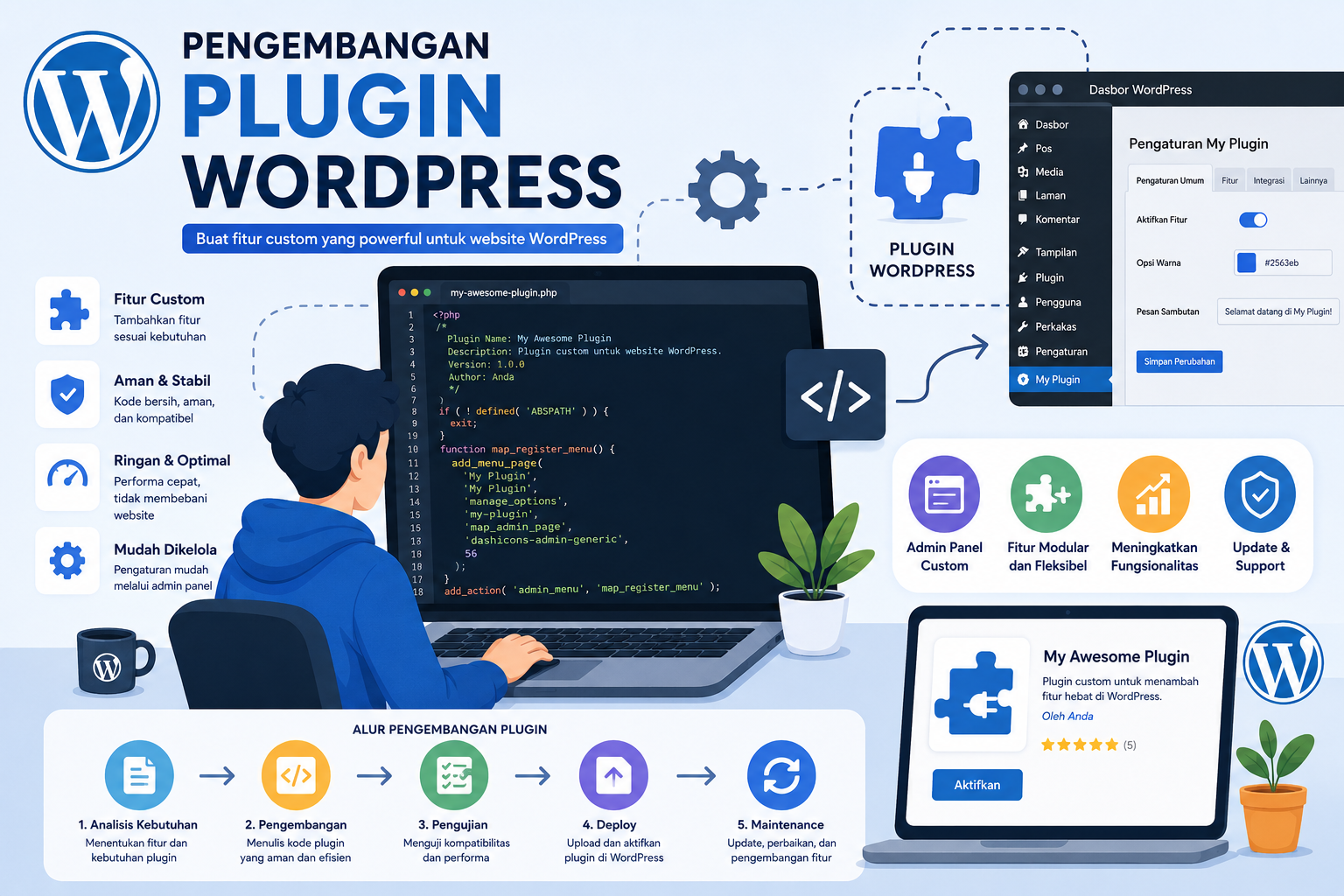
Consider the case of Innovating WordPress Plugin Development: Bridging Global Standards with Local Market Needs. This article highlights how developers must balance standardized coding practices with region-specific customizations. For example, a multilingual plugin might use machine learning algorithms to auto-detect user preferences, but it must also support manual overrides for users in regions with mixed linguistic demographics.
Strategies for Cross-Cultural Plugin Adaptation
- Modular Code Architecture: Design plugins with interchangeable modules that can be activated or deactivated based on the target market. This allows developers to maintain a unified codebase while enabling localized features.
- Dynamic UI/UX Design: Implement responsive design principles that adapt to screen sizes and input methods. In regions with high mobile usage, plugins must prioritize touch-friendly interfaces.
- Regulatory Compliance: Embed compliance frameworks directly into the plugin. For example, a privacy-focused plugin could automatically adjust data collection settings based on the user’s IP location.
A compelling example is การพัฒนาปลั๊กอิน WordPress: สมดุลระหว่างนวัตกรรมกับความเข้าถึงผู้ใช้ท้องถิ่น (Thai: "WordPress Plugin Development: Balancing Innovation with Local User Accessibility"). This case study demonstrates how a Thai e-commerce plugin integrated local payment APIs and cultural design elements, such as color schemes and icons, to align with regional preferences.
Case Study: Navigating Technical and Cultural Hurdles
Take a hypothetical scenario involving a plugin that automates content generation using AI. While the algorithm might perform well in English-speaking markets, it could struggle in non-Latin script regions. Developers must train the AI on localized datasets, ensure character encoding compatibility, and test for cultural sensitivities in generated content. This mirrors the approach outlined in Pengembangan Plugin WordPress untuk Transformasi Digital: Membangun Solusi Adaptif dan Berkelanjutan, which emphasizes iterative testing with local user groups.
Future-Proofing WordPress Plugins
As technology evolves, WordPress plugins must anticipate trends like blockchain integration, AI-driven personalization, and voice-activated interfaces. However, these innovations must be implemented judiciously. For example, a voice-activated plugin for a multilingual site would need to support dialect variations and regional accents. Developers should also consider energy efficiency, as users in regions with unstable power grids may prioritize low-resource plugins.
Collaboration with local developers and end-users is crucial. Platforms like GitHub can host region-specific forks of a plugin, enabling communities to contribute bug fixes and feature requests tailored to their needs. This decentralized approach not only enhances functionality but also fosters trust in the product.
Conclusion
WordPress plugin development is more than coding—it’s about creating bridges between global digital ecosystems and local realities. By adopting modular design, embracing cultural insights, and leveraging collaborative tools, developers can craft plugins that thrive in diverse markets. The future belongs to those who can harmonize technical excellence with human-centric design, ensuring their solutions are both innovative and inclusive.