Navigating the English China Divide: Advanced WordPress Plugin Development for Cross-Cultural Digital Success
In today's interconnected yet fragmented digital landscape, businesses often find themselves operating across diverse cultural and technological ecosystems. One of the most challenging yet rewarding arenas is the "English China" divide – the space where English-speaking businesses aim to penetrate or thrive within the Chinese digital market, or where Chinese enterprises seek to engage global English-speaking audiences. For companies leveraging WordPress, the world's most popular content management system, this presents a unique set of opportunities and obstacles that demand specialized solutions: custom WordPress plugin development.
WordPress’s global footprint is undeniable, powering over 43% of all websites. Its open-source nature and vast plugin ecosystem offer unparalleled flexibility. However, merely installing a standard WordPress site and a few generic plugins is rarely sufficient for success when navigating China's thriving digital ecosystem. The unique characteristics of China's internet, coupled with distinct user behaviors and regulatory frameworks, necessitate a tailored approach. This is where bespoke WordPress plugin development becomes not just an advantage, but a necessity for businesses looking to effectively bridge these digital ecosystems.
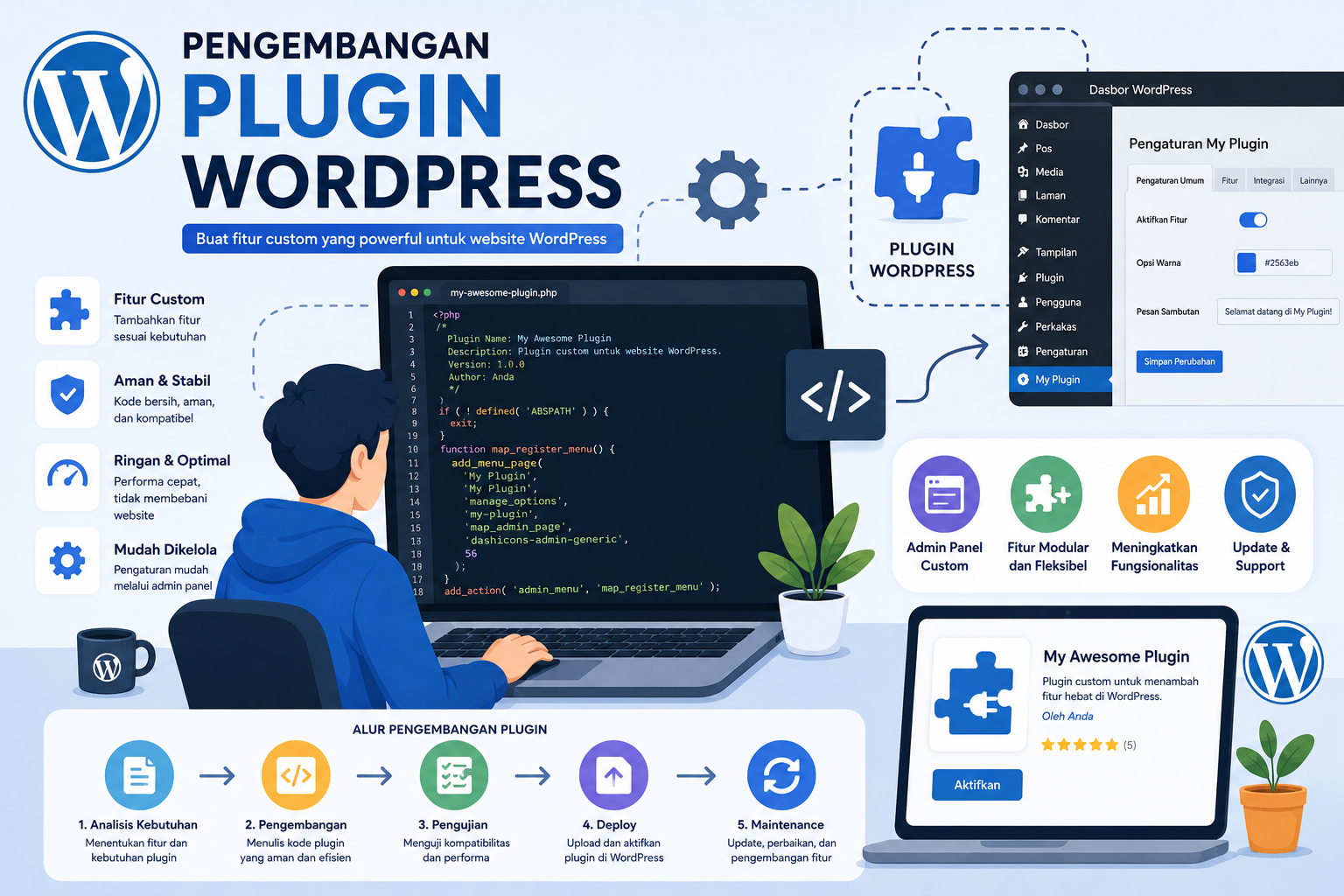
Understanding the "English China" Digital Landscape
The term "English China" can refer to several scenarios:
- Foreign Businesses in China: Companies from English-speaking countries aiming to establish an online presence in China, serving local Chinese customers or expatriate communities.
- Chinese Businesses Going Global: Chinese companies targeting international English-speaking markets, requiring robust, globally accessible websites.
- Hybrid Models: Businesses with operations in both regions, needing seamless data flow, localized content, and integrated services.
Regardless of the specific model, the core challenge lies in reconciling the open, global nature of WordPress with China's distinct internet infrastructure and digital culture. This includes the infamous "Great Firewall," unique social media platforms, prevalent payment systems, and specific data privacy regulations.
Core Challenges in WordPress Plugin Development for China
Developing WordPress plugins for this specific context requires a deep understanding of several critical areas:
1. Technical Compliance and Performance within the Great Firewall
The Great Firewall of China (GFW) is perhaps the most significant technical hurdle. It filters internet traffic, blocking or slowing down many globally popular services and CDNs (Content Delivery Networks). This has direct implications for WordPress plugins:
- Blocked Services: Many common WordPress plugin dependencies, such as Google Fonts, Google Analytics, jQuery from Google's CDN, and various social media APIs (Facebook, Twitter, Instagram), are blocked in China. Plugins relying heavily on these will either fail to load or significantly degrade site performance.
- Hosting: Websites hosted outside mainland China often experience slow loading times. For optimal performance, a Chinese-hosted server (requiring an ICP license for commercial sites) or a CDN with points of presence within China is crucial. Plugins must be designed to work seamlessly with such infrastructure.
- DNS Resolution: DNS resolution can also be slower in China, impacting external API calls from plugins.
Plugin Development Solution: Developers must build plugins that are GFW-aware. This involves:
- Replacing blocked external resources with locally hosted alternatives or China-specific CDNs (e.g., Baidu CDN for jQuery).
- Integrating with China-specific map services (e.g., Baidu Maps, Amap) instead of Google Maps.
- Designing asynchronous loading for external scripts to prevent blocking the entire page render.
- Optimizing code for minimal external dependencies.
2. Localization and Internationalization (L10N/I18N)
Beyond simple language translation, true localization for the Chinese market involves adapting every aspect of the user experience to cultural norms and expectations.
- Language: Simplified Chinese (zh-CN) is the standard. Plugins must be fully translatable using WordPress's i18n functions, and translations must be accurate and contextually appropriate.
- Cultural Nuances: UI/UX design elements, color psychology, imagery, and even iconography can have different meanings or connotations. A plugin's visual components and workflows should resonate with Chinese users. For example, red is auspicious, while certain other colors might be avoided.
- Date, Time, and Currency Formats: Ensure consistency with Chinese standards.
- Search Engine Optimization (SEO): While English SEO targets Google, Chinese SEO primarily targets Baidu. Plugins generating dynamic content or handling redirects must be optimized for Baidu's crawling and indexing specificities.
Plugin Development Solution: Develop plugins with a strong focus on extensibility for localization. This includes:
- Using WordPress's built-in internationalization functions (`__()`, `_e()`, etc.) for all strings.
- Providing hooks and filters to allow themes or other plugins to override default cultural settings, image assets, or even logic.
- Considering a modular approach where specific regional UI components can be swapped out.
3. Integration with Local Services and Platforms
The Chinese digital ecosystem is dominated by a few super-apps and local platforms that are indispensable for any business aiming to engage Chinese consumers.
- Payment Gateways: WeChat Pay and Alipay are dominant. Standard international payment gateways like Stripe or PayPal are not widely used. Plugins for e-commerce or subscription services must integrate directly with these local payment solutions.
- Social Media: WeChat, Weibo, Douyin (TikTok), and QQ are the primary social platforms. Plugins need to facilitate sharing to these platforms, enable social login via WeChat, or integrate WeChat customer service features.
- Messaging & Communication: WeChat is ubiquitous for personal and business communication. Plugins that offer customer support or notifications should consider WeChat integration.
- Mapping Services: Baidu Maps is the go-to for location-based services.
Plugin Development Solution: Build plugins with direct API integrations for these major Chinese platforms. This means:
- Developing custom payment gateway modules for WooCommerce or other e-commerce plugins.
- Creating custom social sharing buttons and social login options for WeChat and Weibo.
- Implementing WeChat Official Account or Mini Program integration for specific functionalities.
4. Data Privacy and Regulatory Compliance
China has its own robust, and evolving, set of data privacy and cybersecurity laws, distinct from GDPR or CCPA.
- Cybersecurity Law (CSL): Governs network security and data protection.
- Personal Information Protection Law (PIPL): China's equivalent of GDPR, with strict rules on collecting, processing, and transferring personal data.
- Data Residency: Certain types of data may need to be stored within China.
Plugin Development Solution: Plugins must be developed with data compliance at their core. This involves:
- Ensuring data collection practices comply with PIPL.
- Providing clear consent mechanisms for users, specific to Chinese regulations.
- Considering secure data transfer protocols if data must be moved cross-border, and potentially implementing data anonymization or local storage for sensitive information.
- Documenting data handling processes clearly within the plugin's functionality.
Strategic Approaches for Successful "English China" WordPress Plugin Development
To overcome these challenges and unlock the vast potential of the "English China" market, developers should adopt several strategic approaches:
- "China-First" Design Philosophy: Rather than adapting an existing plugin, consider designing new functionalities with the Chinese ecosystem in mind from the outset. This pre-empts many compatibility issues.
- Modular Architecture: Build plugins with a modular structure that allows for easy swapping of integrations (e.g., different payment gateways, social sharing providers, map services) based on the target region. This makes the plugin adaptable for both English-speaking global users and Chinese users.
- Performance Optimization from Day One: Focus on lean code, efficient database queries, and minimal external HTTP requests. Implement caching strategies effectively within the plugin.
- Robust Error Handling and Logging: Given the complexities of cross-border communication and third-party API integrations, comprehensive error handling and logging are crucial for debugging and maintenance.
- Continuous Testing within China: Regular testing from within mainland China (using VPNs or localized testing environments) is essential to identify performance bottlenecks and blocked resources.
- Collaboration with Local Experts: Partnering with Chinese developers, agencies, or consultants who possess intimate knowledge of the local digital landscape and regulatory environment can be invaluable.
The Role of WordPress Plugin Development in Bridging Gaps
Custom WordPress plugin development empowers businesses to:
- Create Seamless User Experiences: By integrating local payment and social media, and optimizing for local performance, plugins can provide a native-like experience for Chinese users, even on an internationally branded website.
- Unlock New Revenue Streams: E-commerce plugins with local payment integrations directly open up the massive Chinese consumer market.
- Streamline Operations: Plugins can automate data synchronization between global CRMs and Chinese local platforms, improving efficiency for businesses operating across borders.
- Ensure Compliance and Security: Custom solutions can be built with specific regulatory frameworks in mind, mitigating legal and security risks.
- Foster Brand Loyalty: By showing a commitment to meeting local needs, businesses can build stronger relationships with their Chinese audience.
Conclusion
The "English China" digital landscape is a complex tapestry woven from technological, cultural, and regulatory threads. For businesses utilizing WordPress, navigating this environment requires more than just a standard setup; it demands intelligent, custom-built solutions. Advanced WordPress plugin development, meticulously crafted to address the unique challenges of the Great Firewall, local platform integrations, cultural nuances, and data compliance, is the key to unlocking true cross-cultural digital success. By investing in specialized plugin development, businesses can transform potential obstacles into powerful opportunities, building bridges that connect global ambitions with China's vibrant digital future.