Innovating WordPress Plugin Development for the Chinese Market
WordPress plugin development has become a cornerstone of modern web innovation, enabling businesses and developers to tailor digital experiences to their audience's needs. In the Chinese market, where digital ecosystems are rapidly evolving, the fusion of local cultural nuances and advanced technological solutions is critical. This article explores the unique perspective of developing WordPress plugins that cater specifically to the Chinese market, integrating local e-commerce practices, language preferences, and regulatory frameworks.
Understanding the Chinese Digital Landscape
China's digital environment is distinct due to its reliance on platforms like WeChat, Alibaba, and Taobao. These platforms are deeply integrated into daily life, making it essential for WordPress plugins to align with their functionalities. For instance, e-commerce engagement plugins must support seamless integration with Chinese payment gateways, such as Alipay and WeChat Pay, to ensure a localized user experience. Developers should also prioritize multilingual support, particularly Simplified Chinese, and adapt to China's internet regulations, including data localization laws.
Technical Considerations for Chinese Market Plugins
Creating plugins for the Chinese market requires a robust technical foundation. Developers must leverage AI-driven solutions to enhance user personalization, such as recommending products based on regional preferences. Additionally, optimizing plugins for mobile-first experiences is crucial, as mobile commerce dominates in China. Tools like PHP, JavaScript, and MySQL—illustrated in the 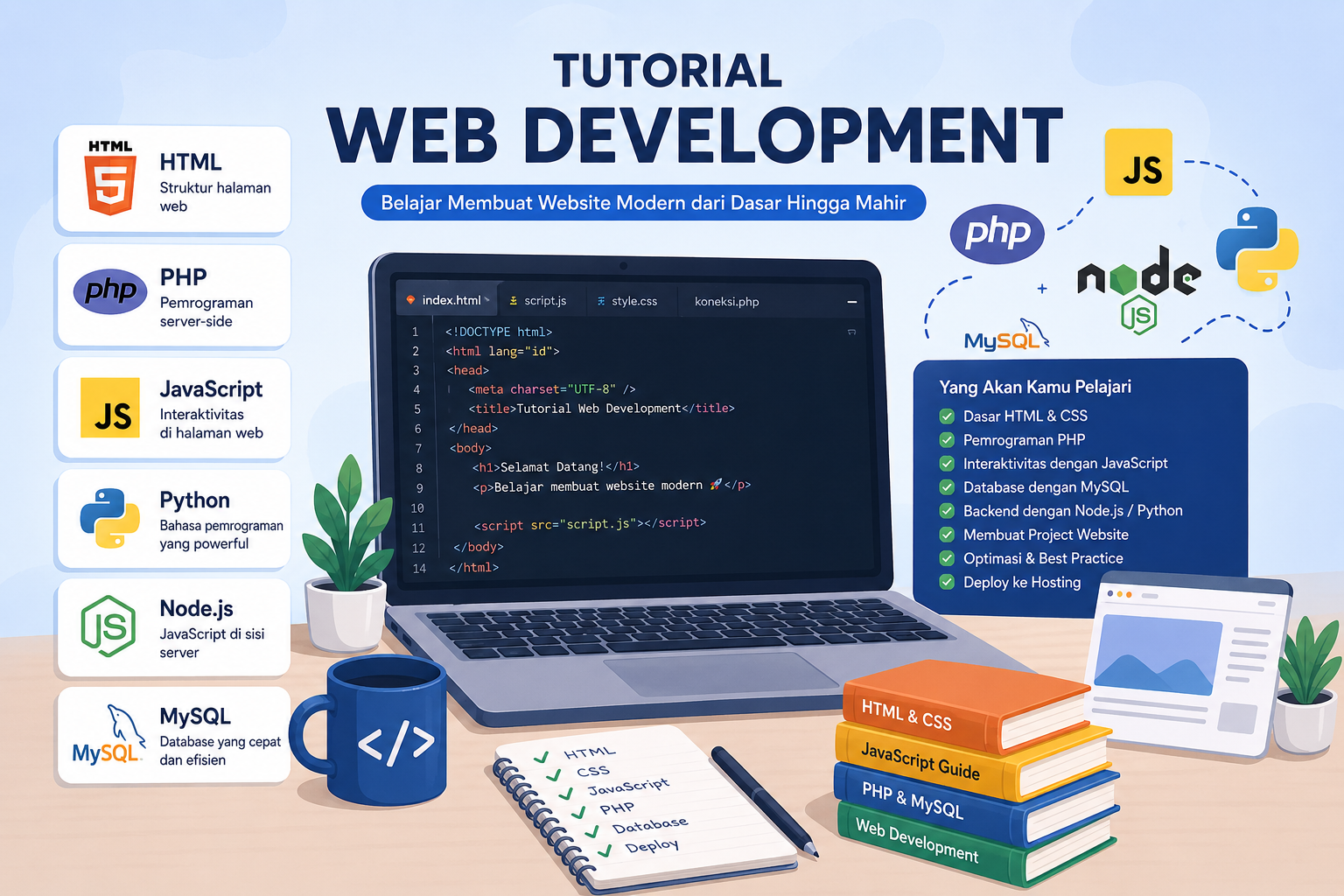
Case Study: Localized E-commerce Integration
A successful example is a WordPress plugin that integrates with Alibaba's logistics network to provide real-time shipping updates for Chinese customers. This plugin not only supports multiple languages but also complies with China's cybersecurity standards. By using APIs from local platforms and ensuring data privacy, developers can create solutions that resonate with both businesses and consumers in the region.
Challenges and Future Trends
Developers face challenges such as navigating China's Great Firewall and adapting to frequent policy changes. However, the future looks promising with the rise of blockchain-based plugins and AI-powered chatbots tailored for Chinese users. Staying ahead of these trends will require continuous innovation and collaboration with local experts.
In conclusion, WordPress plugin development for the Chinese market demands a strategic blend of cultural insight, technical expertise, and regulatory compliance. By prioritizing localization and leveraging cutting-edge technologies, developers can unlock new opportunities in this dynamic digital landscape.