Enhancing E-Commerce Engagement Through Innovative WordPress Plugin Development
WordPress plugin development has emerged as a cornerstone of modern e-commerce strategies, particularly in markets like China where digital commerce is rapidly evolving. As businesses seek to differentiate themselves in a saturated online marketplace, the ability to create custom plugins that address specific consumer behaviors and expectations is becoming critical. This article explores the strategic role of plugin development in enhancing user engagement, optimizing transactional processes, and integrating localized features that resonate with Chinese consumers.
Custom Plugin Development for E-Commerce Personalization
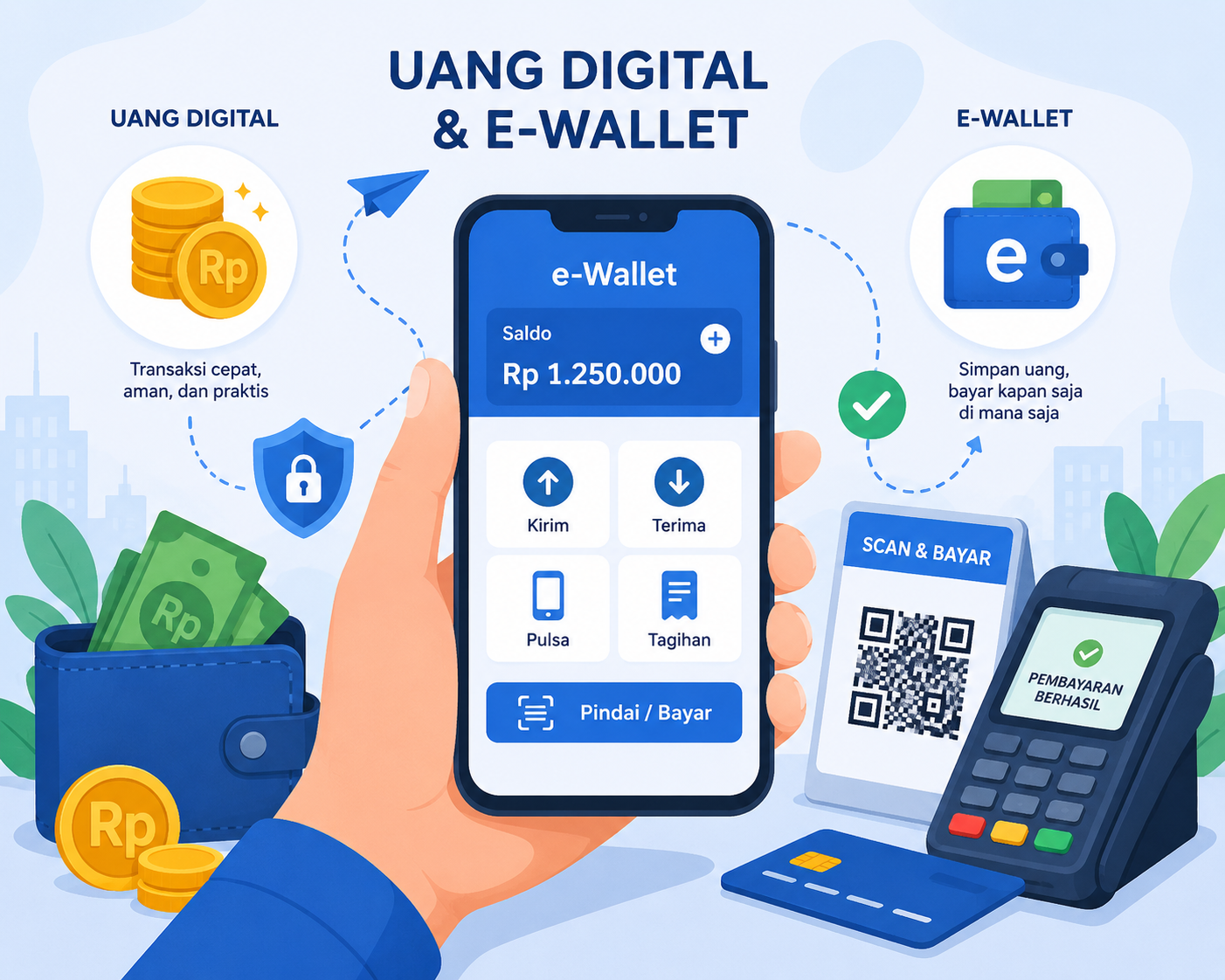
Chinese online shoppers exhibit unique preferences, such as a strong reliance on mobile platforms, a preference for integrated payment solutions, and a demand for seamless social media integration. Custom WordPress plugins can be engineered to address these behaviors. For instance, plugins that enable personalized shopping experiences through AI-driven recommendations or real-time inventory tracking can significantly improve conversion rates. A plugin might also integrate WeChat Pay or Alipay gateways directly into a WordPress storefront, eliminating friction in payment processing.
Localized Features and Compliance in Plugin Design
Developing plugins for the Chinese market requires adherence to regional regulations and cultural nuances. For example, data privacy laws in China necessitate plugins that anonymize user data while still providing personalized services. Additionally, plugins must support multiple payment methods and language options. A well-designed plugin could automatically adjust product descriptions to Mandarin when a user accesses the site from mainland China, leveraging geolocation APIs.
Plugin Architecture for Scalability and Performance
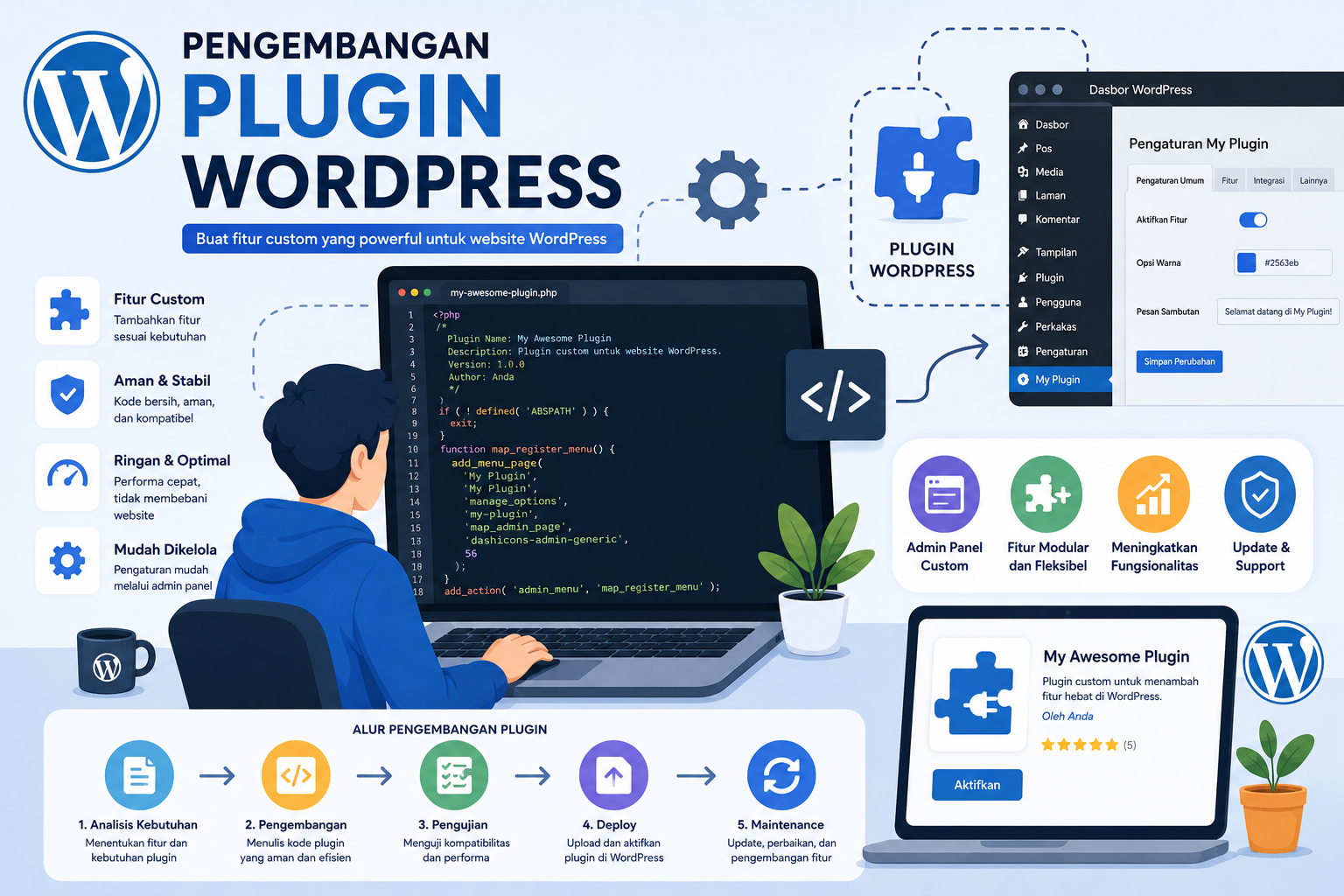
High-performance e-commerce sites rely on plugins that balance functionality with speed. Techniques such as lazy loading for product images or caching mechanisms can be embedded into plugins to ensure fast load times. Developers should also consider modular architecture, allowing businesses to activate only the necessary features (e.g., multi-vendor support, subscription models) without bloating their site with unused code. This approach aligns with digital transformation strategies that prioritize agility.
Case Study: Plugin-Driven Loyalty Programs
A notable example is the development of loyalty program plugins tailored for Chinese consumers. These plugins might integrate with popular platforms like Taobao or WeChat, enabling users to earn points for social media shares or referrals. Advanced analytics features within the plugin can track user behavior patterns, helping businesses refine their marketing strategies. Such plugins not only boost customer retention but also foster brand advocacy in a culture where social validation heavily influences purchasing decisions.
Challenges and Mitigation Strategies
Developers face challenges like ensuring cross-browser compatibility, maintaining SEO optimization post-plugin integration, and mitigating security risks. For instance, plugins handling sensitive payment data must include robust encryption protocols. Regular updates and thorough testing are essential to address vulnerabilities. Collaborating with cultural consultants can also help avoid design elements that might be misinterpreted in target markets.
Future Trends in WordPress Plugin Development
The future of e-commerce plugin development will likely focus on AI integration, such as chatbots for 24/7 customer support or dynamic pricing algorithms. Blockchain-based plugins for transparent supply chain tracking may also gain traction. Developers must stay ahead of these trends by adopting agile methodologies and continuously educating themselves on emerging technologies. Tools like the WordPress REST API will remain vital for creating interoperable plugins that connect with third-party services.
In conclusion, the strategic development of WordPress plugins is indispensable for businesses aiming to thrive in China's competitive e-commerce landscape. By prioritizing customization, compliance, and performance, developers can create tools that not only meet technical demands but also align with the cultural and economic context of their users.