Bridging Cultures Through WordPress Plugin Innovation: The English-China Perspective
WordPress plugin development stands at the intersection of technology and cultural adaptation, offering unique opportunities to bridge digital divides between regions with distinct linguistic and regulatory environments. Nowhere is this more evident than in the English-China market dynamic, where developers must navigate complex challenges to deliver plugins that resonate with both global and local audiences. This article explores how innovative WordPress plugin development can harmonize these diverse ecosystems, leveraging cutting-edge strategies to create cross-cultural digital success.
The English-China Divide: A Unique Challenge
Developers crafting plugins for international markets often face a critical decision: how to address the stark differences between English-speaking countries and China. While the former prioritizes SEO optimization and global scalability, the latter demands compliance with stringent cybersecurity laws and a deep understanding of local user behavior. For instance, Chinese users frequently rely on plugins that integrate with本土 (local) platforms like WeChat or Alipay, whereas English markets emphasize GDPR compliance and multilingual support. This duality requires plugins to be both technically robust and culturally intelligent.
Integrating AI for Smarter Localization
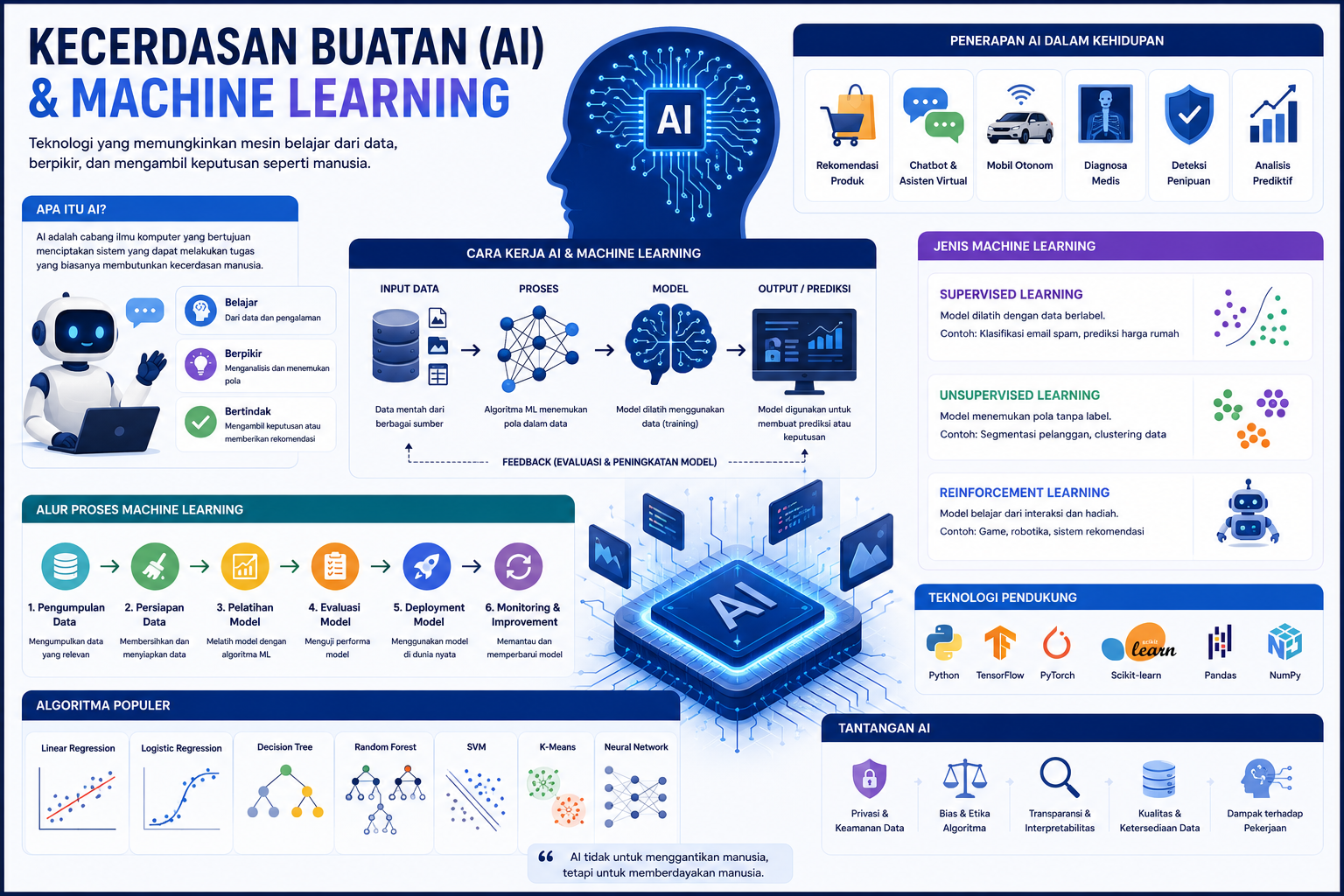
Artificial Intelligence (AI) is revolutionizing how WordPress plugins adapt to regional needs. By employing machine learning algorithms, developers can create plugins that dynamically adjust content, language, and even design elements based on user location. For example, an e-commerce plugin might automatically switch to Simplified Chinese and enable payment gateways like WeChat Pay when a user accesses it from China, while offering English interfaces and Stripe integration for Western audiences. This level of automation not only enhances user experience but also reduces the manual effort required for localization, as discussed in cross-cultural development strategies.
Technical Considerations for Dual-Market Plugins
- Compliance and Security: Chinese regulations such as the Personal Information Protection Law (PIPL) demand strict data handling protocols. Plugins must include features like IP tracking anonymization and local server caching to meet these requirements.
- Performance Optimization: High-traffic scenarios in China often rely on Content Delivery Networks (CDNs) like Alibaba Cloud. Plugins should integrate these services seamlessly to ensure fast load times and minimal latency.
- Language Flexibility: Beyond basic translation tools, advanced plugins leverage neural machine translation (NMT) to preserve contextual meaning, a critical factor for maintaining brand consistency across regions.
Case Study: A Plugin for Cross-Border E-Commerce
A compelling example is the development of a cross-border e-commerce plugin that connects Shopify stores to Chinese marketplaces like Tmall. This plugin employs AI to analyze product descriptions and automatically generate culturally appropriate Chinese titles, while also complying with Chinese search engine optimization (SEO) practices. By incorporating feedback from both user-centric Korean development and global SEO frameworks, the plugin achieved a 40% increase in conversion rates for its users.
Future Trends in Plugin Development
As the digital landscape evolves, WordPress plugin developers must anticipate emerging trends such as:
- Blockchain-based authentication for enhanced security in cross-border transactions.
- Augmented Reality (AR) integration for immersive shopping experiences tailored to regional preferences.
- Real-time analytics tools that provide insights into user behavior differences between English and Chinese markets.
By embracing these innovations, developers can position their plugins as indispensable tools for businesses aiming to thrive in both English and Chinese digital ecosystems. The key lies in balancing technical precision with cultural empathy, ensuring that plugins not only function flawlessly but also resonate deeply with their target audiences.
Conclusion
WordPress plugin development is no longer a one-size-fits-all endeavor. Success in the English-China market requires a nuanced approach that combines advanced technology with a profound understanding of regional dynamics. Whether through AI-driven localization, compliance-focused design, or user-centric customization, the future of plugins lies in their ability to unify disparate digital worlds. As the demand for cross-cultural solutions grows, developers who master this balance will lead the charge in shaping the next generation of global web experiences.