WordPress Plugin Development: Bridging Digital Divides with Cultural Sensitivity and Localized Innovation
In an increasingly interconnected world, WordPress stands as a universal platform, powering over 43% of all websites. Its open-source nature and robust extensibility, primarily through plugins, have fostered an unparalleled ecosystem of innovation. Yet, as the digital landscape expands, a critical challenge emerges: how do we ensure these digital solutions truly resonate with users across diverse cultural backgrounds? This article delves into WordPress plugin development through a unique lens: the art of bridging digital divides by embracing cultural sensitivity and fostering localized innovation. It's about moving beyond mere functionality to create plugins that genuinely connect with a global audience, one culturally nuanced interaction at a time.
The journey of WordPress plugin development is often perceived as a technical endeavor, a mastery of PHP, JavaScript, and database management. While these skills are foundational, true excellence in plugin development, especially for a global market, transcends mere coding. It evolves into a form of digital craftsmanship, where developers don the mantle of cultural architects. They don't just write code; they design interactions, anticipate needs, and resolve problems within specific cultural contexts. This perspective elevates the process from a purely technical task to an endeavor that demands empathy, foresight, and a deep understanding of human diversity. Indeed, it transforms WordPress plugin development into the art of shaping digital experiences, each line of code contributing to a richer, more inclusive web.
The Global Tapestry of WordPress: A Call for Cultural Acumen
WordPress's strength lies in its global adoption. From bustling metropolises to remote villages, individuals and organizations use WordPress to share ideas, conduct commerce, and build communities. This widespread usage means that a single plugin developed in one cultural context might encounter vastly different expectations and requirements when deployed in another. For instance, a payment gateway plugin designed for the Western market might fail spectacularly in regions where mobile payment systems like Alipay or WeChat Pay dominate. Similarly, a social sharing plugin that only integrates with Twitter and Facebook overlooks the massive user bases of platforms like Weibo, LINE, or KakaoTalk in East Asia.
To truly serve this global tapestry, plugin developers must recognize that their work is not just about functionality; it's about facilitating communication and interaction across cultural boundaries. This requires a shift in mindset, moving from a one-size-fits-all approach to one that prioritizes adaptability and relevance. It's an acknowledgment that users in Beijing might interact with a website differently than users in Berlin, or those in Bangkok. The challenge, and indeed the opportunity, lies in crafting solutions that are flexible enough to accommodate these differences, rather than imposing a monolithic design.
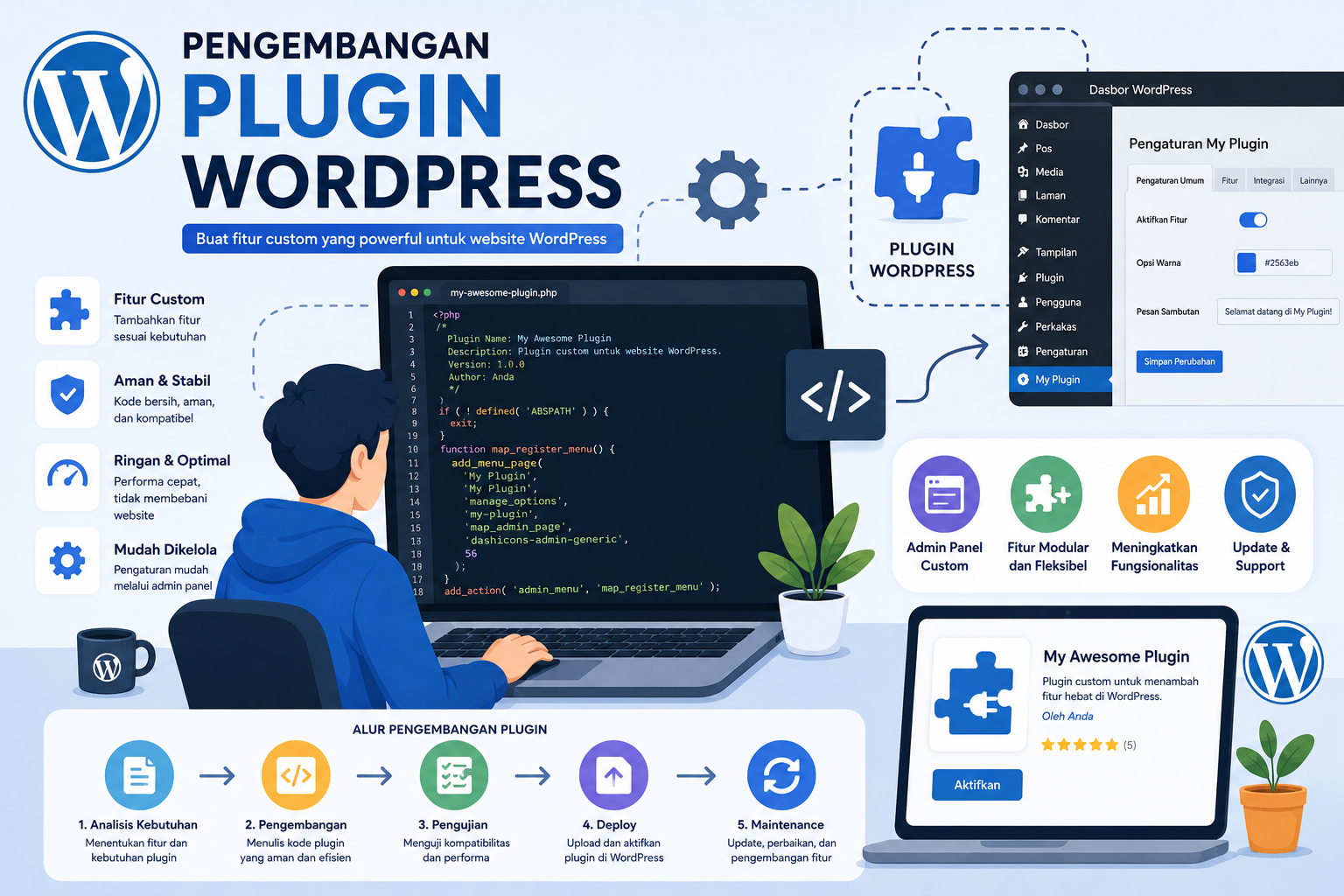
Beyond Translation: Embracing Cultural Nuances in Design and Functionality
Many developers equate localization with mere language translation. While vital, translating strings is only the tip of the iceberg. True cultural sensitivity in plugin development encompasses a much broader spectrum of considerations:
- Design Aesthetics and Visual Cues: Colors, iconography, layout, and even animation styles can carry vastly different meanings and appeal across cultures. What is considered modern and sleek in one region might be perceived as cold or unprofessional in another. For example, warm colors are often preferred in some Asian cultures, while minimalist designs are popular in others.
- User Experience (UX) Patterns: Navigation habits, expected workflows, and interaction models can vary. For instance, right-to-left (RTL) languages like Arabic and Hebrew require complete UI mirroring. Date and time formats, number separators, and currency symbols also need to be dynamically adjusted.
- Legal and Regulatory Compliance: Data privacy laws (like Europe's GDPR or China's PIPL), content filtering regulations, and e-commerce consumer protection laws differ significantly. Plugins handling user data or transactions must be designed with these varying legal landscapes in mind.
- Payment and Shipping Integrations: As mentioned, local payment gateways are crucial for e-commerce plugins. Shipping logistics, tax calculations, and address formats also vary widely by country.
- Social Media and Communication Platforms: Integrating with popular local social media platforms is essential for marketing, sharing, and customer support functionalities.
- Content Presentation: The way information is structured and consumed can also be culturally influenced. Some cultures prefer direct and concise communication, while others appreciate more contextual or elaborate explanations.
Recognizing and proactively addressing these nuances is what distinguishes a good plugin from a truly exceptional one that resonates globally. It requires developers to step out of their own cultural bubbles and engage in thorough research and empathetic design.
The Developer as a Cultural Architect
For a developer aiming to create plugins that bridge digital divides, the role extends beyond writing efficient code. They become a "cultural architect," tasked with understanding the diverse users who will interact with their creation. This involves:
- Market Research and User Personas: Deeply understanding the target markets, their preferences, pain points, and digital habits. Creating culturally specific user personas can help in empathizing with the end-users.
- Internationalization (i18n) from the Ground Up: Building a plugin with internationalization in mind from the very first line of code is paramount. This means using WordPress's `gettext` functions for all translatable strings, ensuring proper text domains, and supporting RTL languages.
- Leveraging Localization (l10n) Tools: Utilizing tools like Poedit or professional translation services to create and manage translation files (.po/.mo). Offering multiple language packs makes a plugin accessible to a broader audience.
- Adopting Flexible Design Principles: Designing UIs that are adaptable to different text lengths, fonts, and layouts. Avoiding hardcoding elements that might break in different cultural contexts.
- Seeking Diverse Feedback: Engaging with beta testers and users from various cultural backgrounds to gather feedback on usability, aesthetics, and cultural appropriateness. This feedback loop is invaluable for refining the plugin.
- Understanding Local Infrastructures: Considering varying internet speeds and device preferences. Optimizing for performance and mobile responsiveness is always important but critically so in regions with less robust internet infrastructure or where mobile-first access is dominant.
Embracing these principles allows developers to create plugins that are not just functional, but also intuitive, respectful, and genuinely useful to a worldwide audience. It’s a philosophy that aligns closely with mastering user experience through a deep understanding of user needs and cultural contexts, much like the "Omotenashi" spirit in Japanese hospitality.
Key Considerations for Culturally Sensitive Plugin Development
To put the theory into practice, here are specific areas to focus on during development:
1. Robust Internationalization and Localization (i18n & l10n)
This is the foundation. Every string that a user sees, including error messages, button labels, and descriptions, must be translatable. Use functions like `__('textdomain')`, `_e('textdomain')`, and `_n('textdomain')` consistently. Ensure your text domain is unique and correctly loaded. Provide clear documentation on how users can translate your plugin into their own languages.
2. Adapting User Interface (UI) and User Experience (UX) Design
Design should be flexible. Avoid fixed-width elements if possible, as translated text can be significantly longer or shorter than the original. Test your plugin with various fonts and character sets, especially for languages like Chinese, Japanese, Korean, or those using Cyrillic or Arabic scripts. Consider cultural connotations of colors and imagery. For example, red can signify luck and prosperity in China, but danger or warning in Western contexts.
3. Integration with Local Ecosystems and Services
This is where local relevance truly shines. For e-commerce plugins, research the dominant payment methods in your target regions (e.g., PayPal, Stripe, but also specific bank transfers, mobile wallets like M-Pesa in Africa, or Kakao Pay in Korea). For social sharing, integrate with local platforms. If your plugin deals with content, consider local search engines (like Baidu in China) and their indexing requirements. For contact forms, ensure phone number and address formats are flexible.
4. Performance and Infrastructure Considerations
Not all regions have high-speed internet. Optimize your plugin for speed and efficiency. Minimize file sizes, use asynchronous loading where possible, and consider compatibility with various hosting environments. If your plugin fetches external data, think about data centers' geographical locations and CDN (Content Delivery Network) usage to reduce latency for users worldwide.
5. Compliance and Regulatory Adherence
Data handling is a critical area. Understand local data privacy laws. In China, for example, the Personal Information Protection Law (PIPL) is stringent regarding data collection, storage, and cross-border transfer. Your plugin must offer mechanisms for users to consent to data collection, manage their data, and potentially request deletion, in compliance with various regulations.
The Future: A More Inclusive Web
Developing WordPress plugins with cultural sensitivity and localized innovation is not just a technical imperative; it's a step towards building a more inclusive and equitable web. When developers consciously design for diversity, they contribute to a digital world where language and cultural barriers diminish, allowing more people to access information, connect, and participate fully. This approach transforms plugins from mere tools into digital facilitators, enabling genuine global communication and commerce.
The demand for such thoughtfully designed plugins will only grow as the internet penetrates further into every corner of the globe. Developers who master this craft will not only expand their market reach but also earn the trust and loyalty of a diverse user base, solidifying their reputation as creators of truly universal solutions.
Conclusion
WordPress plugin development is a dynamic field, and its future lies in its ability to adapt and serve an increasingly diverse global audience. By adopting a mindset of cultural sensitivity and prioritizing localized innovation, developers can transcend simple coding to become architects of connection. This means meticulously considering everything from UI aesthetics and payment gateways to data compliance, ensuring that every plugin speaks to the user in a language they understand, both literally and culturally. The result is a richer, more accessible WordPress ecosystem that truly empowers users worldwide, bridging digital divides one thoughtfully crafted plugin at a time.