The Unique Perspective of WordPress Plugin Development in the Global and Local Context
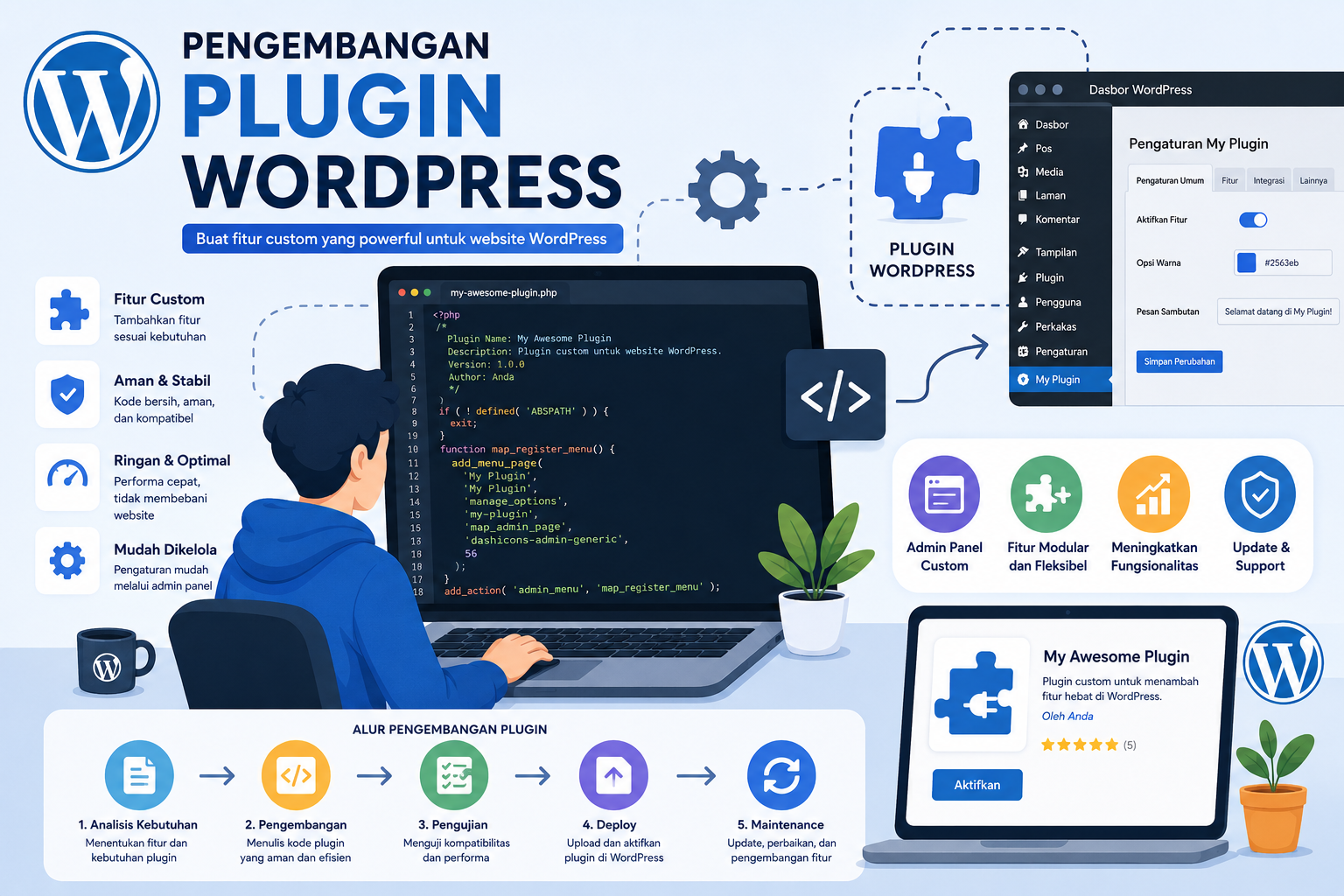
Introduction to WordPress Plugin Development
WordPress powers over 40% of websites globally, making plugin development a cornerstone of its ecosystem. Plugins extend functionality, from e-commerce integration to security enhancements. However, the field is not just about coding; it involves understanding user needs across diverse markets. In regions like Indonesia, developers must balance global trends with local cultural nuances, as highlighted in this case study, which explores how Indonesian developers adapt plugins to reflect traditional practices while leveraging international best practices.
Global Trends in Plugin Development
Modern WordPress plugins are increasingly influenced by technologies like AI and blockchain. For instance, AI-driven plugins automate content creation, while blockchain-based solutions enhance data security. Developers must stay updated with these advancements to remain competitive. The global market also emphasizes user-friendly interfaces and cross-platform compatibility, ensuring plugins work seamlessly on mobile and desktop environments.
Local Adaptations: The Case of China
China presents a unique challenge and opportunity for developers. Due to strict internet regulations, plugins must comply with local laws, such as data localization requirements. Additionally, Chinese users prioritize features like WeChat integration and multi-language support. Developers in this region often create plugins tailored for e-commerce platforms like Taobao and JD.com, addressing the need for localized payment gateways and logistics tracking. These adaptations highlight the importance of cultural and regulatory alignment in plugin design.
Challenges and Solutions in Plugin Development
- Scalability: Ensuring plugins perform efficiently on high-traffic websites requires optimized code and caching strategies.
- Security: Regular updates are critical to patch vulnerabilities, especially with the rise of automated hacking tools.
- Localization: Translating plugins into multiple languages while maintaining cultural relevance demands collaboration with local experts.
Future Directions
The future of WordPress plugin development lies in AI integration and sustainability. AI can automate tasks like SEO optimization and user analytics, while eco-friendly hosting solutions reduce carbon footprints. Developers must also focus on accessibility, ensuring plugins are usable by people with disabilities. As the digital landscape evolves, the balance between global innovation and local customization will define the success of WordPress plugins worldwide.

Conclusion
WordPress plugin development is a dynamic field that bridges global technological advancements with local market demands. By understanding cultural contexts and regulatory environments, developers can create solutions that are both innovative and practical. As seen in Indonesia’s approach to localization, the key to success lies in harmonizing universal standards with regional specifics. This balance not only enhances user experience but also drives the adoption of WordPress across diverse industries.