The Evolution of WordPress Plugin Development: A Global Perspective on Innovation and Localization
Introduction to WordPress Plugin Development
WordPress has long been a cornerstone of modern web development, powering over 40% of websites globally. At the heart of its success lies the WordPress plugin ecosystem, which allows developers to extend functionality, customize user experiences, and integrate advanced features without altering core code.
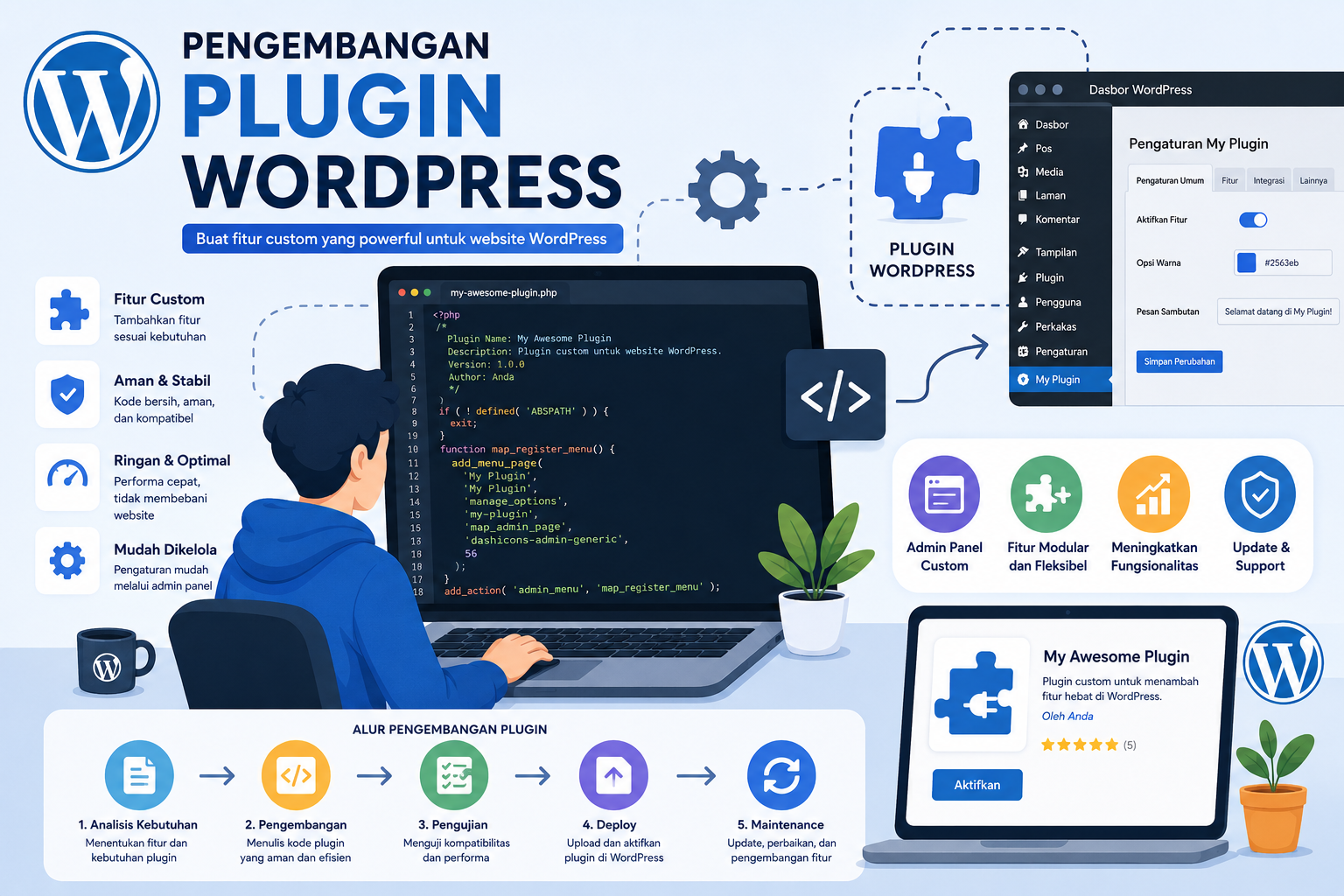
Plugin development is not merely about coding; it’s about understanding diverse markets and user needs. For instance, in Thailand, developers often design plugins that align with local cultural practices and regional business models. Similarly, in South Korea, plugins are tailored to integrate with mobile-first platforms and e-commerce systems, reflecting the country’s tech-driven economy.
Key Components of Effective WordPress Plugin Development
- Modular Architecture: A well-structured plugin uses hooks (actions and filters) to modify core WordPress behavior without conflicts.
- Security Compliance: Adherence to WordPress security guidelines, such as escaping user inputs and using nonces for form validation, is critical to prevent vulnerabilities.
- Localization Support: Plugins must support multiple languages and regional settings. For example, the Thai WordPress development community prioritizes plugins that cater to local dialects and cultural nuances.
Developers also leverage tools like the WordPress REST API to create headless CMS solutions, enabling seamless integration with mobile apps and external services. This adaptability is vital for businesses aiming to expand into emerging markets.
Case Study: Localized Plugin Solutions
A notable example is the OpenCart integration plugin developed for the Thai e-commerce sector. This plugin allows small businesses to synchronize inventory data between WordPress and OpenCart platforms, streamlining operations for local entrepreneurs. By incorporating features like Thai Baht currency formatting and shipping label generation for regional couriers, the plugin addresses specific needs of the market.
Similarly, in South Korea, plugins for real estate listings often include AI-driven property recommendation systems. These plugins utilize machine learning algorithms trained on regional housing data, offering users hyper-localized search results. Such innovations highlight how WordPress plugins can bridge the gap between global platforms and niche regional requirements.
Challenges and Future Trends
Despite its advantages, WordPress plugin development faces challenges such as compatibility issues across different WordPress versions and third-party tools. Developers must also navigate the balance between feature-richness and performance optimization, ensuring plugins do not slow down websites.
Looking ahead, the rise of AI and no-code platforms is reshaping the landscape. Tools like WPCode and Block Editor enhancements are empowering non-technical users to create custom plugins without coding. However, this democratization raises concerns about code quality and security, urging the community to establish stricter standards.
Another emerging trend is the integration of blockchain technology for digital rights management. Plugins are being developed to enable content creators to tokenize their work, ensuring royalty tracking and anti-plagiarism measures—a feature particularly popular in markets with high intellectual property theft rates.
Conclusion: Building a Sustainable Plugin Ecosystem
WordPress plugin development is a dynamic field driven by innovation, localization, and community collaboration. By addressing market-specific demands and embracing new technologies, developers can create solutions that resonate globally while respecting regional uniqueness. As the platform evolves, the focus will remain on fostering an ecosystem where creativity and technical excellence thrive hand-in-hand.
To stay competitive, developers should engage with communities like the Korean WordPress plugin network or the Thai WordPress developer forum, exchanging knowledge and best practices. This collaborative spirit is key to sustaining WordPress as a leader in the open-source web development arena.