Unveiling the Core: PPOB System Architecture & Logic | 揭秘核心:PPOB系统架构与逻辑
The rise of digital transactions has made Payment Point Online Banking (PPOB) systems indispensable in modern economies. These systems facilitate a wide array of bill payments and digital purchases, bridging the gap between consumers, service providers, and financial institutions. However, the seamless user experience often conceals a sophisticated underlying infrastructure. This article delves deep into the intricate architecture and critical business logic that power PPOB systems, offering a unique perspective on their design principles and operational complexities.
数字交易的兴起使得在线支付系统(PPOB)在现代经济中不可或缺。这些系统促进了各种账单支付和数字购买,连接了消费者、服务提供商和金融机构。然而,流畅的用户体验背后往往隐藏着复杂的底层基础设施。本文将深入探讨PPOB系统赖以运行的精细架构和关键业务逻辑,对其设计原则和操作复杂性提供独特的视角。
Understanding PPOB: More Than Just Payments | 理解PPOB:不仅仅是支付
At its heart, a PPOB system is an aggregator and facilitator. It consolidates various biller services—electricity, water, telephone, internet, credit top-ups, and more—into a single platform, allowing users to make payments conveniently. The 'online' aspect signifies its real-time processing capabilities, demanding robust architecture and flawless logic to ensure security, accuracy, and speed. From a user's perspective, it's a simple tap or click; from a system's perspective, it's a complex orchestration of data, transactions, and secure communications.
PPOB系统的核心是一个聚合器和促进者。它将各种账单服务——电力、水、电话、互联网、信用充值等——整合到一个单一平台,方便用户进行支付。“在线”方面意味着其实时处理能力,这要求强大的架构和无懈可击的逻辑,以确保安全性、准确性和速度。从用户的角度来看,这只是简单的点击或触摸;而从系统的角度来看,它是一场复杂的数据、交易和安全通信的协调。
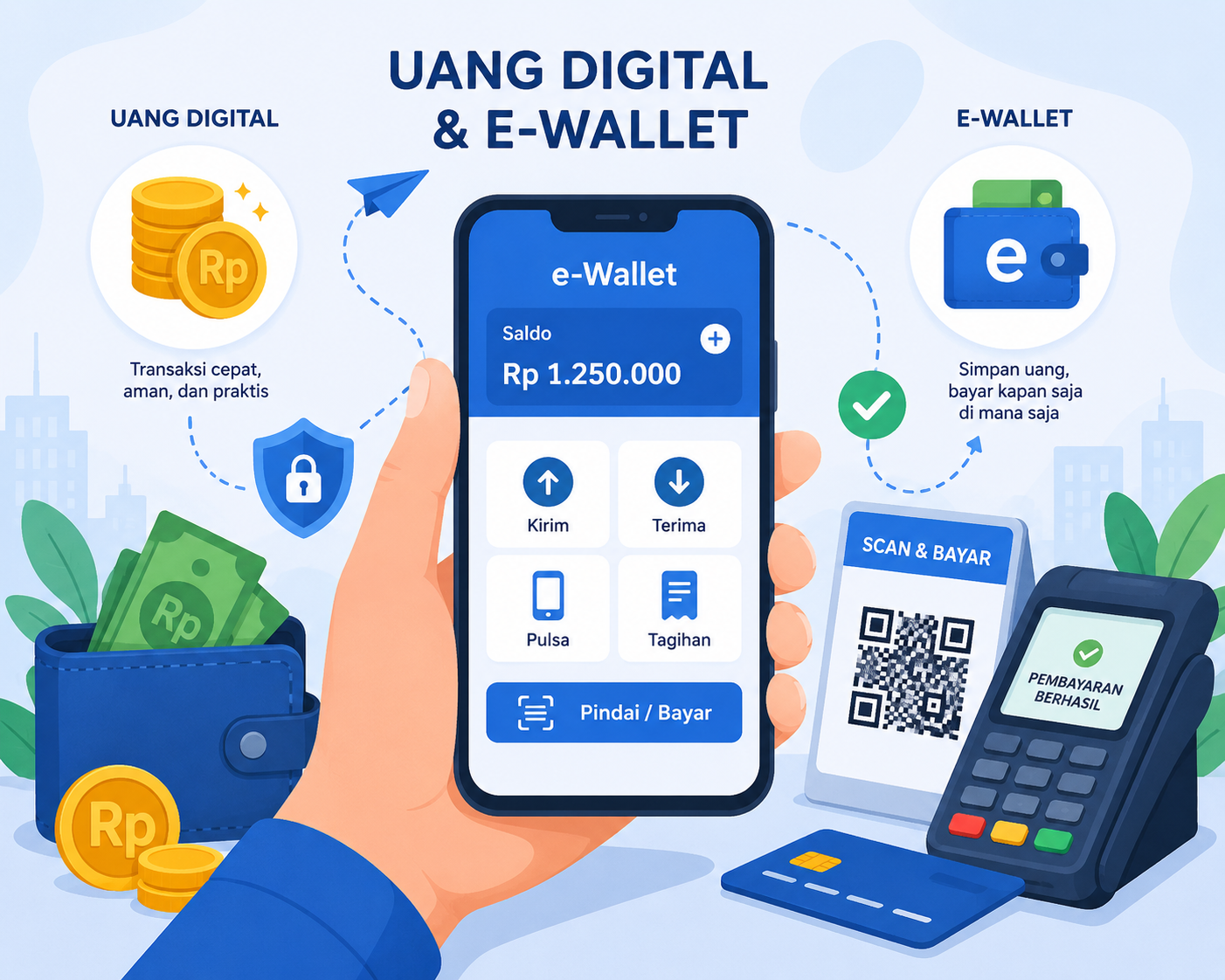
The Architectural Blueprint of a PPOB System | PPOB系统的架构蓝图
The robust operation of a PPOB system hinges on a multi-layered architecture, each component playing a vital role in processing transactions and ensuring data integrity. Here's a breakdown of the typical architecture:
PPOB系统的稳健运行依赖于多层架构,每个组件在处理交易和确保数据完整性方面都扮演着至关重要的角色。以下是典型架构的细分:
1. User Interface (UI) Layer | 用户界面层
- Web & Mobile Applications: These are the primary touchpoints for end-users, agents, and administrators. They must be intuitive, secure, and responsive, offering functionalities for bill inquiry, payment, transaction history, and reporting.
- 网页和移动应用程序: 这些是终端用户、代理和管理员的主要接触点。它们必须直观、安全、响应迅速,提供账单查询、支付、交易历史和报告等功能。
2. Application Server Layer | 应用服务器层
- Business Logic Engine: This is the brain of the PPOB system, housing all the core business rules for transaction processing, fee calculation, user management, and agent commission. It orchestrates the flow of data between the UI, payment gateway, and database.
- 业务逻辑引擎: 这是PPOB系统的大脑,包含所有核心业务规则,用于交易处理、费用计算、用户管理和代理佣金。它协调用户界面、支付网关和数据库之间的数据流。
- API Management: Exposing well-documented APIs allows for integration with various third-party systems, such as e-wallets, banking applications, or enterprise resource planning (ERP) systems, expanding the reach and utility of the PPOB platform.
- API管理: 开放良好的API文档使得可以与各种第三方系统集成,例如电子钱包、银行应用程序或企业资源规划(ERP)系统,从而扩展PPOB平台的覆盖范围和实用性。
3. Payment Gateway/Switch Layer | 支付网关/交换层
- Biller Integrations: This crucial component acts as an intermediary, connecting the PPOB system to various biller systems (e.g., utility companies, telcos). It translates the PPOB system's requests into the specific formats required by each biller and vice-versa.
- 账单方集成: 这个关键组件充当中间人,将PPOB系统连接到各种账单方系统(例如,公用事业公司、电信公司)。它将PPOB系统的请求转换为每个账单方所需的特定格式,反之亦然。
- Financial Institution Links: It also connects to banks, payment processors, and other financial institutions for fund transfers, settlements, and reconciliation.
- 金融机构连接: 它还连接到银行、支付处理商和其他金融机构,用于资金转账、结算和对账。
4. Database Layer | 数据库层
- Transaction Records: Stores every detail of each transaction, including timestamps, amounts, statuses, participant IDs, and payment methods. This data is critical for auditing, reporting, and dispute resolution.
- 交易记录: 存储每笔交易的所有细节,包括时间戳、金额、状态、参与者ID和支付方式。这些数据对于审计、报告和争议解决至关重要。
- User & Biller Data: Manages user profiles, agent accounts, biller configurations, and product catalogs.
- 用户和账单方数据: 管理用户配置文件、代理账户、账单方配置和产品目录。
5. Security & Monitoring Layer | 安全与监控层
- Encryption & Authentication: Implements robust encryption protocols (e.g., SSL/TLS) for data in transit and at rest, along with multi-factor authentication (MFA) for user access.
- 加密与认证: 对传输中和静态数据实施强大的加密协议(例如SSL/TLS),并为用户访问提供多因素认证(MFA)。
- Fraud Detection: Utilizes rule-based systems or intelligent algorithms to identify and prevent suspicious transactions.
- 欺诈检测: 利用基于规则的系统或智能算法识别并预防可疑交易。
- Logging & Auditing: Comprehensive logging of all system activities is essential for security audits, troubleshooting, and compliance.
- 日志记录与审计: 全面记录所有系统活动对于安全审计、故障排除和合规性至关重要。
The Intricate Logic: How PPOB Transactions Flow | 复杂的逻辑:PPOB交易如何流动
Beyond the architectural components, the core logic defines how a PPOB system processes a transaction from initiation to completion. This sequential yet complex flow ensures reliability and consistency.
除了架构组件之外,核心逻辑定义了PPOB系统如何处理从发起开始到完成的交易。这种顺序但复杂的流程确保了可靠性和一致性。
1. Transaction Initiation | 交易发起
A user initiates a payment via the UI, selecting a biller and inputting necessary details (e.g., account number, amount). The UI sends this request to the Application Server.
用户通过用户界面发起支付,选择一个账单方并输入必要的信息(例如,账户号码、金额)。用户界面将此请求发送到应用服务器。
2. Validation & Authorization | 验证与授权
The Application Server first validates the user's input for correctness and checks their available balance or payment method. If the user is an agent, it also verifies their permissions and commission structure. Authorization for the transaction is then sought.
应用服务器首先验证用户输入是否正确,并检查其可用余额或支付方式。如果用户是代理,它还会验证其权限和佣金结构。然后寻求交易授权。
3. Biller Inquiry | 账单查询
For most bill payments, the PPOB system needs to inquire about the current bill amount from the respective biller system. The Application Server sends a request via the Payment Gateway to the biller's API. The biller system responds with the due amount and other relevant details.
对于大多数账单支付,PPOB系统需要从相应的账单方系统查询当前的账单金额。应用服务器通过支付网关向账单方的API发送请求。账单方系统回复应付金额和其他相关详细信息。
4. Payment Execution | 支付执行
Once the bill details are retrieved and confirmed by the user, the PPOB system proceeds with the payment. This typically involves:
- Debit User Account: The user's digital wallet or linked bank account is debited.
- Credit PPOB Settlement Account: The funds are temporarily held in the PPOB system's settlement account.
- Instruction to Biller: A payment instruction is sent to the biller system via the Payment Gateway, notifying them that payment has been made for the specified account.
一旦账单详情被检索并经用户确认,PPOB系统将执行支付。这通常包括:
- 借记用户账户: 用户的数字钱包或关联银行账户被借记。
- 贷记PPOB结算账户: 资金暂时保留在PPOB系统的结算账户中。
- 向账单方发出指令: 通过支付网关向账单方系统发送支付指令,通知他们已为指定账户付款。
5. Confirmation & Notification | 确认与通知
Upon successful payment and acknowledgment from the biller, the PPOB system updates the transaction status in its database. A confirmation is sent back to the user via the UI, SMS, or email. The biller system also typically provides an updated status for the customer's account.
支付成功并得到账单方确认后,PPOB系统会更新其数据库中的交易状态。通过用户界面、短信或电子邮件向用户发送确认。账单方系统通常也会提供客户账户的更新状态。
6. Reconciliation & Settlement | 对账与结算
This is a critical backend process, usually performed periodically (e.g., daily). It involves matching all recorded transactions against the actual funds received and disbursed. The PPOB system then settles funds with billers and financial partners, deducting its service fees and agent commissions. This ensures financial accuracy and transparency.
这是一个关键的后端流程,通常定期(例如每天)执行。它涉及将所有记录的交易与实际收到和支出的资金进行匹配。然后PPOB系统与账单方和金融合作伙伴进行资金结算,扣除其服务费和代理佣金。这确保了财务的准确性和透明度。
7. Error Handling & Rollback | 错误处理与回滚
In any complex system, errors are inevitable. A robust PPOB system includes sophisticated error handling mechanisms. If a transaction fails at any stage (e.g., network issues, biller system downtime, insufficient funds), the system must be able to:
- Identify the point of failure.
- Communicate the failure clearly to the user and relevant parties.
- Initiate a rollback of any partially completed actions to maintain data consistency (e.g., refund debited amounts).
- Provide mechanisms for manual intervention and dispute resolution.
在任何复杂的系统中,错误都是不可避免的。一个强大的PPOB系统包含复杂的错误处理机制。如果交易在任何阶段失败(例如,网络问题、账单方系统停机、资金不足),系统必须能够:
- 识别故障点。
- 清晰地向用户和相关方传达故障。
- 启动任何部分完成操作的回滚,以保持数据一致性(例如,退还借记金额)。
- 提供手动干预和争议解决的机制。
Unique Challenges and Future Outlook | 独特的挑战与未来展望
The PPOB landscape presents unique challenges that shape its architectural and logical evolution:
PPOB领域面临着独特的挑战,这些挑战塑造了其架构和逻辑的演变:
- Scalability: PPOB systems must handle fluctuating, often high, transaction volumes, especially during peak hours or month-end. The architecture needs to be horizontally scalable, leveraging cloud technologies and microservices.
- 可扩展性: PPOB系统必须处理波动的、通常很高的交易量,尤其是在高峰时段或月底。架构需要横向扩展,利用云技术和微服务。
- Security: Dealing with financial transactions and personal data mandates the highest levels of security against cyber threats, fraud, and data breaches.
- 安全性: 处理金融交易和个人数据要求最高级别的安全性,以防范网络威胁、欺诈和数据泄露。
- Interoperability: Integrating with a myriad of disparate biller systems, each with its own API and data format, is a constant challenge that requires flexible and adaptable gateway components.
- 互操作性: 与众多不同的账单方系统集成,每个系统都有自己的API和数据格式,这是一个持续的挑战,需要灵活适应的网关组件。
- Real-time Demands: Consumers expect instant confirmation for their payments, pushing systems to optimize for speed and low latency.
- 实时需求: 消费者期望支付能够即时确认,这促使系统优化速度和低延迟。
- Regulatory Compliance: PPOB systems operate within strict financial regulations, requiring meticulous adherence to Know Your Customer (KYC), Anti-Money Laundering (AML), and data privacy laws.
- 法规遵从: PPOB系统在严格的金融法规下运行,需要一丝不苟地遵守“了解你的客户”(KYC)、反洗钱(AML)和数据隐私法。
Looking ahead, PPOB systems are poised for further evolution. The integration of advanced technologies like blockchain for transparent settlements, artificial intelligence for enhanced fraud detection and personalized services, and the expansion into decentralized finance (DeFi) offers exciting avenues for innovation. These advancements will not only enhance the efficiency and security of PPOB but also expand its reach and capabilities, solidifying its role as a cornerstone of digital commerce.
展望未来,PPOB系统将迎来进一步的演变。诸如区块链用于透明结算、人工智能用于增强欺诈检测和个性化服务,以及向去中心化金融(DeFi)的扩展等先进技术的整合,为创新提供了激动人心的途径。这些进步不仅将提高PPOB的效率和安全性,还将扩大其覆盖范围和能力,巩固其作为数字商务基石的作用。
Conclusion | 结论
The architecture and logic of PPOB systems are a testament to the sophistication required to manage high-volume, secure financial transactions. From the user-friendly interface to the complex backend orchestrating numerous integrations and critical business rules, every layer is meticulously designed to ensure reliability, efficiency, and trust. As digital economies continue to grow, understanding these underlying mechanisms becomes crucial for developers, businesses, and policymakers alike, ensuring that PPOB systems remain robust and adaptable to future demands.
PPOB系统的架构和逻辑证明了管理大批量、安全金融交易所需的复杂性。从用户友好的界面到协调众多集成和关键业务规则的复杂后端,每一层都经过精心设计,以确保可靠性、效率和信任。随着数字经济的持续增长,理解这些底层机制对于开发人员、企业和政策制定者都变得至关重要,确保PPOB系统在未来需求面前保持强大和适应性。