WordPress Plugin Development: Integrating AI Innovation with Chinese Market Trends
Introduction to WordPress Plugin Development
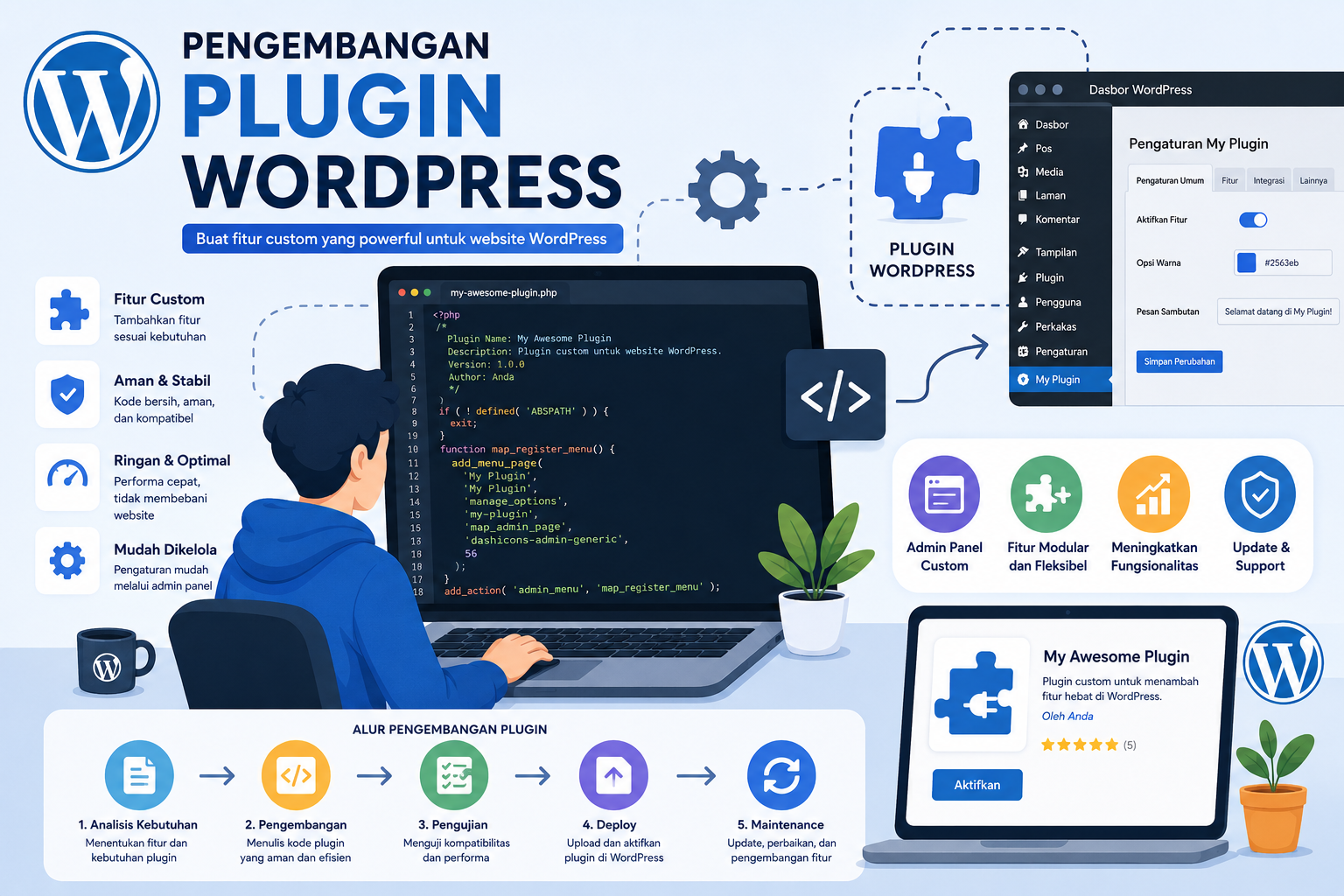
WordPress plugin development is a cornerstone of modern web customization, empowering users to extend functionality beyond default capabilities. With over 60 million websites powered by WordPress, plugins play a pivotal role in shaping user experiences. In China, where digital regulation is stringent and user preferences are distinct, developers must navigate unique challenges. The integration of AI technology has emerged as a transformative force, enabling plugins to adapt dynamically to local needs while maintaining global scalability.
AI: A Game-Changer in Plugin Development
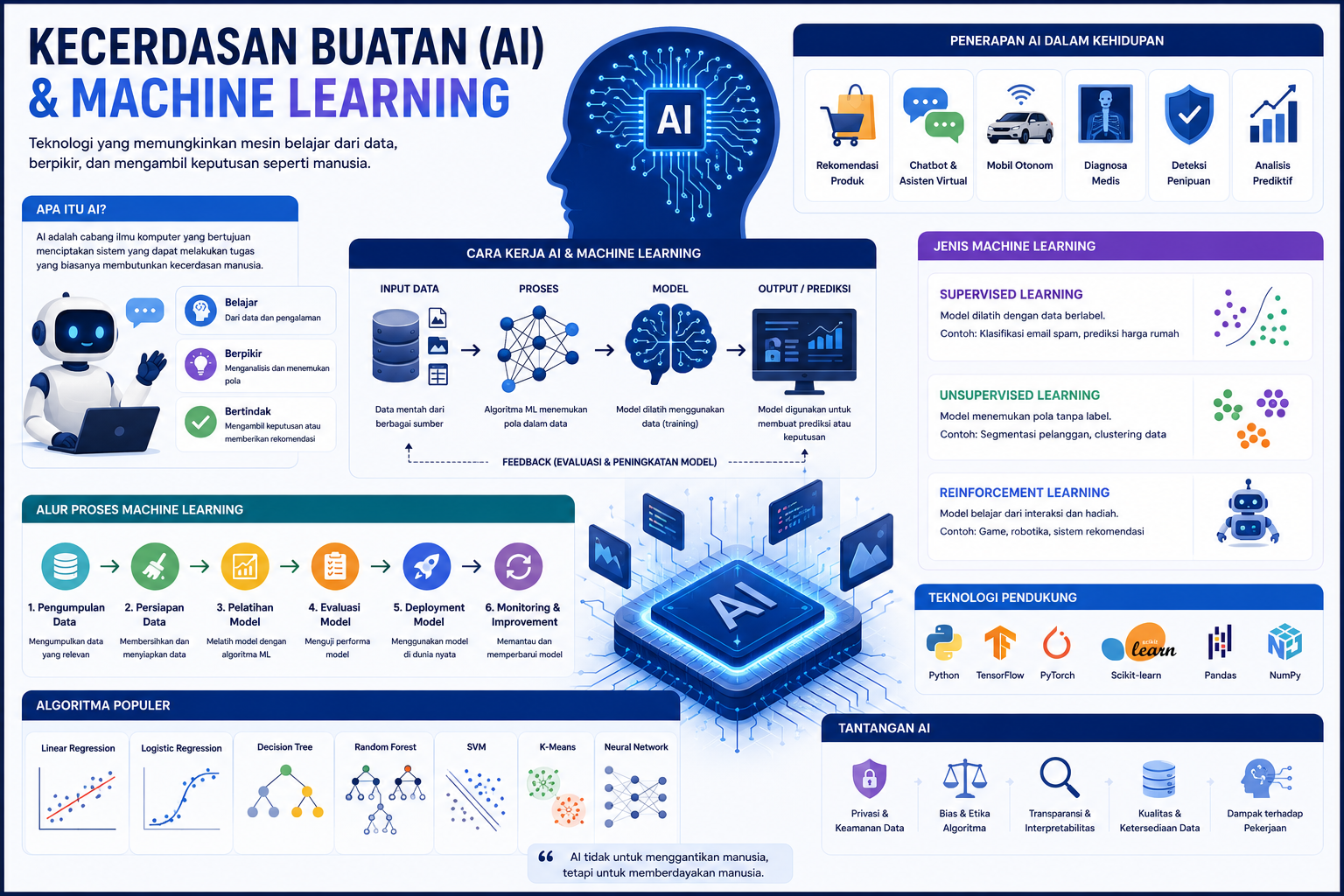
Artificial Intelligence (AI) is revolutionizing WordPress plugin development by automating tasks, enhancing user engagement, and optimizing performance. For instance, AI-driven plugins can analyze user behavior to suggest content improvements or automate customer service via chatbots. In the Chinese market, where platforms like WeChat dominate, AI-powered plugins are designed to integrate seamlessly with local ecosystems, ensuring compliance with data privacy laws such as the Personal Information Protection Law (PIPL).
Key Applications of AI in Chinese Market Plugins
- Automated Content Generation: AI tools like GPT-4 enable plugins to generate localized content in Chinese, reducing development time and ensuring cultural relevance.
- Smart Chatbots: Plugins leverage AI to provide 24/7 customer support in Mandarin, a critical feature for e-commerce sites targeting Chinese consumers.
- SEO Optimization: AI algorithms analyze search trends specific to Chinese platforms, optimizing keywords for Baidu and other local search engines.
- Security Enhancements: Machine learning models detect suspicious activities, aligning with China’s cybersecurity regulations.
For example, a plugin like AI-Driven Localization Tools can automatically translate content into Chinese while preserving context, a critical feature for global businesses entering the Chinese market.
Challenges and Ethical Considerations
Despite its benefits, AI integration in plugins raises concerns about data privacy and algorithmic bias. Developers must ensure transparency in how user data is processed, especially under China’s strict digital governance framework. Additionally, over-reliance on AI could lead to homogenous user experiences, undermining the creativity highlighted in sustainable localization strategies.
Future Outlook
As AI evolves, WordPress plugins will become smarter, with features like predictive analytics and voice-activated interfaces. Chinese developers are poised to lead in creating AI-native plugins that cater to both domestic and international audiences. However, balancing innovation with ethical standards will remain a priority. By embracing AI responsibly, the WordPress ecosystem can achieve a harmonious blend of technology and cultural relevance.
For developers, the key takeaway is clear: AI is not just a trend but a necessity for staying competitive in the global market, especially in regions with unique regulatory landscapes like China.