The Unseen Nexus: Deconstructing PPOB System Architecture and Logic for Seamless Digital Transactions
In an increasingly digital world, the ease with which we pay bills and conduct various financial transactions often masks an intricate underlying infrastructure. Behind every tap on a smartphone or click on a payment portal lies a sophisticated ecosystem known as PPOB (Payment Point Online Bank) system. While the term PPOB originated in Indonesia to describe systems facilitating bill payments through online bank channels, its architectural principles and operational logic are universally applicable to any robust digital bill payment system globally, including those powering giants in China's digital economy. This article delves into the core architecture and intricate logic that enable PPOB systems to function as the invisible engines of digital finance, offering a unique perspective on their design for unparalleled resilience, scalability, and seamless user experience.
The Foundation of Digital Payments: Understanding PPOB Systems
At its heart, a PPOB system is a comprehensive platform that allows users to pay various bills and make purchases – ranging from electricity, water, internet, and phone bills to insurance premiums and e-commerce transactions – through a single, integrated channel. This consolidation simplifies the payment process for end-users and provides a centralized platform for billers to collect payments efficiently. The true genius of a PPOB system, however, lies not in its functionality alone, but in the meticulous design of its architecture and the precise logic governing every transaction.
These systems are critical for fostering digital financial inclusion, especially in economies where traditional banking access might be limited. By providing accessible and reliable payment channels, PPOB systems bridge gaps, empowering individuals and businesses to participate fully in the digital economy. The complexity behind these systems requires a robust and scalable architecture to handle massive transaction volumes and diverse service offerings.
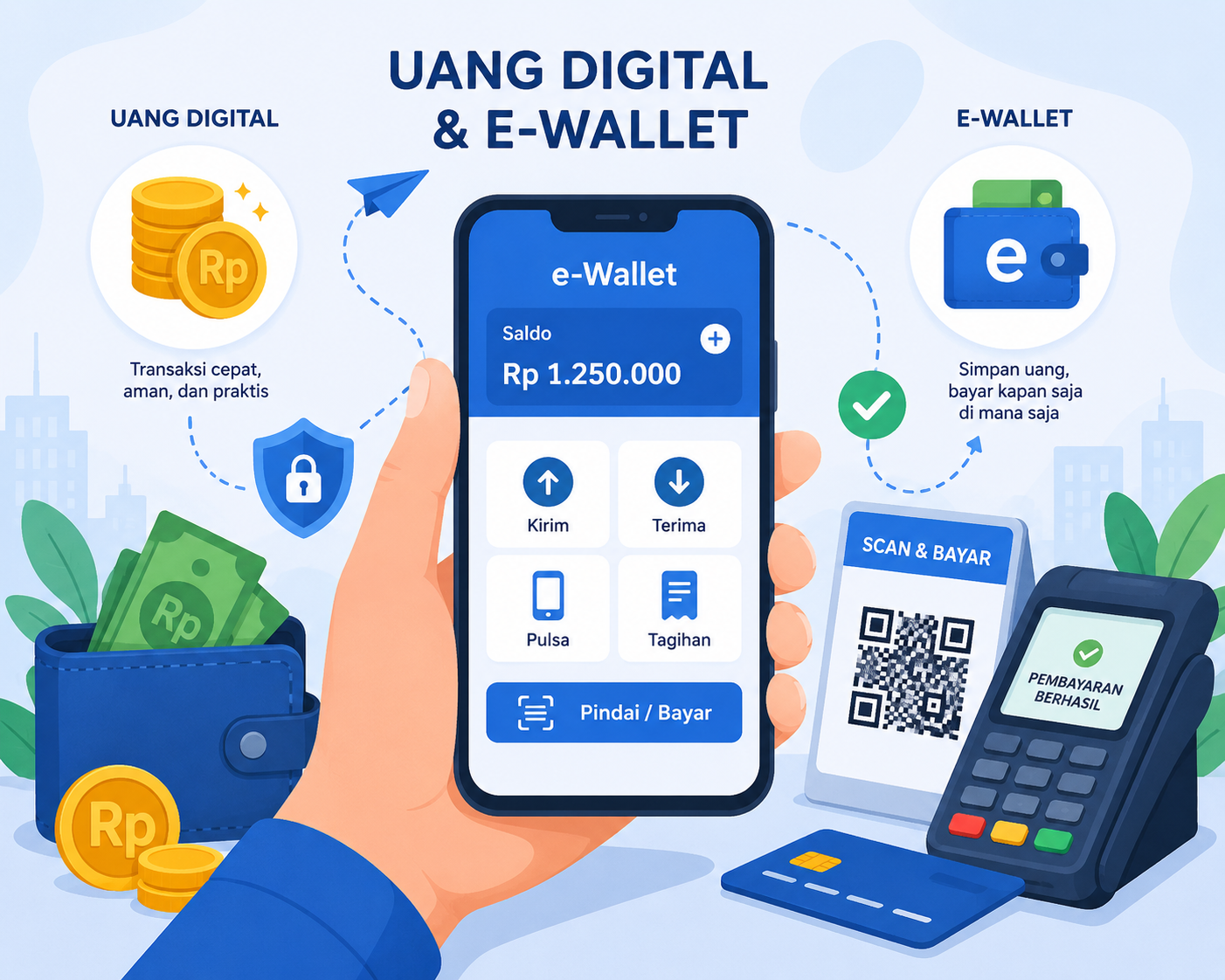
Deconstructing the PPOB System Architecture
A well-designed PPOB system is typically built on a multi-layered architecture, each layer performing specific functions to ensure efficiency, security, and reliability. Understanding these layers is key to appreciating the "unseen nexus" that connects diverse financial entities.
1. User Interface (UI) / Presentation Layer
This is the outermost layer, directly interacting with end-users. It can take many forms:
- Mobile Applications: Native apps for iOS and Android, offering rich features and push notifications.
- Web Portals: Responsive websites accessible via browsers for broader reach.
- Physical Kiosks/Terminals: Self-service stations, common in agents or retail outlets, particularly in regions like Indonesia where PPOB agents play a significant role.
- API for Third-Party Integrations: Allowing other applications (e.g., e-commerce platforms, banking apps) to offer PPOB services.
The primary goal of this layer is to provide an intuitive, secure, and fast user experience, abstracting away the underlying complexity of the payment process.
2. Application / Business Logic Layer
Serving as the brain of the PPOB system, this layer processes all business rules, validates requests, and orchestrates the transaction flow. It comprises several critical modules:
- Transaction Processing Engine: The core component responsible for managing the lifecycle of each payment, from initiation to completion. It handles request validation, routing, and status updates.
- Biller Management Module: Manages information about various billers (e.g., utility companies, telecommunications providers), including their unique APIs, payment schedules, and commission structures.
- Wallet/Account Management: For systems that include digital wallets or user accounts, this module manages balances, top-ups, and withdrawals.
- Fraud Detection Module: Employs algorithms and rules to identify and flag suspicious transactions, enhancing security.
- Reporting & Analytics Module: Gathers data for real-time monitoring, reconciliation, and generating business intelligence reports for operators and billers.
This layer often leverages microservices architecture to enhance scalability, maintainability, and allow for independent deployment of services.
3. Integration / API Gateway Layer
This is arguably the most crucial layer for a PPOB system's broad functionality. It acts as a universal translator and gateway, connecting the internal business logic with external systems:
- Biller APIs: Connects to the proprietary systems of various service providers (electricity companies, phone operators, etc.) to inquire about bill details and confirm payments.
- Payment Gateway APIs: Integrates with banks, credit card processors, and other payment service providers to facilitate fund transfers.
- External Data Sources: May connect to identity verification services or other third-party APIs for enhanced functionality.
A robust API gateway ensures secure, standardized, and efficient communication between disparate systems, managing API keys, rate limits, and data transformations. This layer is vital for the seamless systematic design driving digital payments and ensures high interoperability.
4. Data Layer
This layer is responsible for persistent storage and retrieval of all critical information, ensuring data integrity and availability. It typically includes:
- Relational Databases (e.g., PostgreSQL, MySQL): For structured data like user profiles, biller details, transaction logs, and audit trails.
- NoSQL Databases (e.g., MongoDB, Redis): For high-volume, unstructured data, or caching to improve performance.
- Data Warehouses: For long-term storage and complex analytical queries.
Database design is paramount for scalability and transaction speed, requiring careful indexing and optimization strategies.
5. Security Layer
Security is not just a layer but an omnipresent concern across all components. Dedicated security features include:
- Encryption: Protecting data in transit (TLS/SSL) and at rest (disk encryption, database encryption).
- Authentication & Authorization: Verifying user identities and controlling access to resources (e.g., OAuth2, JWT).
- Tokenization: Replacing sensitive data (like card numbers) with non-sensitive tokens to reduce security risks.
- Firewalls & Intrusion Detection/Prevention Systems (IDPS): Protecting the network infrastructure from external threats.
- Regular Security Audits & Penetration Testing: Proactive measures to identify and mitigate vulnerabilities.
The Logical Flow of a PPOB Transaction: A Step-by-Step Journey
Understanding the logic of a single transaction reveals the intricate dance between these architectural components:
- User Initiates Request: A user selects a biller (e.g., electricity), enters their account number, and requests to check the bill amount via the UI layer (e.g., mobile app).
- Request Validation & Routing: The Application layer receives the request, validates basic parameters (e.g., valid account format), and routes it to the appropriate Biller Management Module.
- Biller Inquiry: The Integration layer translates the request into the biller's specific API format and sends an inquiry to the biller's system to retrieve the outstanding bill amount.
- Response from Biller: The biller's system returns the bill details (amount, due date, customer name) through the Integration layer.
- Display to User: The Application layer processes the biller's response, and the UI layer displays the bill details to the user for confirmation.
- User Confirmation & Payment Authorization: The user confirms the payment and selects a payment method (e.g., digital wallet, bank transfer). The Application layer authorizes the transaction, checking for sufficient funds.
- Fund Transfer Initiation: The Integration layer initiates the fund transfer process with the selected payment gateway or bank.
- Payment Confirmation: Upon successful fund transfer, the payment gateway/bank confirms the transaction. The Integration layer relays this success back to the Application layer.
- Biller Update: The Application layer then sends a payment confirmation to the biller's system via the Integration layer, indicating the bill has been paid.
- Transaction Completion & Notification: The Data layer records the complete transaction details. The UI layer displays a success message to the user, often accompanied by a transaction receipt or notification.
- Reconciliation: In the background, the Reporting & Analytics module initiates reconciliation processes with the biller and payment gateway to ensure all funds are accounted for.
Key Architectural Principles and Challenges
Designing and maintaining a PPOB system involves addressing several critical challenges:
- Scalability: PPOB systems must handle fluctuating and often massive transaction volumes, especially during peak hours or month-ends. Architectures often employ horizontal scaling, load balancing, and asynchronous processing queues to manage this. Cloud-native designs and microservices are increasingly adopted for elasticity.
- Resilience and High Availability: Downtime in a payment system is unacceptable. Redundancy at every layer, failover mechanisms, disaster recovery plans, and self-healing systems are crucial to ensure continuous operation.
- Security: Protecting sensitive financial data from cyber threats is paramount. Multi-factor authentication, robust encryption, regular vulnerability assessments, and compliance with industry standards (e.g., PCI DSS for card payments) are non-negotiable.
- Interoperability: Integrating with a myriad of disparate biller systems, banks, and payment channels, each with unique APIs and data formats, is a continuous challenge. Standardized APIs, robust API management, and flexible data transformation engines are essential.
- Latency: Users expect instant transaction confirmations. Optimizing data queries, caching frequently accessed information, and geographical distribution of servers (CDN) help minimize latency.
Modern Trends and Future Outlook
The PPOB architectural landscape is continuously evolving:
- Cloud-Native Architectures: Leveraging public or hybrid cloud environments for their scalability, reliability, and managed services (e.g., serverless functions, managed databases).
- Artificial Intelligence & Machine Learning: Enhancing fraud detection capabilities, personalizing user experiences, and optimizing operational efficiencies through predictive analytics.
- Open Banking & API Economy: Greater standardization and exposure of banking APIs allow for more seamless and innovative integrations, potentially turning PPOB systems into comprehensive financial hubs.
- Blockchain and Distributed Ledger Technology (DLT): While still nascent for mainstream PPOB, DLT offers potential for enhanced security, transparency, and faster cross-border settlements, particularly for reconciliation.
Conclusion
The architecture and logic of PPOB systems represent a pinnacle of software engineering designed to manage complexity, ensure security, and provide unparalleled convenience in the realm of digital payments. From the intuitive user interface to the intricate network of integrations and the precise flow of transaction logic, every component plays a vital role in creating a seamless financial experience. As digital economies continue to grow and expand, the unseen nexus of PPOB system architecture will remain a cornerstone, continually evolving to meet the demands of an ever-more connected and payment-driven world.