PPOB System Architecture & Logic: The Unseen Nexus of Digital Financial Inclusion in Indonesia
In the vast archipelago of Indonesia, where geographical diversity meets a vibrant, rapidly digitizing economy, the Payment Point Online Bank (PPOB) system stands as an unsung hero. Often operating behind the scenes, its intricate architecture and robust logic form the very backbone of countless daily digital transactions, extending far beyond mere convenience to become a critical enabler of financial inclusion. This article delves into the unique perspective of PPOB's architectural prowess, exploring how its design principles and operational logic silently facilitate a revolution in digital finance, particularly in a developing nation context.
The term PPOB itself, though rooted in traditional banking, has evolved to represent a ubiquitous network that allows individuals to pay various bills – electricity, water, phone, internet, and even insurance premiums – through a single, accessible point. Unlike advanced economies where digital payments are often dominated by large tech companies or credit card networks, PPOB’s unique strength lies in its ability to integrate with diverse billers and financial institutions, often leveraging a network of agents in even the most remote areas. It is an invisible engine of digital financial inclusion, empowering millions who might not have access to formal banking channels.
Understanding the Core PPOB Architecture: A Multi-Layered Ecosystem
At its heart, a PPOB system is a sophisticated multi-layered architecture designed for high availability, security, and scalability. It's not a single monolithic application but a distributed network of interconnected components, each playing a crucial role in the transaction lifecycle. Let's break down its primary architectural layers:
1. Front-End Interface (User & Agent Layer)
This is the most visible part of the PPOB system, the point of interaction for end-users and agents. Its design is critical for adoption, especially in a market with varying levels of digital literacy. The front-end can manifest in several forms:
- Agent Applications: These are typically desktop-based software or specialized mobile applications used by PPOB agents (small businesses, kiosks, individual entrepreneurs). They are designed for ease of use, with features for customer search, bill inquiry, payment processing, and transaction history. Robust error handling and offline capabilities (for caching biller information or processing payments upon reconnection) are often incorporated to mitigate connectivity challenges.
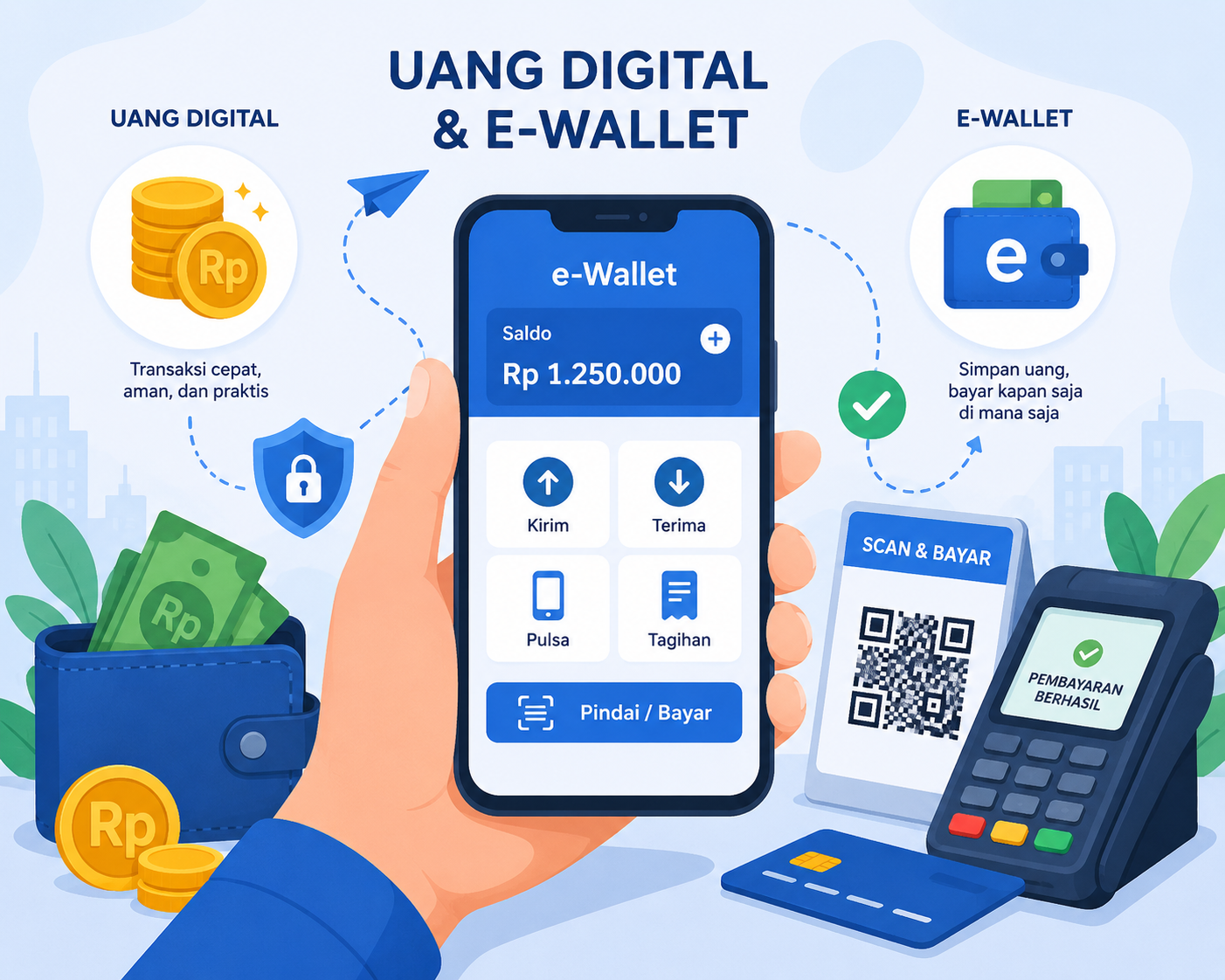
- Consumer Mobile Apps: As smartphone penetration increases, direct-to-consumer mobile applications are becoming more prevalent. These apps offer self-service bill payment, balance inquiry, and sometimes peer-to-peer transfer functionalities, mirroring modern e-wallet experiences.
- Web Portals: Less common for daily micro-transactions but available for certain larger corporate clients or specific types of bill payments.
- Point of Sale (POS) Devices: Integrated with terminals found in supermarkets or convenience stores, providing another channel for PPOB services.
The design philosophy here emphasizes accessibility and simplicity, recognizing that the primary users might not be tech-savvy. The user experience is streamlined to reduce friction, making digital payments approachable for a broader demographic.
2. Middleware & Transaction Processing Layer (The Orchestrator)
This is the brain of the PPOB system, responsible for orchestrating every transaction. It acts as an intelligent intermediary between the front-end and various back-end systems. Key components and functionalities include:
- Transaction Switch: The core component that routes payment requests to the appropriate biller or financial institution. It manages multiple connections, protocols, and data formats, translating requests into a language understood by diverse back-end systems.
- Business Logic Engine: Handles rules such as service fee calculation, commission distribution to agents, validation of payment parameters, and fraud checks. It ensures that each transaction adheres to predefined business rules and regulatory compliance.
- Message Queues & Asynchronous Processing: Given the potential for high transaction volumes and varying response times from external systems, message queues are crucial. They allow the system to process requests asynchronously, improving throughput and resilience by preventing bottlenecks and ensuring that no transaction is lost even if a downstream system is temporarily unavailable.
- Session Management: Manages user and agent sessions, ensuring secure and continuous interaction throughout the transaction process.
- Logging and Auditing: Comprehensive logging of every transaction step is essential for reconciliation, dispute resolution, and regulatory reporting.
The middleware's complexity lies in its ability to maintain seamless interoperability across a highly fragmented ecosystem of billers and financial service providers, often relying on legacy systems with diverse APIs or data exchange formats. This layer is crucial for decoding the backbone of digital transactions.
3. Back-End Integration Layer (Connectivity to Billers & Banks)
This layer focuses on establishing and maintaining robust connections with external entities that provide the actual services or hold the funds. Its stability directly impacts the reliability of the PPOB system:
- Biller Integrations: Direct API (Application Programming Interface) connections or other secure data exchange mechanisms with utility companies (electricity, water), telecommunication providers, insurance companies, and other service providers. These integrations allow PPOB to fetch bill details, confirm payments, and update customer accounts in real-time or near real-time.
- Financial Institution Integrations: Connections with banks (for debiting agent wallets, settling funds), payment gateways, and other financial service providers. This ensures the secure transfer and reconciliation of funds.
- Gateway Adapters: Specialized modules that translate the PPOB system's internal communication format into the specific protocols and data formats required by each external system (e.g., ISO 8583 for financial transactions, custom XML/JSON for biller APIs).
The challenge here is maintaining a vast network of integrations, each with its own technical specifications, security requirements, and uptime guarantees. Robust monitoring and error handling mechanisms are essential to manage failures in these external connections gracefully.
4. Database Layer (Data Repository)
The database layer is the persistent storage for all operational and historical data. Its design dictates the system's performance, scalability, and integrity:
- Transaction Database: Stores every detail of each transaction, including customer information, biller details, payment amount, status, timestamps, and unique transaction IDs. This database is heavily optimized for high-volume writes and reads.
- User & Agent Database: Manages accounts, credentials, balances, and profiles for PPOB agents and direct consumers.
- Biller & Service Database: Contains information about all integrated billers, their services, pricing, and connectivity details.
- Reporting & Analytics Database: Often a separate data warehouse or a replica of the operational database, optimized for complex queries and reporting, crucial for business intelligence, fraud detection, and regulatory compliance.
Modern PPOB systems often employ a mix of relational (SQL) and NoSQL databases, leveraging the strengths of each for different data types – e.g., SQL for transactional integrity and NoSQL for scalable user data or logs.
5. Security & Compliance Layer
Given that PPOB handles financial transactions and sensitive personal data, security is paramount and integrated across all layers:
- Encryption: Data encryption at rest and in transit (SSL/TLS) protects sensitive information.
- Authentication & Authorization: Strong authentication mechanisms for agents and users, coupled with granular authorization controls to limit access based on roles.
- Fraud Detection Systems: Real-time monitoring and rule-based engines to identify and flag suspicious transactions or behavioral patterns.
- Regulatory Compliance: Adherence to local financial regulations (e.g., Bank Indonesia regulations) and international standards (e.g., PCI DSS for card payments, if applicable).
- Disaster Recovery & Business Continuity: Redundant systems, data backups, and failover mechanisms to ensure continuous operation even in the event of major disruptions.
The Logic of Financial Inclusion: Why PPOB Matters
The architectural choices made in PPOB systems are not merely technical; they reflect a deep understanding of the socio-economic context in which they operate. The logic underpinning PPOB's success as an enabler of financial inclusion can be seen in several key aspects:
- Agent Network Model: By decentralizing access through a vast network of agents, PPOB brings digital payments to unbanked and underbanked populations, particularly in rural or remote areas where traditional bank branches are scarce. These agents act as human ATMs and digital literacy educators, bridging the gap between digital services and those unfamiliar with technology.
- Interoperability with Legacy Systems: PPOB's ability to seamlessly connect with diverse, often older, biller systems is critical. Instead of forcing an overhaul of existing infrastructure, PPOB adapts, providing a unified interface over a disparate network. This pragmatic approach accelerates adoption and reduces barriers for service providers.
- Cash-In/Cash-Out (CICO) Capabilities: Many PPOB agents facilitate cash deposits and withdrawals into digital wallets or for bill payments, serving as essential touchpoints for a largely cash-dependent economy. This CICO logic is fundamental to onboarding users into the digital financial ecosystem.
- Real-time Validation & Confirmation: The immediate validation of bill details and real-time confirmation of payments build trust among users. This transparency is crucial in an environment where trust in digital systems may still be developing.
- Cost-Effectiveness: By consolidating various payment services, PPOB offers a cost-effective solution for both consumers (avoiding travel to multiple billers) and billers (reducing overheads for payment collection).
Challenges and Innovations in PPOB Architecture
Despite its success, PPOB architecture faces continuous challenges, driving ongoing innovation:
- Scalability: With Indonesia's population exceeding 270 million and increasing digital adoption, PPOB systems must handle ever-growing transaction volumes, requiring highly optimized databases, distributed processing, and cloud-native architectures.
- Security Threats: As the value of transactions increases, so do the sophistication of cyber threats. Constant vigilance and investment in advanced security measures, including AI-driven fraud detection, are critical.
- Regulatory Evolution: The digital payment landscape is dynamic, with regulations constantly evolving. PPOB systems must be agile enough to adapt to new compliance requirements quickly.
- API Standardization: The lack of universal API standards across billers remains a challenge, necessitating complex adapter layers and bespoke integrations. Industry-wide initiatives towards standardization could significantly streamline this.
- Integration with Emerging Technologies: The future of PPOB might involve deeper integration with blockchain for enhanced transparency and security in certain settlement processes, or leveraging AI for personalized financial advice and improved fraud detection.
Conclusion
The architecture and logic of PPOB systems represent a masterful blend of technical sophistication and socio-economic relevance. It is a testament to how intelligent system design can profoundly impact a nation's financial landscape, particularly in driving inclusion. By serving as the unseen nexus that connects diverse service providers with a vast, geographically dispersed population, PPOB has not just streamlined bill payments; it has democratized access to essential services and laid foundational groundwork for a more comprehensively digital Indonesia. As the country continues its digital transformation, the PPOB architecture will undoubtedly evolve, pushing the boundaries of what's possible in real-time, inclusive digital finance.