E-Wallets: Catalysts for Economic Transformation and Cross-Border Commerce in the Digital Age
The global financial landscape is undergoing a profound metamorphosis, driven by the relentless march of technology and an ever-increasing demand for convenience, speed, and accessibility. At the vanguard of this revolution stands the e-wallet, an innovation that has transcended its initial role as a mere digital repository for funds to become a powerful catalyst for economic transformation and a key facilitator of seamless cross-border commerce. This article delves into the multifaceted impact of e-wallets, exploring their pivotal role in fostering financial inclusion, empowering small businesses, and reshaping the global transactional paradigm.
The Evolution of Payments: From Cowrie Shells to Contactless Taps
To truly appreciate the significance of e-wallets, it's essential to contextualize them within the broader history of money and payments. From ancient bartering systems and the use of commodities like cowrie shells or precious metals, humanity has continuously sought more efficient and standardized mediums of exchange. The advent of coinage and paper currency brought unprecedented liquidity and portability. The 20th century introduced checks, credit cards, and debit cards, progressively digitizing transactions and reducing reliance on physical cash. However, these systems often came with their own set of limitations – processing delays, high transaction fees, and a lingering dependency on traditional banking infrastructure.
The dawn of the internet and mobile technology in the late 20th and early 21st centuries paved the way for the next great leap: digital finance. E-wallets, or mobile wallets, emerged as a natural evolution, leveraging smartphones and the internet to create a virtual equivalent of a physical wallet. Initially simple tools for online purchases, they rapidly expanded their capabilities to include peer-to-peer transfers, bill payments, and in-store purchases via QR codes or NFC technology. This shift marked a fundamental change, moving beyond mere digitization to create an entirely new ecosystem of financial interactions.
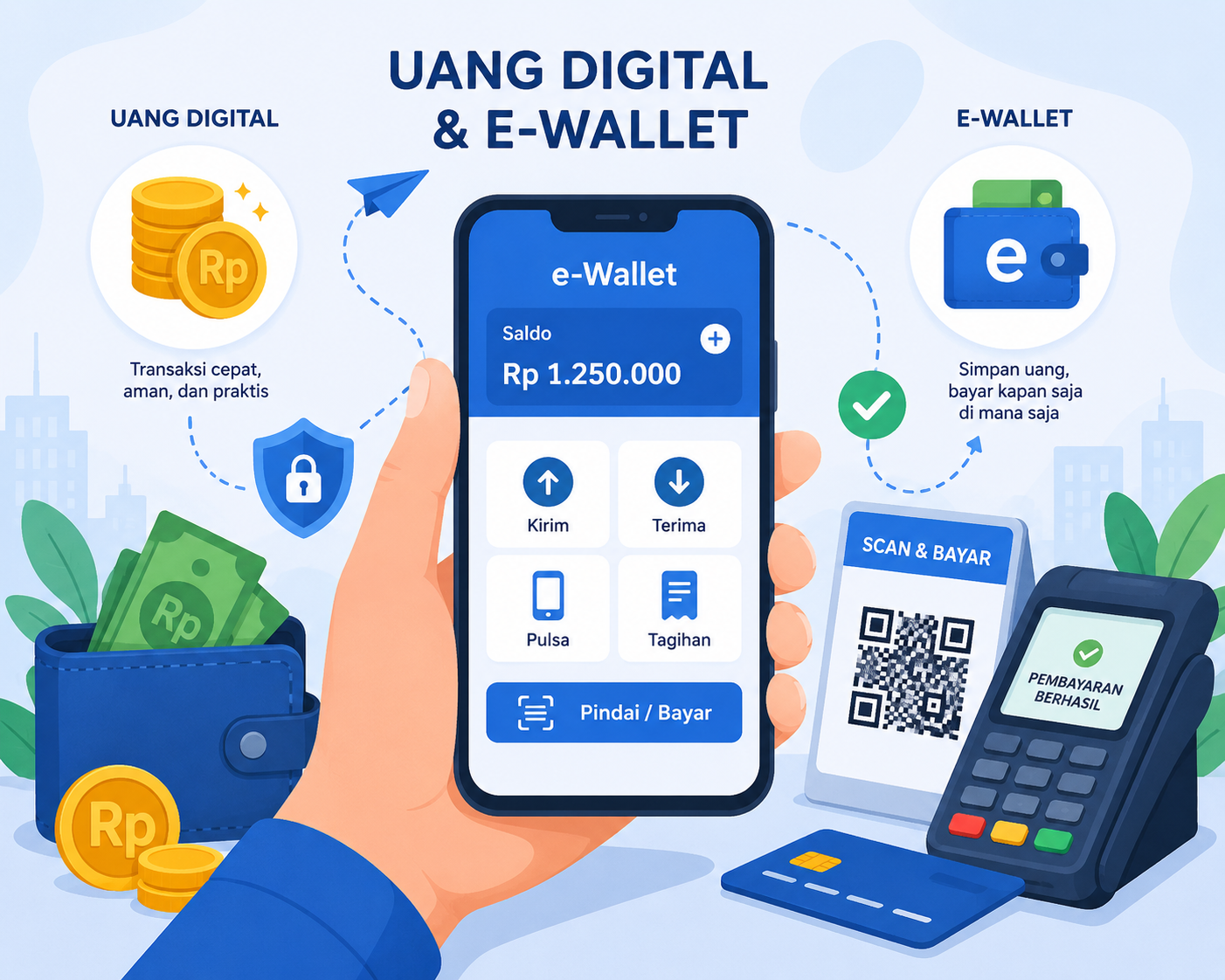
E-Wallets: More Than Just a Digital Pocket
The true power of e-wallets lies in their ability to address systemic inefficiencies and unlock new economic opportunities. Their impact extends far beyond the convenience of tap-and-pay:
- Financial Inclusion: Bringing the Unbanked into the Fold
Globally, billions of people remain "unbanked" or "underbanked," lacking access to essential financial services due to geographical barriers, stringent requirements, or high costs associated with traditional banks. E-wallets have become a powerful tool for financial inclusion, especially in emerging economies. With just a mobile phone, individuals can open a digital account, receive wages, send money, pay bills, and even access micro-loans or insurance, bypassing the need for a physical bank branch or complex paperwork. This democratizes access to financial tools, enabling greater participation in the formal economy. - Empowering Micro-transactions and Small Businesses
For small businesses, street vendors, and independent contractors, traditional payment systems can be cumbersome and costly. Credit card terminals require setup fees and monthly charges, and cash transactions come with security risks and reconciliation headaches. E-wallets offer a low-cost, easy-to-implement solution for accepting payments. QR code payments, for instance, require minimal infrastructure, allowing even the smallest enterprises to participate in the digital economy. This empowerment stimulates local economies and fosters entrepreneurial growth. - Speed, Efficiency, and Transparency
E-wallet transactions are typically instantaneous, clearing in seconds rather than days. This real-time processing drastically improves cash flow for businesses and provides immediate access to funds for consumers. Furthermore, digital transaction records offer a transparent audit trail, simplifying accounting, tax compliance, and dispute resolution for both individuals and businesses.
Driving Cross-Border Commerce: A World Without Borders
Perhaps one of the most transformative aspects of e-wallets is their capacity to revolutionize cross-border commerce and remittances. Traditional international transactions are often plagued by high fees, unfavorable exchange rates, and lengthy processing times, making them inaccessible or prohibitively expensive for many. E-wallets are dismantling these barriers:
- Seamless International Transactions
E-wallets facilitate direct peer-to-peer or consumer-to-business payments across borders with significantly reduced fees and faster settlement times. This means a consumer in one country can effortlessly purchase goods from an online vendor in another, or send money to a family member abroad, without navigating complex banking protocols or incurring exorbitant charges. This ease of transaction opens up global markets to individuals and small businesses that were previously confined by geographical and financial limitations. - Efficient Remittances
Migrant workers often send a significant portion of their earnings back to their home countries. Traditional remittance services can levy substantial fees, eroding the value of the money sent. E-wallet platforms offer a more economical and efficient alternative, ensuring that more of the hard-earned money reaches its intended recipients quickly. This direct transfer capability has a profound socio-economic impact on recipient families and economies. - Global Market Access for SMEs
With e-wallets, even micro-businesses can expand their reach beyond local markets. An artisan selling handmade goods can accept payments from international customers, effectively transforming a local venture into a global one. This broadens customer bases, diversifies revenue streams, and stimulates economic growth at a grassroots level, contributing to a more interconnected global economy.
Security and Trust in the Digital Realm
The proliferation of digital finance naturally raises questions about security and trust. E-wallet providers employ an array of sophisticated technologies to safeguard user data and financial assets:
- Advanced Encryption and Tokenization
User data and transaction details are protected with robust encryption protocols. Many e-wallets utilize tokenization, where actual card numbers or bank details are replaced with unique, randomly generated tokens during transactions, meaning sensitive information is never directly transmitted or stored by merchants. - Multi-Factor Authentication (MFA)
To prevent unauthorized access, most e-wallets incorporate MFA, requiring users to verify their identity through multiple methods, such as passwords, PINs, biometrics (fingerprint or facial recognition), or one-time passcodes sent to a registered device. - Fraud Detection and Consumer Protection
Sophisticated AI and machine learning algorithms constantly monitor transactions for suspicious patterns, flagging potential fraud in real-time. Additionally, many jurisdictions are developing or have implemented regulatory frameworks that offer consumer protection against unauthorized transactions and data breaches, fostering greater trust in digital payment systems.
The Technological Backbone and Future Innovations
The advancements in e-wallets are inextricably linked to broader technological progress. The underlying infrastructure benefits from continuous innovation in areas such as cloud computing, big data analytics, and cybersecurity. Future developments are likely to integrate further with emerging technologies:
- Blockchain and Cryptocurrencies
While not universally adopted within mainstream e-wallets yet, blockchain technology offers the potential for even more secure, transparent, and immutable transaction records, particularly for cross-border payments. The integration of stablecoins or CBDCs (Central Bank Digital Currencies) into e-wallets could further streamline global finance. - Artificial Intelligence (AI) and Machine Learning (ML)
AI and ML enhance fraud detection, personalize user experiences, and provide insightful financial analytics, helping users manage their money more effectively. Predictive analytics can even anticipate user needs, offering relevant financial products or advice. - Internet of Things (IoT) Integration
Imagine paying for fuel or groceries directly from your smart car, or a smart refrigerator ordering items and paying for them automatically. IoT integration promises a future where payments are seamlessly embedded into our daily lives and devices. - Open APIs and Fintech Ecosystems
The increasing adoption of Open API (Application Programming Interface) standards allows for greater interoperability between different financial service providers. This fosters an ecosystem where various fintech solutions can seamlessly integrate with e-wallets, expanding their functionalities and reach. This spirit of innovation and integration, akin to the fusion of new technologies and creative problem-solving, drives the evolution of digital finance.
Challenges and the Road Ahead
Despite their immense potential, e-wallets face several challenges:
- Interoperability Issues
The fragmented landscape of multiple e-wallet providers can lead to interoperability issues, limiting seamless transactions between different platforms or across national borders. Standardized protocols and regulatory cooperation are crucial to overcome this. - Digital Literacy and Adoption Gaps
While smartphone penetration is high, not everyone possesses the digital literacy required to confidently use e-wallets. Efforts are needed to educate populations, particularly in rural or older demographics, to ensure equitable access. - Regulatory Harmonization
The rapid pace of fintech innovation often outstrips regulatory development. Harmonizing regulations across different countries is vital to ensure consumer protection, prevent illicit activities, and facilitate truly global digital commerce. - Data Privacy Concerns
As e-wallets collect vast amounts of user data, concerns about data privacy and how this information is used and protected remain paramount. Robust data governance frameworks are essential to maintain user trust.
Conclusion
E-wallets have moved beyond being a mere convenience to become foundational elements of the modern digital economy. They are powerful catalysts, driving financial inclusion by bringing essential services to the previously unbanked, empowering small businesses with efficient payment solutions, and transforming cross-border commerce by dismantling traditional barriers. As technology continues to evolve and regulatory frameworks adapt, e-wallets are poised to become even more integrated into our daily lives, paving the way for a truly global, efficient, and inclusive financial ecosystem. The journey from physical cash to a world where our phones are our primary financial instruments is not just a technological shift, but a societal and economic revolution in the making.