Decoding the PPOB System: Architecture, Logic, and Its Hidden Role in Digital Finance
Introduction to PPOB: Bridging Traditional and Digital Finance
The Payment Point Online Bank (PPOB) system is a cornerstone of modern digital finance, enabling seamless transaction processing across diverse sectors. Unlike traditional payment models, PPOB operates as a decentralized network, integrating banks, service providers, and users into a unified ecosystem. This article delves into the architecture and logic of the PPOB system, uncovering its unique role in driving financial inclusion and digital transformation.
Architecture of the PPOB System
The PPOB architecture is built on a multi-layered framework designed for scalability and security. At its core are three primary components:
- User Interface (UI): A unified portal for users to initiate payments, manage accounts, and access services.
- Processing Engine: A backend system that validates transactions, communicates with banks, and ensures compliance with regulatory standards.
- Integration Layer: APIs and middleware that connect PPOB to third-party services (e.g., e-wallets, utility providers) for seamless data exchange.
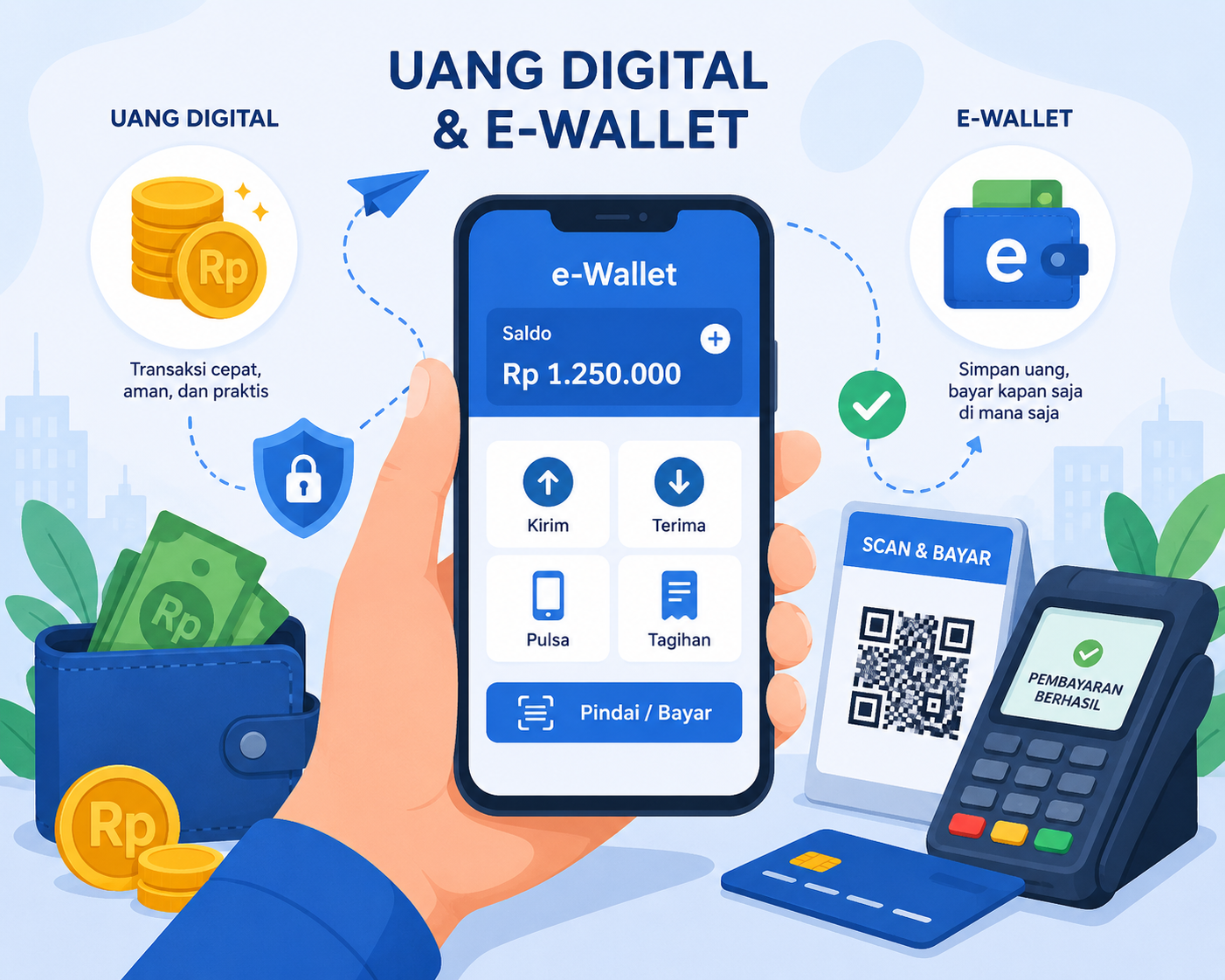
For instance, when a user pays an electricity bill via PPOB, the system interacts with the utility provider’s API to confirm the request, processes the payment through the user’s bank, and updates the account in real time. This architecture minimizes latency and reduces dependency on physical banking infrastructure.
Logic Behind PPOB Transactions
The logic of the PPOB system revolves around real-time validation and automated reconciliation. Key steps include:
- User Authentication: Multi-factor verification (e.g., OTP, biometrics) to authorize transactions.
- Transaction Routing: Smart algorithms determine the optimal bank or channel for processing based on speed, cost, and user preference.
- Error Handling: Built-in protocols flag suspicious activities (e.g., duplicate payments) and reroute failed transactions.
By leveraging blockchain-like validation for certain processes, PPOB ensures transparency while maintaining compatibility with legacy systems. This logic is critical for seamless digital transactions across geographically dispersed users.
Integration with Financial Ecosystems
PPOB’s true innovation lies in its ability to bridge gaps between formal and informal economies. For example:
- Rural Inclusion: Small businesses in remote areas use PPOB to accept payments without needing expensive POS terminals.
- Cross-Border Payments: PPOB partners with international banks to offer low-cost remittances, bypassing traditional forex limitations.
This integration is further enhanced by its compatibility with e-wallet platforms, allowing users to store, send, and spend funds without physical cash. The result is a financial ecosystem where even unbanked populations can participate digitally.
Security and Scalability Challenges
Ensuring robust security is paramount for PPOB. The system employs:
Baca Juga Artikel Lainnya
Merajut Warisan Budaya Nusantara dalam Plugin WordPress: Inovasi Digital yang Memperkaya Pengalaman Pengguna
Di era digital yang semakin global, pengembangan Plugin WordPress tidak hanya menjadi alat...
Baca selengkapnyaการพัฒนาปลั๊กอิน WordPress ผ่านการผสมผสานระหว่างวัฒนธรรมไทยและนวัตกรรมดิจิทัล
บทนำ: ความสำคัญของปลั๊กอิน WordPress ในยุคดิจิทัล WordPress ถือเป็นแพลตฟอร์มสร้างเว็บไซต...
Baca selengkapnya한국 문화와 디지털 혁신의 융합: 워드프레스 플러그인 개발의 신전략
워드프레스 플러그인 개발의 현황과 중요성 워드프레스 플러그인은 웹사이트의 기능을 확장하고 사용자 경험을 향상시키는 데 핵심적인 역할을 합니다. 전 세계적으로 ...
Baca selengkapnya日本の心と技術が息づくWordPressプラグイン開発:ミニマリズムから世界へ
今日のデジタル環境において、WordPressは世界で最も普及しているコンテンツ管理システムの一つであり、その柔軟性と拡張性は計り知れません。この拡張性の中心にあるのが、WordP...
Baca selengkapnya