Decoding the Architecture and Logic of PPOB Systems: Bridging Analog and Digital Transaction Realms
Introduction to PPOB Systems
Point of Purchase Online Billing (PPOB) systems represent a critical infrastructure in modern financial ecosystems, enabling seamless digital payments for utilities, services, and products. These systems bridge the gap between traditional brick-and-mortar transactions and the digital economy, fostering financial inclusion by making services accessible to unbanked and underbanked populations. The architecture and logic of PPOB systems are designed to prioritize scalability, security, and interoperability, ensuring robust performance across diverse use cases.
Core Architecture of PPOB Systems
The backbone of a PPOB system lies in its modular architecture, which typically comprises three layers: the user interface layer, the business logic layer, and the data storage layer. The user interface facilitates interactions between individuals or businesses and the system, while the business logic layer processes transactions, validates data, and enforces rules. The data storage layer, often built on distributed databases, ensures redundancy and fault tolerance. A 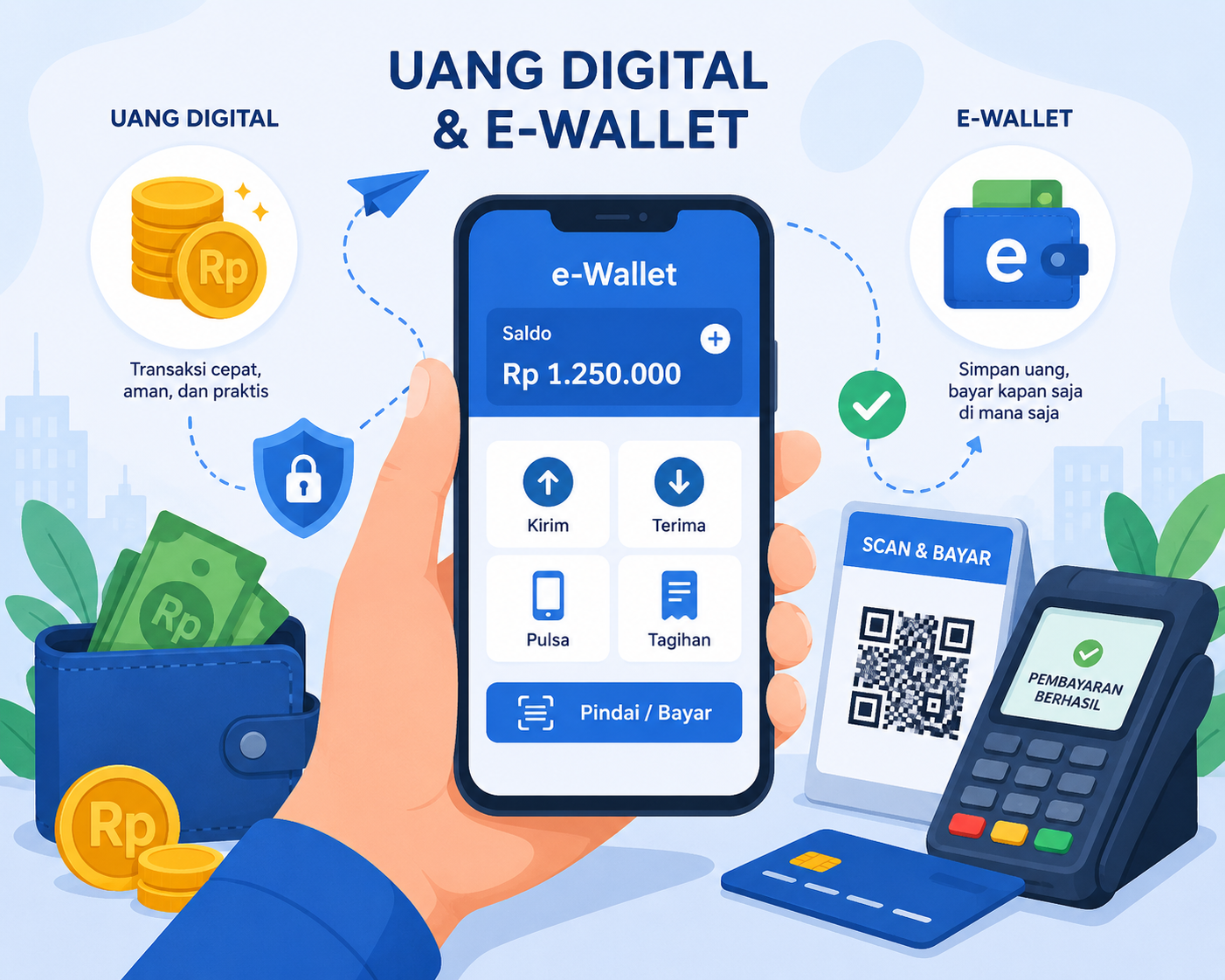
Logical Framework of Transaction Processing
At its core, a PPOB system operates on a state machine logic, where each transaction transitions through predefined states: initiation, validation, execution, and confirmation. This deterministic approach minimizes errors and ensures compliance with regulatory standards. For instance, when a user initiates a payment for an electricity bill, the system first verifies the user’s credentials, checks account balances, and then routes the transaction to the service provider. This logic mirrors the dynamic efficiency of digital transaction networks discussed in Indonesian literature, where speed and accuracy are paramount.
Integration with Emerging Technologies
Modern PPOB systems are evolving by integrating technologies like Artificial Intelligence (AI) and Blockchain. AI enhances fraud detection by analyzing transaction patterns, while Blockchain ensures immutable, transparent records for audit trails. For example, AI algorithms can predict peak transaction times to optimize server resources, and Blockchain can facilitate cross-border payments without intermediaries. These innovations not only reduce operational costs but also align with global trends in decentralized finance (DeFi).
Challenges and Solutions in PPOB Implementation
- Scalability: High transaction volumes demand cloud-based architectures to handle load distribution.
- Interoperability: APIs and middleware enable seamless integration with third-party services like banks and telecom providers.
- Security: End-to-end encryption and multi-factor authentication mitigate risks of data breaches.
Case studies from Southeast Asia highlight how PPOB systems have partnered with local vendors to expand reach, particularly in rural areas. This grassroots approach mirrors the “digital village” model, where PPOB kiosks serve as hubs for financial empowerment.
Conclusion
The architecture and logic of PPOB systems are not merely technical constructs but strategic enablers of economic growth. By harmonizing analog convenience with digital precision, these systems pave the way for inclusive financial ecosystems. As technologies like AI and Blockchain mature, PPOB will continue to evolve, addressing current limitations while unlocking new possibilities in global finance.