The Triad of Digital Revolution: Cryptocurrency, Blockchain, & Web3 Redefining the Internet
Introduction: The Convergence of Three Disruptors
Cryptocurrency, blockchain, and Web3 are not isolated phenomena but interconnected pillars of a digital revolution. While each has its unique role, their synergy is reshaping how we perceive ownership, data control, and economic systems. This article explores their interplay, focusing on how they collectively redefine the internet’s architecture and user experience.
Cryptocurrency: Beyond Digital Money
Cryptocurrency is often misunderstood as merely a digital replacement for fiat currency. However, its true innovation lies in enabling decentralized trust through cryptographic algorithms. Bitcoin, for instance, introduced the concept of a trustless network, where transactions are validated by a global network of nodes, eliminating intermediaries like banks. This innovation laid the groundwork for Web3’s decentralized ethos.
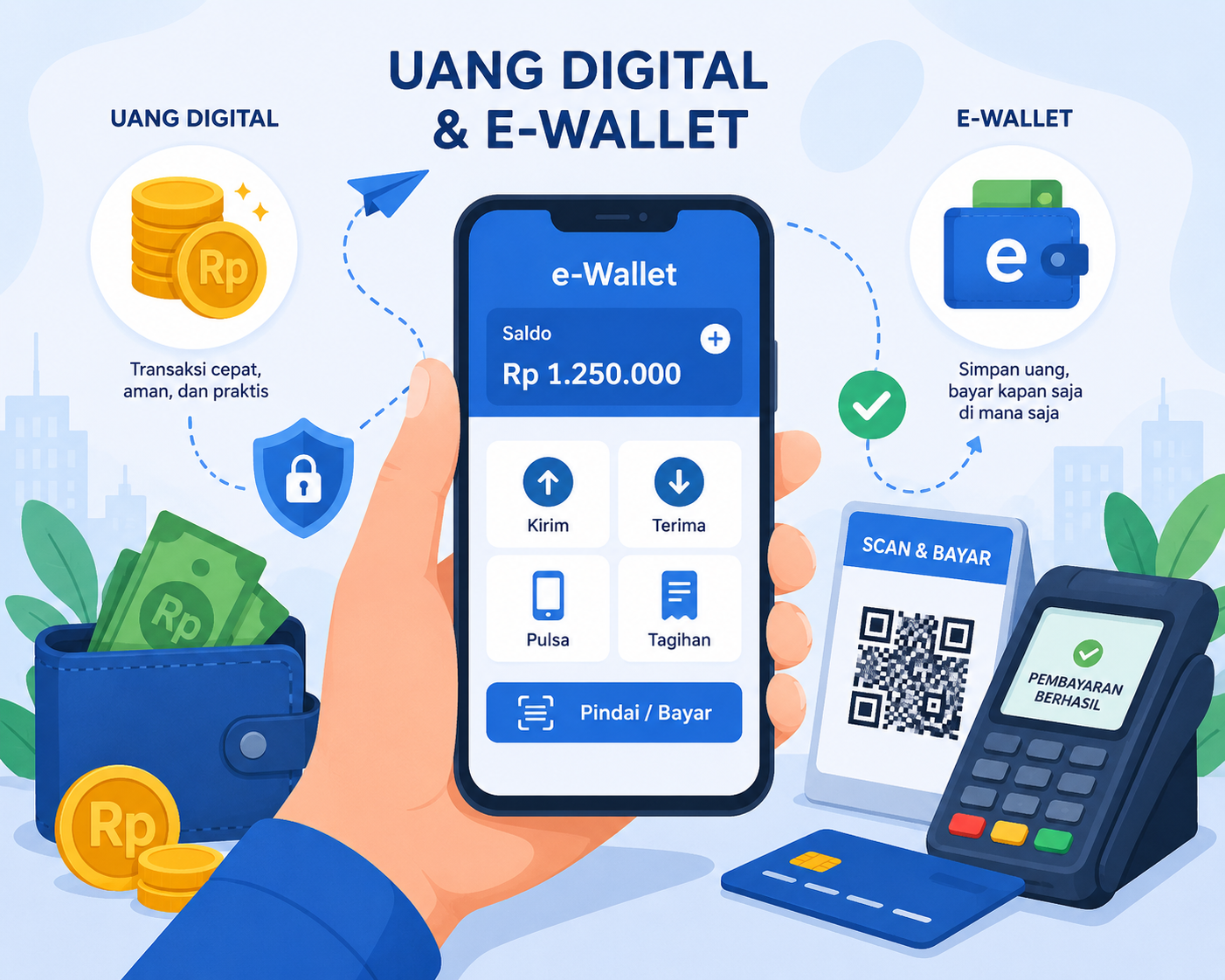
As the digital wallet illustration above suggests, cryptocurrencies like Ethereum extend beyond payments. They power smart contracts, enabling programmable money that automates agreements. For example, Ethereum’s ecosystem allows developers to create decentralized applications (dApps) where users interact directly with code, bypassing centralized platforms.
Blockchain: The Immutable Ledger of Trust
At the core of cryptocurrency is blockchain, a distributed ledger technology that ensures data integrity. Each block in the chain contains a timestamped record of transactions, making tampering nearly impossible. This transparency is critical for trustless systems, as it allows all participants to verify the history of ownership without relying on a central authority.
Blockchain’s potential extends far beyond financial applications. Industries like supply chain management and healthcare leverage it to track products and secure patient data. For instance, database optimization techniques similar to MySQL composite indexing can enhance blockchain scalability by streamlining transaction validation processes. This synergy between backend optimization and decentralized infrastructure is vital for mass adoption.
Web3: The Decentralized Internet Ecosystem
Web3 envisions an internet where users own and control their data. Unlike Web2, which relies on centralized platforms (e.g., social media giants), Web3 prioritizes user sovereignty through blockchain-based identity systems and decentralized storage solutions like IPFS. Here, cryptocurrencies serve as both utility tokens and governance tools, allowing users to vote on platform decisions in Decentralized Autonomous Organizations (DAOs).
A key innovation in Web3 is the tokenization of assets. Real estate, art, and even carbon credits can be represented as NFTs (Non-Fungible Tokens) on the blockchain. This creates new paradigms for ownership, enabling fractional ownership and global accessibility. For example, a musician could tokenize their album and let fans invest in its revenue streams through a DAO.
However, Web3’s success hinges on interoperability. Blockchains must communicate seamlessly with traditional systems, and AI-driven analytics could play a role in optimizing cross-chain transactions. Imagine an AI predicting network congestion to route transactions efficiently, reducing costs and delays.
Challenges and the Road Ahead
- Scalability: While blockchain is secure, its scalability lags behind centralized systems. Solutions like sharding (Ethereum 2