Unveiling the Invisible Architects: Deeper Currents Driving Tomorrow's Tech Trends
In a world accelerating at an unprecedented pace, technology is no longer just a tool; it is the loom upon which the fabric of our future is woven. Every day, headlines flash with news of AI breakthroughs, Web3 advancements, and quantum computing marvels. Yet, beneath this visible tapestry of innovation lies a complex network of invisible forces—philosophical shifts, economic imperatives, ethical considerations, and evolving human aspirations—that truly dictate the direction and impact of these latest technology trends. This article ventures beyond the surface-level announcements to explore these deeper currents, shedding light on the unseen architects shaping our digital destiny.
The prevailing narrative often focuses on the "what" of technology: what new gadget has been released, what algorithm has broken new ground. But a more profound understanding emerges when we ask "why" and "how"—why are these technologies gaining traction now, and how are they fundamentally altering our relationship with information, power, and even reality itself? It’s in these questions that we uncover the true undercurrents of innovation.
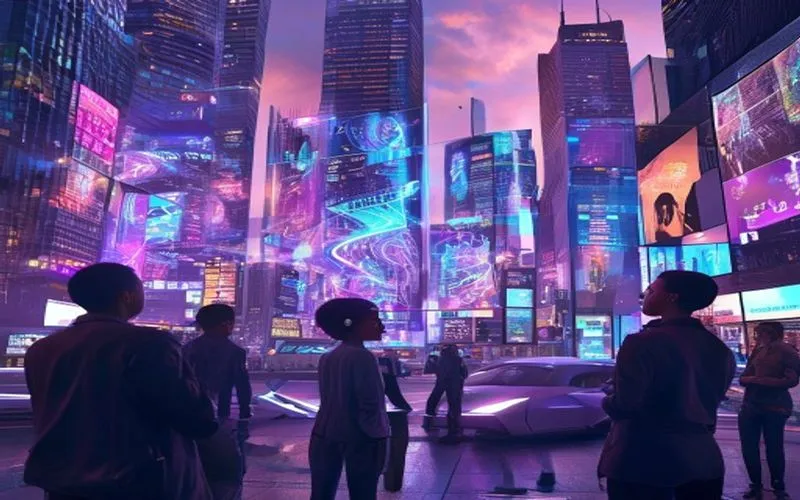
The AI Revolution: Beyond Automation, Towards Cognition and Creativity
Artificial Intelligence (AI) continues to dominate technological discourse, evolving far beyond mere automation. Generative AI, exemplified by large language models (LLMs) and advanced image synthesis tools, is not just performing tasks; it’s engaging in creative endeavors, producing content, and even assisting in scientific discovery. The unique perspective here lies in understanding AI not just as an efficiency enhancer but as a catalyst for redefining human cognition and creativity.
Historically, human intelligence and creativity were considered sacrosanct domains. AI is challenging this perception, pushing the boundaries of what machines can "think" and "create." This shift raises profound questions about authorship, originality, and the very nature of intelligence. As AI systems become more sophisticated, capable of nuanced reasoning and independent learning, the deeper current at play is humanity's ongoing quest to understand and replicate its own cognitive processes. This pursuit is fraught with ethical dilemmas, particularly concerning bias in algorithms, the potential for job displacement, and the ultimate societal impact of intelligent machines that can learn and adapt autonomously.
The "why" behind the AI boom is multifaceted: an abundance of data, increasing computational power, and sophisticated algorithmic architectures. But the "how" it’s shaping society delves into areas of education, healthcare, entertainment, and even human relationships. AI is becoming an invisible partner in our daily lives, influencing everything from the content we consume to the medical diagnoses we receive. This integration necessitates a continuous dialogue about accountability, transparency, and the governance of increasingly intelligent systems.
Web3 and the Pursuit of Digital Sovereignty
Web3, encompassing blockchain technology, cryptocurrencies, NFTs, and the decentralized web, represents another powerful current. At its core, Web3 is a philosophical response to the centralized nature of Web2, which saw enormous power consolidated in the hands of a few tech giants. The unique perspective on Web3 is its profound emphasis on digital sovereignty—the idea that individuals should have more control over their data, identity, and digital assets.
The "why" of Web3 stems from growing distrust in centralized authorities, concerns over data privacy, and a desire for more equitable distribution of value in the digital economy. Blockchain's immutable ledger and decentralized nature promise a future where transactions are transparent, ownership is verifiable, and censorship is harder to enforce. NFTs, beyond their often-hyped artistic applications, represent a fundamental shift in how we conceive of digital ownership, giving scarcity and value to digital assets that were previously infinitely reproducible.
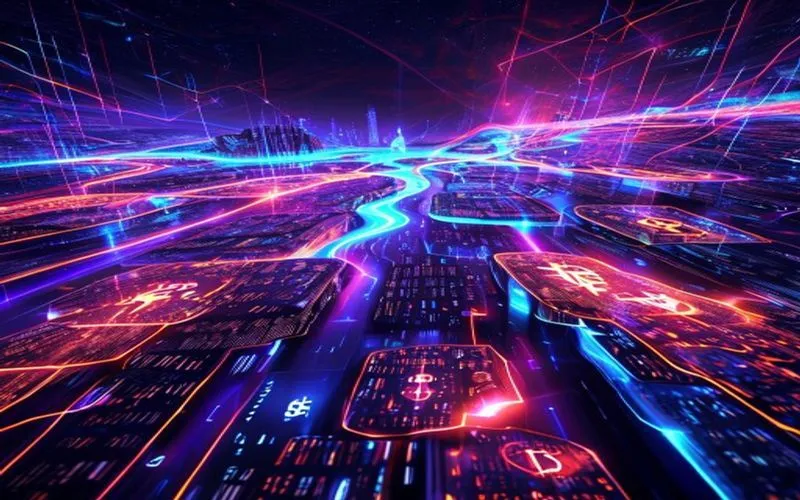
The "how" Web3 is impacting society is through its potential to reshape economic models, governance structures, and social interactions. Decentralized Autonomous Organizations (DAOs) offer new paradigms for collective decision-making, while decentralized finance (DeFi) aims to democratize access to financial services. However, this pursuit of digital sovereignty also brings challenges: scalability issues, regulatory uncertainties, environmental concerns related to energy consumption, and the steep learning curve for widespread adoption. Understanding Web3 means grappling with the tension between its utopian ideals and the practicalities of building a truly decentralized internet.
Quantum Computing: Redefining the Limits of Computation
While still in its nascent stages, quantum computing represents a potential seismic shift in computational power. Unlike classical computers that store information as bits (0s or 1s), quantum computers use qubits, which can exist in multiple states simultaneously due to superposition and entanglement. The unique perspective here is that quantum computing isn't just about faster calculations; it's about fundamentally altering our approach to solving problems previously deemed intractable.
The "why" behind the fervent research in quantum computing is the promise of unlocking solutions to some of humanity's most complex challenges. Drug discovery, material science, financial modeling, and cryptography could all be revolutionized by quantum capabilities. Imagine simulating molecular interactions with perfect accuracy to design new medicines, or optimizing global supply chains with unprecedented efficiency. This technology taps into a deeper human desire to push the boundaries of scientific understanding and harness the fundamental laws of the universe for practical applications.

The "how" quantum computing will impact society is still largely theoretical but potentially profound. It could break current encryption standards, necessitating entirely new forms of cybersecurity (post-quantum cryptography). It could accelerate the development of AI to unforeseen levels. However, the immense technical hurdles—maintaining quantum coherence, building stable qubits, and developing practical quantum algorithms—mean its widespread impact is still some decades away. The deeper current is the ongoing human quest for ultimate knowledge and control over the physical world, facilitated by ever more powerful computational tools.
Sustainable Technology: The Moral Imperative of Innovation
Amidst the buzz of cutting-edge innovation, a powerful, often underestimated, current is the growing focus on sustainable technology. This trend is driven by an acute awareness of climate change, resource depletion, and environmental degradation. The unique perspective here is viewing technology not just as a driver of progress but as a critical tool for planetary survival and ethical responsibility.
The "why" for this shift is clear: a global imperative to address environmental crises. This has led to rapid advancements in renewable energy technologies (solar, wind, geothermal), energy storage solutions (advanced batteries), and smart grids. Beyond energy, AI is being deployed for climate modeling, optimizing resource use, and monitoring ecosystems. Circular economy principles are inspiring technologies that reduce waste, promote recycling, and design products for longevity and repairability. Biotechnology is exploring alternative proteins and sustainable agricultural practices.
The "how" sustainable technology is influencing society is through policy shifts, consumer demand for eco-friendly products, and corporate commitments to ESG (Environmental, Social, and Governance) goals. This current challenges the traditional growth-at-all-costs mentality, advocating for a more harmonious relationship between technological progress and ecological well-being. It underscores a fundamental shift in values, where innovation is increasingly judged not just by its economic returns but also by its environmental footprint and social equity.
The Blurring Lines: Biotech, Neurotech, and Human Augmentation
Another fascinating and ethically complex current is the convergence of biotechnology and neurotechnology, leading to the realm of human augmentation. Technologies like CRISPR gene editing, brain-computer interfaces (BCIs), and advanced prosthetics are pushing the boundaries of what it means to be human. The unique perspective here is the profound ethical and philosophical implications of directly manipulating human biology and cognition.
The "why" behind these advancements is rooted in humanity's desire to overcome disease, extend lifespan, and enhance capabilities. Gene editing offers the promise of eradicating hereditary diseases, while BCIs could restore mobility or communication for those with severe disabilities. Advanced wearables track our health metrics, subtly nudging us towards optimal well-being. This current taps into deep-seated human aspirations for perfection, resilience, and transcendence of physical limitations.
The "how" these technologies will impact society is deeply contentious. While therapeutic applications are widely accepted, enhancement applications raise questions of equity, access, and the potential for a "designer human" future. Who decides what constitutes an "enhancement" versus a "cure"? What are the societal repercussions of a bifurcated humanity—those with access to augmentation and those without? The development of neurotech also raises concerns about privacy of thought and the potential for manipulation. This trend forces us to confront fundamental questions about human identity, agency, and the ethical boundaries of technological intervention.
The Invisible Architects: Forces Shaping Tomorrow
As we delve into these diverse technological currents, it becomes evident that their direction is not solely dictated by scientific possibility. Instead, they are steered by a complex interplay of invisible architectures and societal repercussions. These architects include:
- Geopolitical Dynamics: Nations vying for technological supremacy (e.g., in AI or quantum computing) profoundly influence research funding, talent migration, and ethical frameworks.
- Economic Imperatives: Market forces, investment capital, and the pursuit of new revenue streams often accelerate or decelerate technological development, prioritizing certain applications over others.
- Ethical Frameworks and Regulatory Bodies: Governments and international organizations are increasingly scrambling to establish guidelines for AI, data privacy, and bioethics, shaping what is permissible and responsible.
- Societal Values and Public Opinion: Consumer demand, social movements, and cultural norms play a significant role in the adoption and acceptance of new technologies, particularly those that touch upon personal privacy or fundamental human rights.
- Philosophical Debates: Underlying all these trends are ongoing philosophical discussions about the nature of consciousness, identity, free will, and humanity's place in a technologically advanced world.
- Education and Workforce Adaptation: The ability of societies to educate their populations and adapt their workforces to new technological paradigms is a critical, often overlooked, determinant of successful integration.
These unseen forces are constantly interacting, creating feedback loops that either amplify or constrain innovation. For instance, public concern over data privacy can lead to stricter regulations, which in turn can spur the development of privacy-preserving technologies. Similarly, ethical debates around AI bias can drive research into more equitable and transparent algorithms.
Navigating the Digital Tides: A Call to Conscious Engagement
Understanding these deeper currents and invisible architects is crucial for more than just staying informed; it is essential for active and conscious engagement with the future. We are not passive spectators in this technological evolution; we are participants, designers, and decision-makers. The choices we make today—as consumers, citizens, policymakers, and innovators—will collectively determine the trajectory of tomorrow's technology.
This requires a shift from merely consuming technology to critically evaluating its implications, demanding ethical considerations, and participating in the conversations that shape its governance. It means fostering digital literacy, promoting interdisciplinary collaboration between technologists, ethicists, social scientists, and policymakers, and ensuring that technological progress serves the broader well-being of humanity and the planet.
Conclusion
The latest technology news and trends are far more than a collection of gadgets and algorithms. They are reflections of humanity's evolving aspirations, fears, and ethical challenges. From AI's redefinition of cognition to Web3's quest for sovereignty, quantum computing's promise of ultimate power, sustainable tech's moral imperative, and biotech's reimagining of humanity, each trend is a manifestation of deeper currents flowing beneath the surface. By understanding these invisible architects—the geopolitical, economic, ethical, and philosophical forces at play—we can move beyond simply reacting to technological advancements and instead actively shape a future that is not only innovative but also equitable, sustainable, and truly human-centric.