The Invisible Threads: Unpacking the Deeper Architectures of Today's Tech Revolution
In the whirlwind of daily news cycles, we are constantly bombarded with headlines about the latest technological marvels: AI breakthroughs, metaverse developments, and quantum computing promises. While these advancements are undeniably exciting and shape our immediate digital experiences, they often represent merely the visible tip of a much larger, more complex iceberg. To truly grasp the direction and implications of current technology trends, we must look beyond the flashy applications and delve into the “invisible threads” – the underlying architectural shifts that are silently but profoundly reshaping our world.
This article aims to dissect these subterranean changes, moving past the surface-level buzzwords to uncover the foundational transformations driving the digital revolution. We will explore how these deeper architectures are not just improving existing systems but are fundamentally altering the way we interact, create, and govern in the 21st century.
The Subterranean Shift: From Products to Platforms
One of the most significant, yet often overlooked, shifts in the tech landscape is the evolution from discrete products to expansive, interconnected platforms. Historically, technology adoption focused on individual tools or software packages. Today, the power resides in ecosystems. Companies like Amazon, Google, and Microsoft don't just offer services; they provide foundational infrastructure – cloud computing (AWS, GCP, Azure), API economies, and development frameworks – upon which countless other businesses and applications are built.
This platform-centric approach fosters an environment of unprecedented collaboration and innovation, but also creates new dependencies and power dynamics. The "architecture" here refers to the standards, protocols, and shared services that allow disparate systems to communicate and interoperate seamlessly. It's the invisible glue that holds the modern internet together, enabling everything from seamless payment processing to real-time data analytics across different services. Understanding this shift is crucial, as it dictates who controls data, how value is created and distributed, and ultimately, the accessibility of technological advancement for all.
AI's Invisible Hand: Orchestrating the Digital Symphony
Artificial Intelligence (AI) frequently dominates headlines for its dazzling user-facing applications, such as generative AI models producing art, text, or code. However, the true revolutionary potential of AI, and its most profound impact on the current technological architecture, lies in its invisible role as an orchestrator of digital systems. AI is no longer just a feature; it's becoming the operating system of the digital economy.
Consider AI's role in optimizing data center energy consumption, routing internet traffic, managing complex supply chains, or performing predictive maintenance on critical infrastructure. These aren't flashy, user-facing applications, but they are absolutely fundamental to the efficiency and resilience of our digital world. AI algorithms are silently processing vast amounts of data, identifying patterns, and making autonomous decisions that ensure the smooth functioning of everything from financial markets to global logistics. This "invisible hand" of AI is redefining operational efficiencies, automating complex processes, and making systems more adaptive and intelligent at a foundational level.

The architectural implications are immense: AI is driving the demand for more robust data pipelines, more powerful computational hardware (often specialized for AI workloads), and sophisticated MLOps (Machine Learning Operations) frameworks to manage and deploy AI models at scale. As AI becomes more deeply embedded in the very fabric of our digital infrastructure, the need for ethical guidelines, transparency, and accountability in its development and deployment becomes paramount. We must not only understand what AI can do but also critically examine how it is doing it, and what biases or vulnerabilities might be baked into its invisible operations.
Blockchain's Quiet Revolution: Rebuilding Trust Architectures
Often synonymous with cryptocurrencies, blockchain technology is undergoing a quiet, yet profound, revolution in how we construct and maintain trust in digital systems. Beyond speculative assets, blockchain offers a decentralized, immutable, and transparent ledger that is beginning to underpin new architectures of data integrity, supply chain provenance, and digital identity.
Imagine a world where the authenticity of every product, from luxury goods to pharmaceuticals, can be verified instantly via a public, unchangeable record. Or where digital identities are self-sovereign, giving individuals greater control over their personal data. These are the promises of blockchain, not as a currency, but as a foundational trust layer. It's an architectural shift away from centralized intermediaries (like banks or government agencies) towards a peer-to-peer network where trust is distributed and cryptographically enforced.
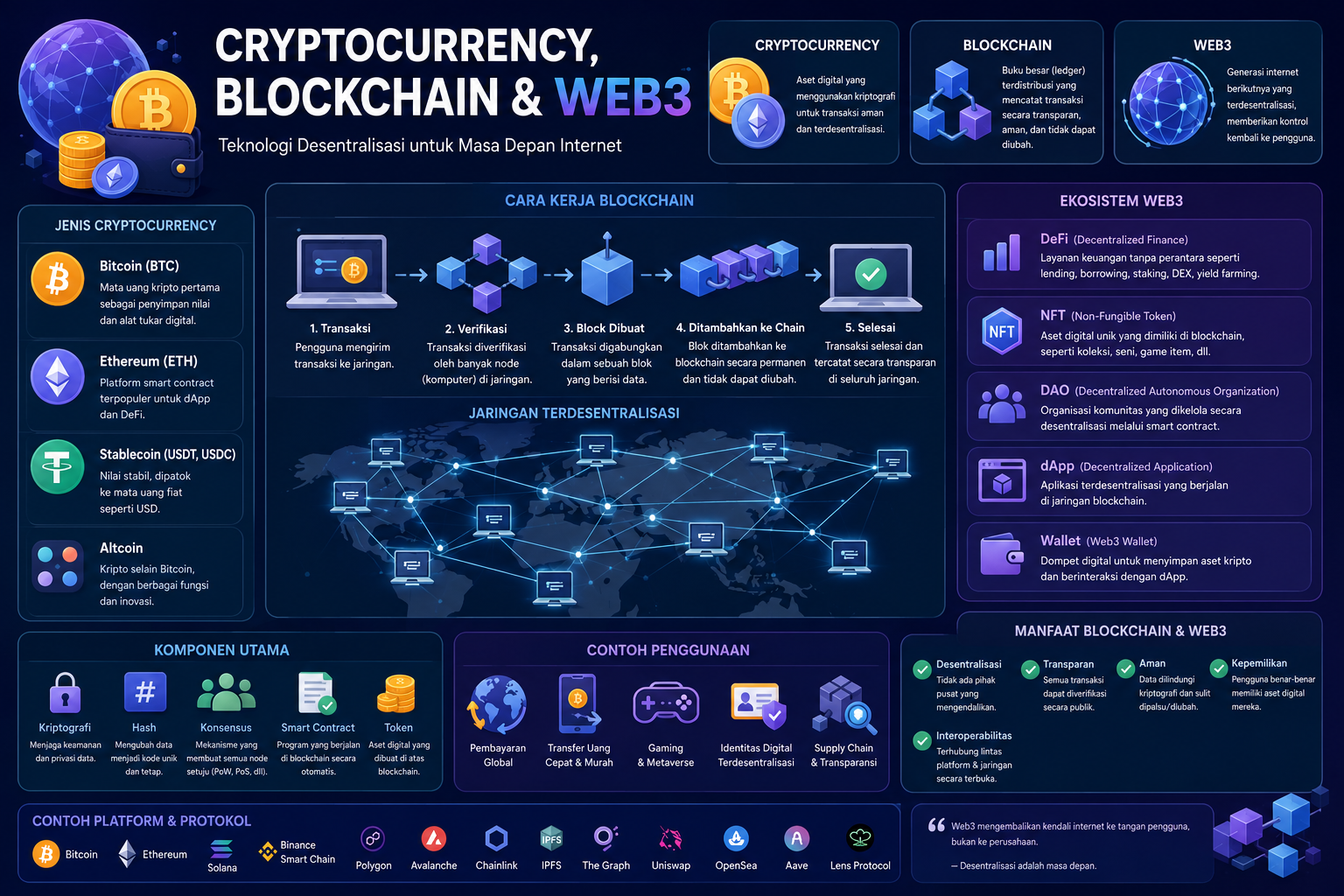
This has immense implications for industries reliant on trust and verification, from finance and healthcare to logistics and intellectual property. The architectural change is subtle but radical: it redesigns the fundamental way data is stored, shared, and validated, offering unprecedented levels of security and transparency. For a deeper dive into how these underlying architectures are shaping the future, consider exploring articles like Beyond the Hype: Unveiling the Undercurrents of Today's Technology Trends, which examines similar foundational shifts.
The Edge of Intelligence: Decentralizing Computation
As the Internet of Things (IoT) proliferates and real-time data processing becomes critical for applications like autonomous vehicles, smart cities, and industrial automation, the traditional centralized cloud computing model faces challenges related to latency, bandwidth, and privacy. This has given rise to another crucial architectural shift: edge computing.
Edge computing pushes computational power and data storage closer to the source of data generation – the "edge" of the network. Instead of sending all data to a distant cloud server for processing, relevant data is processed locally, reducing latency, conserving bandwidth, and enhancing security. This isn't about replacing the cloud; it's about complementing it, creating a more distributed and responsive computing architecture.
The impact of edge computing is profound for numerous sectors. In manufacturing, it enables real-time analytics for predictive maintenance, preventing costly downtime. In healthcare, it allows for immediate processing of patient data from wearables, facilitating quicker interventions. For autonomous systems, ultra-low latency decision-making is a matter of safety. This architectural decentralization fundamentally changes how data flows, where intelligence resides, and how quickly decisions can be made within a vast, interconnected network, laying the groundwork for truly pervasive and responsive smart environments.
Quantum Computing's Whispers: The Future of Problem Solving
While still in its nascent stages, quantum computing represents perhaps the most radical architectural departure from classical computing paradigms. Instead of relying on bits that are either 0 or 1, quantum computers use qubits that can be both 0 and 1 simultaneously (superposition) and interact in complex ways (entanglement). This allows them to tackle certain types of problems that are intractable for even the most powerful supercomputers today.
The architectural shift here is not merely an incremental improvement in processing power; it's a completely different way of conceptualizing and executing computation. Quantum computing could revolutionize fields like material science (designing new drugs or catalysts), cryptography (breaking or creating unbreakable codes), and complex optimization problems (logistics, financial modeling). While practical, large-scale quantum computers are still some years away, the research and development in this area are already shaping the future computing landscape, forcing us to rethink the very foundations of information processing. Investing in understanding this future architecture now is key to navigating its eventual disruption.
The Human Element: Ethics, Governance, and Inclusivity in the Invisible Architecture
As these invisible architectures – powered by AI, blockchain, and distributed computing – become increasingly embedded in our society, the importance of addressing the human element grows exponentially. When technology operates beneath the surface, its impacts can be harder to detect, making ethical considerations, robust governance, and ensuring inclusivity more challenging, yet more critical than ever.
The architectural choices made today in how data is collected, algorithms are designed, and systems are deployed will have lasting consequences on issues ranging from privacy and surveillance to algorithmic bias and digital divides. For instance, if AI is silently orchestrating key societal functions, how do we ensure fairness and prevent discrimination? If blockchain provides immutable records, how do we address errors or 'right to be forgotten' concerns? These questions require a proactive approach to policy-making, fostering multi-stakeholder dialogues, and building ethical frameworks directly into the technological architecture itself.
Ensuring that these powerful, often invisible, technologies are developed and deployed equitably is crucial. We must actively work to bridge digital divides, provide digital literacy, and involve diverse voices in the design and governance of these systems. As technology becomes more pervasive and less visible, its impact on human rights, societal equity, and democratic processes demands our constant vigilance and thoughtful engagement. The foundational shifts we've discussed today are creating a new digital reality, and understanding their underlying architecture is key to shaping a future that benefits all.
Conclusion: Navigating the Unseen Currents
The current technology news and trends are far more than just a collection of new gadgets or software updates. They represent a fundamental reshaping of our digital world, driven by deep architectural shifts in how we compute, communicate, and create trust. From the pervasive influence of AI as an orchestrator of systems to blockchain's role in redefining trust, and edge computing's push towards decentralization, these invisible threads are weaving a new fabric for society.
To truly understand and navigate this complex landscape, we must cultivate a deeper perspective, moving beyond the hype to appreciate the foundational innovations. By focusing on the architectures rather than just the applications, we can better anticipate future challenges, harness new opportunities, and ensure that the digital revolution serves humanity's best interests. Staying informed about these subterranean currents is not just for technologists; it is essential for anyone seeking to thrive and contribute meaningfully in our increasingly interconnected and technologically driven world.