Android Applications: Catalysts for Innovation in Digital Finance and Emerging Technologies
Introduction to Android’s Transformative Role Beyond Mobile Phones
Android applications have transcended their traditional role as mere mobile software, becoming pivotal tools for innovation across diverse sectors. From revolutionizing digital finance to empowering agricultural practices, Android apps are redefining how industries operate. This article explores Android’s role in driving social and technological advancements, focusing on its impact in digital finance and emerging technologies.
Android Apps in Digital Finance: Bridging Global Economic Gaps
Mobile wallets and banking apps have become lifelines for financial inclusion, especially in underbanked regions. Android’s open-source architecture enables developers to create cost-effective, scalable solutions. For instance, e-wallets like M-Pesa in Kenya have transformed how millions conduct transactions, offering services from bill payments to microloans. 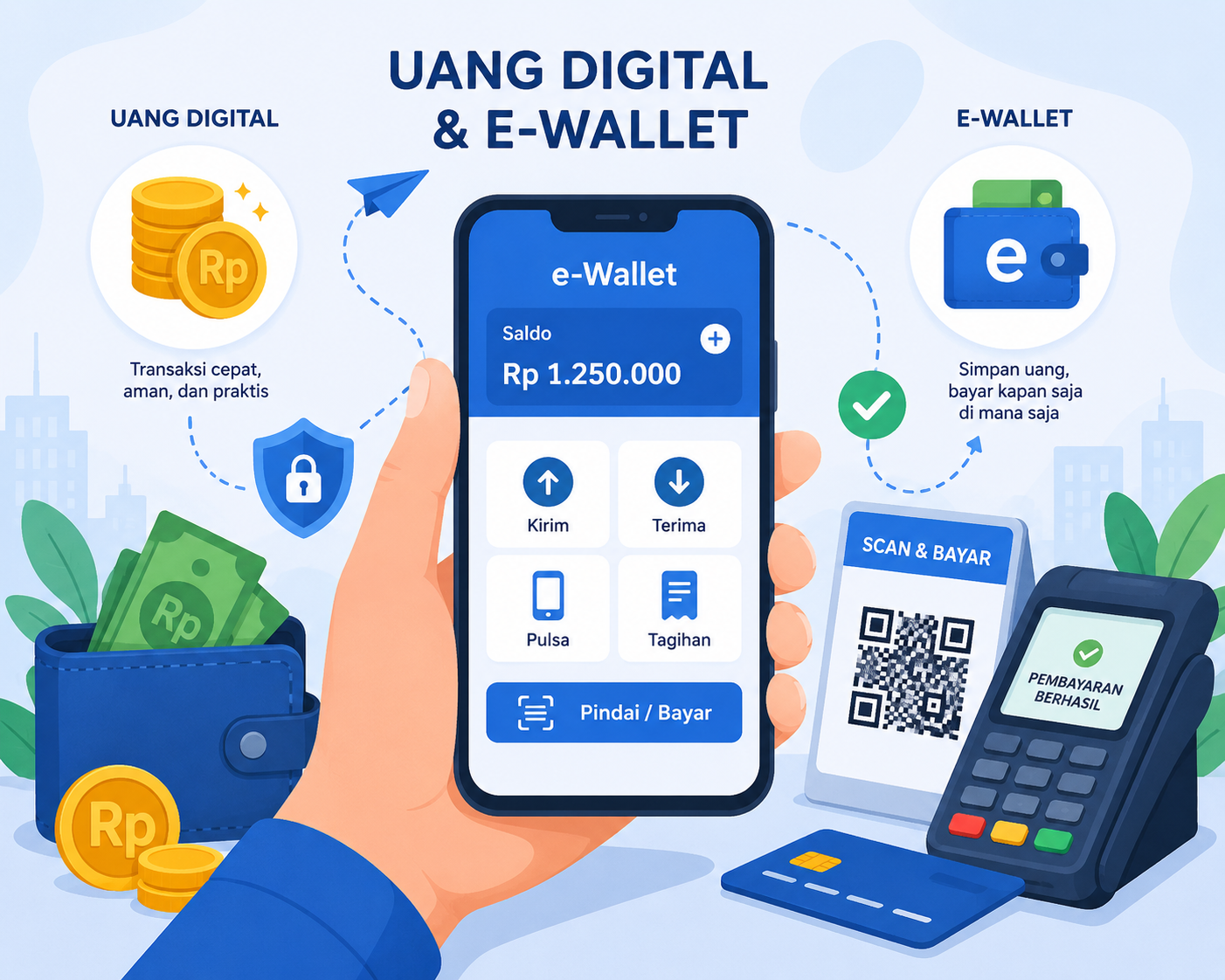
Android’s flexibility also supports decentralized finance (DeFi) platforms. Apps like Clover integrate blockchain to enable peer-to-peer lending and asset trading without intermediaries. Such solutions not only enhance security but also democratize access to financial services. As highlighted in agricultural digitalization, Android apps are tailoring financial tools for rural economies, offering microinsurance and crop yield analytics.
Android and Agricultural Innovation: Empowering Sustainable Farming
Agriculture, a sector often overlooked in tech discussions, is witnessing a renaissance thanks to Android apps. Applications like Plantix use AI to diagnose plant diseases via smartphone cameras, while Saarthi in India connects farmers to real-time market prices and weather forecasts. These apps leverage Android’s hardware capabilities, such as GPS and sensors, to optimize resource use and reduce waste.
The integration of IoT with Android is another breakthrough. Smart irrigation systems, controlled via Android apps, analyze soil moisture data to automate water distribution. This not only conserves water but also increases crop yields. As 2026 tech trends predict, such innovations will bridge the gap between traditional farming and data-driven agriculture, ensuring sustainability in a climate-vulnerable world.
Emerging Technologies: Android as a Gateway to AI and IoT
Android’s role in AI development is equally profound. Apps like Google Assistant and Microsoft’s AI Builder demonstrate how Android platforms are democratizing AI tools for developers. These apps utilize on-device machine learning (ML) to process data locally, enhancing privacy and efficiency. For example, Translate by Google offers real-time language translation without an internet connection, leveraging Android’s hardware acceleration.
In the IoT ecosystem, Android apps act as control hubs for smart homes and industries. Platforms like SmartThings allow users to manage everything from thermostats to security cameras via a single interface. The integration of Android with IoT is accelerating, as seen in industrial settings where Android-powered wearables assist technicians in predictive maintenance.  This synergy is critical for scaling Industry 4.0 solutions, particularly in developing economies.