Unveiling the Invisible Currents: Deeper Insights into Current Technology Trends
In an era defined by relentless innovation, staying abreast of current technology trends feels like chasing a fast-moving stream. Yet, to truly understand where we're headed, we must look beyond the gleaming surface of new gadgets and buzzy acronyms. The real story of technological evolution isn't just about what's new, but how these innovations intersect, reshape our societies, and are driven by invisible currents and underlying forces that often go unnoticed. This article aims to delve into these deeper insights, exploring the interconnectedness, ethical implications, and societal transformations that define the cutting edge of today's digital landscape.
The Nexus of Intelligence and Connectivity: AI, IoT, and Next-Gen Networks
Artificial Intelligence (AI) continues to dominate headlines, but its true power is amplified when viewed as part of a larger ecosystem. It’s no longer just about sophisticated algorithms performing complex calculations; it’s about pervasive intelligence embedded into our physical and digital worlds. The Internet of Things (IoT) provides the sensory nervous system for this intelligence, generating colossal amounts of data from billions of connected devices—from smart homes to industrial sensors, autonomous vehicles to healthcare wearables.
This data, in turn, fuels AI's learning capabilities, enabling more accurate predictions, automated decision-making, and personalized experiences. Supporting this intricate dance are next-generation networks like 5G and the emerging 6G, providing the ultra-low latency and massive bandwidth required for seamless data exchange. This triumvirate—AI, IoT, and advanced connectivity—is not merely improving existing systems; it's laying the groundwork for entirely new paradigms of interaction and automation, from smart cities that dynamically adjust to their inhabitants' needs to hyper-personalized healthcare interventions.
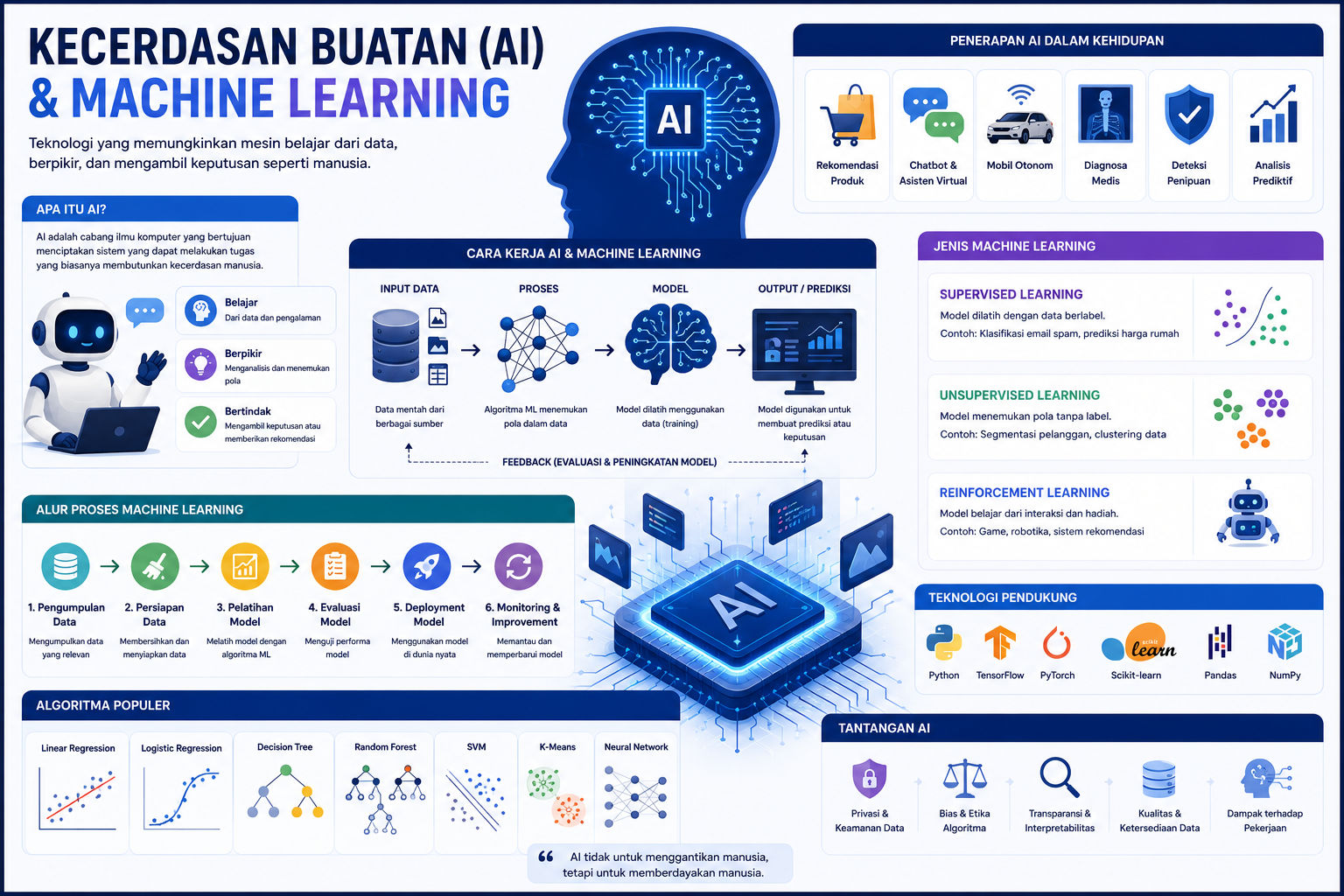
The unique perspective here lies in recognizing that the "intelligence" of AI isn't solely in the algorithm, but in its ability to synthesize and react to the deluge of real-world data provided by IoT, delivered by high-speed networks. This symbiotic relationship creates an adaptive, responsive environment that learns and evolves, pushing the boundaries of what machines can perceive, understand, and execute. The real trend isn't just AI, but Ambient Intelligence – a world where intelligence is ubiquitous, anticipatory, and seamlessly integrated into every facet of existence.
Reshaping Value Exchange: Beyond Traditional Finance to Web3 and Digital Assets
While the volatility of cryptocurrencies often grabs attention, the deeper trend in digital finance lies in the structural innovations they represent. Blockchain technology, the foundation of cryptocurrencies, is evolving beyond mere digital cash to power decentralized finance (DeFi), non-fungible tokens (NFTs), and central bank digital currencies (CBDCs). DeFi platforms are democratizing financial services, offering lending, borrowing, and trading without intermediaries, promising greater accessibility and transparency. NFTs are redefining ownership of digital assets, impacting art, gaming, and intellectual property. Meanwhile, governments and central banks are actively exploring CBDCs, which could fundamentally alter monetary policy, payment systems, and financial inclusion.
The unique angle here is how these developments collectively point towards a future where value exchange is more programmable, verifiable, and potentially more inclusive. It's about a shift from centralized financial gatekeepers to a distributed architecture where individuals have greater control over their assets and data. This invisible architecture behind the digital revolution promises to dismantle existing power structures, bringing both immense opportunities and significant regulatory challenges.
The Immersive Frontier: Spatial Computing and the Evolution of Human-Digital Interaction
The concept of the "metaverse" has moved from science fiction to a tangible, albeit nascent, technological frontier. However, the core trend isn't just about virtual reality (VR) headsets or augmented reality (AR) apps; it's about spatial computing. This involves technology that allows us to interact with digital content in a three-dimensional space, blurring the lines between the physical and virtual worlds. From collaborative virtual workspaces to immersive educational experiences and hyper-realistic gaming, spatial computing promises to transform how we work, learn, play, and socialize.
What makes this trend particularly unique is its potential to transcend traditional screen-based interactions. Instead of looking at a flat display, we will increasingly operate within digital environments that are layered onto our physical reality or exist entirely as synthetic worlds. This shift demands new interfaces, new content creation paradigms, and a re-evaluation of digital ownership and identity within persistent virtual spaces. The challenge and opportunity lie in building these immersive worlds in a way that is accessible, ethical, and enhances, rather than detracts from, human experience.
Sustainability as a Core Design Principle: Green Tech and Circular Economy
Amidst all the talk of digital transformation, a critical, often understated, trend is the growing imperative for sustainability in technology. The massive energy consumption of data centers, the environmental impact of electronic waste, and the resource intensity of manufacturing are no longer externalities that can be ignored. "Green tech" is emerging not just as a niche market but as a fundamental design principle for all technological development.
This includes innovations in energy-efficient computing, renewable energy integration for data centers, sustainable materials for electronics, and the development of circular economy models for technology products. The unique angle here is that sustainability is transitioning from a CSR (Corporate Social Responsibility) initiative to a core driver of innovation and competitive advantage. Companies that can develop and implement eco-friendly technologies will not only meet regulatory demands but also resonate with an increasingly environmentally conscious consumer base, fostering a new wave of disruptive solutions focused on planetary well-being.
Navigating the Ethical Labyrinth: AI Ethics, Data Governance, and Digital Well-being
As technology becomes more deeply interwoven with human existence, the ethical dimensions of its development and deployment are gaining unprecedented prominence. Discussions around AI ethics, for instance, have moved beyond theoretical debates to practical concerns about algorithmic bias, transparency, accountability, and the potential for autonomous systems to make decisions with significant societal impact. Data governance, encompassing privacy, security, and ownership, is no longer merely a compliance issue but a fundamental aspect of building trust in the digital ecosystem.
The unique perspective here is the shift from a technology-first approach to a human-first approach in innovation. There's a growing recognition that technological advancement, if unguided by ethical considerations, can exacerbate inequalities, erode privacy, and undermine democratic values. The trend is towards developing frameworks, regulations, and even ethical AI design principles that prioritize human well-being, fairness, and transparency. This involves multi-stakeholder collaboration among technologists, policymakers, ethicists, and civil society to ensure that the future of technology is built on a foundation of responsible innovation.
The Ever-Evolving Battlefield: Cybersecurity in an Interconnected World
With increasing digitization and hyper-connectivity, cybersecurity has transcended its traditional role as an IT department concern to become a critical existential challenge for individuals, organizations, and nation-states. The attack surface is expanding exponentially with IoT devices, cloud infrastructure, and the adoption of remote work. Cyber threats are also becoming more sophisticated, leveraging AI, quantum computing concepts, and nation-state backing.
The unique insight lies in understanding that cybersecurity is no longer a static defense mechanism but a dynamic, continuous process of adaptation and resilience. It's about proactive threat intelligence, adaptive security architectures, zero-trust models, and fostering a culture of cyber-hygiene. The trend emphasizes not just preventing breaches, but rapidly detecting, responding to, and recovering from them, acknowledging that a completely impenetrable system is an illusion. Furthermore, the human element—both as a vulnerability and as the ultimate defender—remains central to effective cybersecurity strategies.
Conclusion: Beyond the Hype to the Heart of Transformation
The current landscape of technology is far more intricate than a simple list of trending buzzwords suggests. It's a complex tapestry woven from interconnected innovations in AI, connectivity, digital finance, immersive experiences, sustainability, and ethical considerations. The real story lies in the profound societal shifts these trends are orchestrating, often driven by invisible forces of data, algorithms, and changing human expectations. Understanding these deeper currents allows us to move beyond passive observation to active participation, shaping a future where technology serves humanity's best interests. As we stand on the precipice of remarkable advancements, our collective challenge is to harness these powerful forces responsibly, ensuring an equitable, sustainable, and empowering digital future for all.