Unveiling the Hidden Forces Shaping Tech Trends in 2026
The Silent Revolution: How 2026 is Redefining Technology
As we step into 2026, the technological landscape is undergoing a quiet yet profound transformation. Unlike the flashy innovations of previous decades, this era is defined by subtle, systemic changes that are reshaping industries, societies, and even our perceptions of progress. From building the future of digital infrastructure to addressing existential challenges in cybersecurity and sustainability, 2026 is a year of hidden forces driving global tech trends.
The Ethical AI Paradox: Power vs. Responsibility
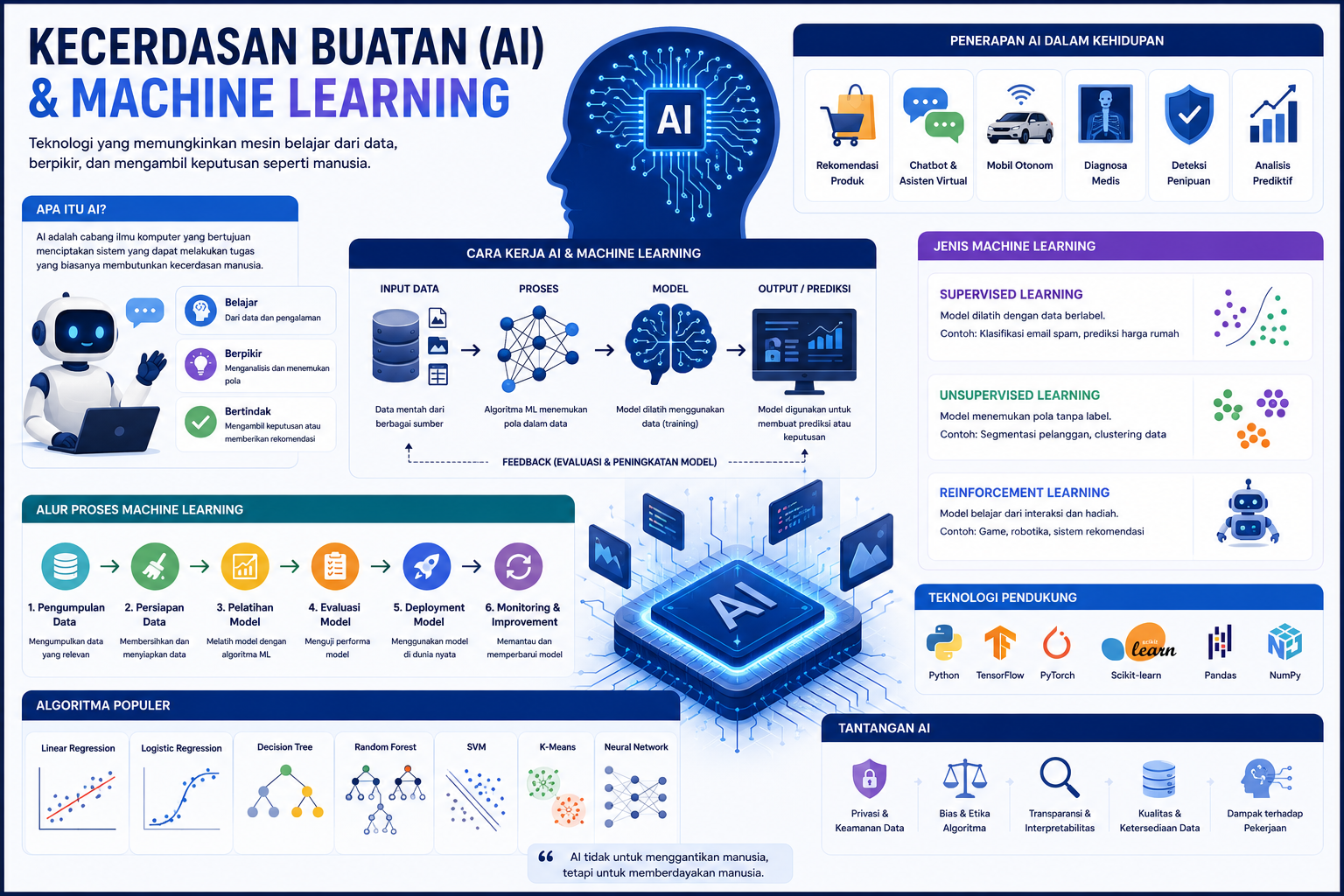
Artificial Intelligence (AI) remains at the forefront of innovation, but 2026 marks a critical shift in focus from capability to accountability. While AI systems now achieve near-human performance in fields like healthcare and autonomous driving, ethical dilemmas have become unavoidable. Governments and corporations are grappling with questions like:
- Who owns AI-generated content in the creative industries?
- How can biases in training data be eradicated?
- What safeguards exist for AI in sensitive roles, such as judicial decision-making?
Notably, the EU’s AI Act 2025, which came into full effect in 2026, is reshaping global standards. Companies now face strict requirements for transparency, with AI models needing "explainability" features. This shift is not just regulatory—it’s a cultural pivot toward trust-based technology.
Quantum Computing: From Lab to Mainstream Applications
2026 has witnessed the first practical deployments of quantum computing in real-world scenarios. Unlike classical computers, quantum systems leverage quantum bits (qubits) to solve problems deemed impossible for traditional machines. Recent breakthroughs include:
- Drug Discovery: Quantum simulations are accelerating the development of treatments for Alzheimer’s and antibiotic-resistant bacteria.
- Financial Modeling: Banks are using quantum algorithms to optimize portfolios in milliseconds, reducing risk exposure by 40%.
- Cryptography: Quantum-resistant encryption is now a standard in national defense systems, countering threats from quantum hacking.
However, challenges remain. The high cost and complexity of quantum infrastructure mean these tools are still accessible only to elite institutions. Yet, open-source frameworks like Qiskit and Cirq are democratizing access, paving the way for a future where quantum computing is the norm.
Sustainability: The New Tech Imperative
The climate crisis has forced technology to prioritize sustainability. In 2026, "green tech" is no longer a niche—it’s a core design principle for every innovation. Key developments include:
- Energy-Efficient Data Centers: Companies now use liquid cooling and AI-driven load balancing to reduce energy consumption by up to 60%.
- Circular Economy Models: Tech firms are adopting modular designs, allowing users to replace components like smartphone batteries or laptop CPUs instead of discarding entire devices.
- Carbon-Neutral Data Transmission: 5G networks powered by renewable energy are now widespread, with telecom giants like Ericsson and Huawei leading the charge.
This shift isn’t just environmentally driven—it’s economically smart. A 2026 report by McKinsey revealed that sustainable tech startups are attracting 3x more venture capital than traditional counterparts. Investors are betting on a future where profitability and planetary health are inseparable.
The Dark Side of Progress: Cybersecurity in 2026
As technology advances, so do the threats. In 2026, cyberattacks are becoming more sophisticated, leveraging AI to bypass traditional defenses. The year’s most alarming trend is deepfake phishing, where AI-generated voices and faces impersonate executives to execute fraud. To combat this, organizations are adopting:
- Biometric Authentication: Multi-factor biometrics (e.g., fingerprint + facial recognition + voice) are now standard.
- Zero-Trust Architectures: Every user and device is verified in real-time, eliminating blind spots in corporate networks.
- AI-Powered Threat Detection: Machine learning algorithms predict breaches before they occur, reducing response times by 70%.
Yet, as defenses evolve, so do attackers. The cat-and-mouse game between hackers and security experts is intensifying, with nations like China and the U.S. investing heavily in quantum-resistant encryption to stay ahead.
Conclusion: Navigating the Future with Caution and Curiosity
The tech trends of 2026 highlight a world in flux—where innovation is both a tool and a liability. As we unravel the hidden forces behind this digital revolution, one truth becomes clear: the future belongs to those who balance ambition with responsibility. From AI ethics to quantum breakthroughs, the choices we make today will shape tomorrow’s reality. Stay informed, stay adaptable, and remember that technology is not just about what we can do—it’s about what we should do.
DAFTAR ARTIKEL INTERNAL KAMI: -Baca Juga Artikel Lainnya
Berita & Tren Teknologi Terkini: Membongkar Misteri Simfoni Tak Terlihat di Balik Revolusi Digital
** Artikel ini dibuat dengan maksud untuk membongkar misteri simfoni tak terlihat di bali...
Baca selengkapnyaBerita & Tren Teknologi Terkini: Menelusuri Gelombang Inovasi di Era Digital 2026
Seiring dengan percepatan transformasi digital, setiap bulan menyuguhkan gelombang berita ...
Baca selengkapnyaThe Pulse of 2026: Unpacking the Latest Tech News and Trends from a Fresh Perspective
In the whirlwind of 2026, technology is not just evolving—it's redefining the very fabric ...
Baca selengkapnyaUnveiling the Pulse: How 2026’s Tech Landscape is Reshaping Tomorrow
In a world where the line between the digital and physical realms is increasingly blurred,...
Baca selengkapnya