Unpacking the Pulse: Current Tech News and Trends Shaping the Digital Future
Introduction: The Rapid‑Fire Landscape of Modern Tech
In a world where a new breakthrough can emerge overnight, staying abreast of the latest technology news is no longer a luxury—it's a necessity. From AI democratization to quantum computing’s commercial viability, the current tech ecosystem is a complex tapestry of interwoven innovations. This article dives deep into the most influential trends of 2026, exploring how they are reshaping industries, society, and our everyday lives. We’ll also examine the invisible architectures that underpin these shifts, drawing on recent research and expert insights.
1. Artificial Intelligence: From Narrow Tasks to Generalist Platforms
Artificial Intelligence (AI) has long been the headline driver of digital transformation, but the focus has shifted from narrow, task‑specific models to more generalized, adaptable systems. In 2026, generative AI platforms are moving beyond content creation into realms such as autonomous decision‑making, real‑time medical diagnostics, and even creative collaboration with humans. The integration of multimodal models—capable of understanding text, image, and audio—has accelerated cross‑industry adoption.
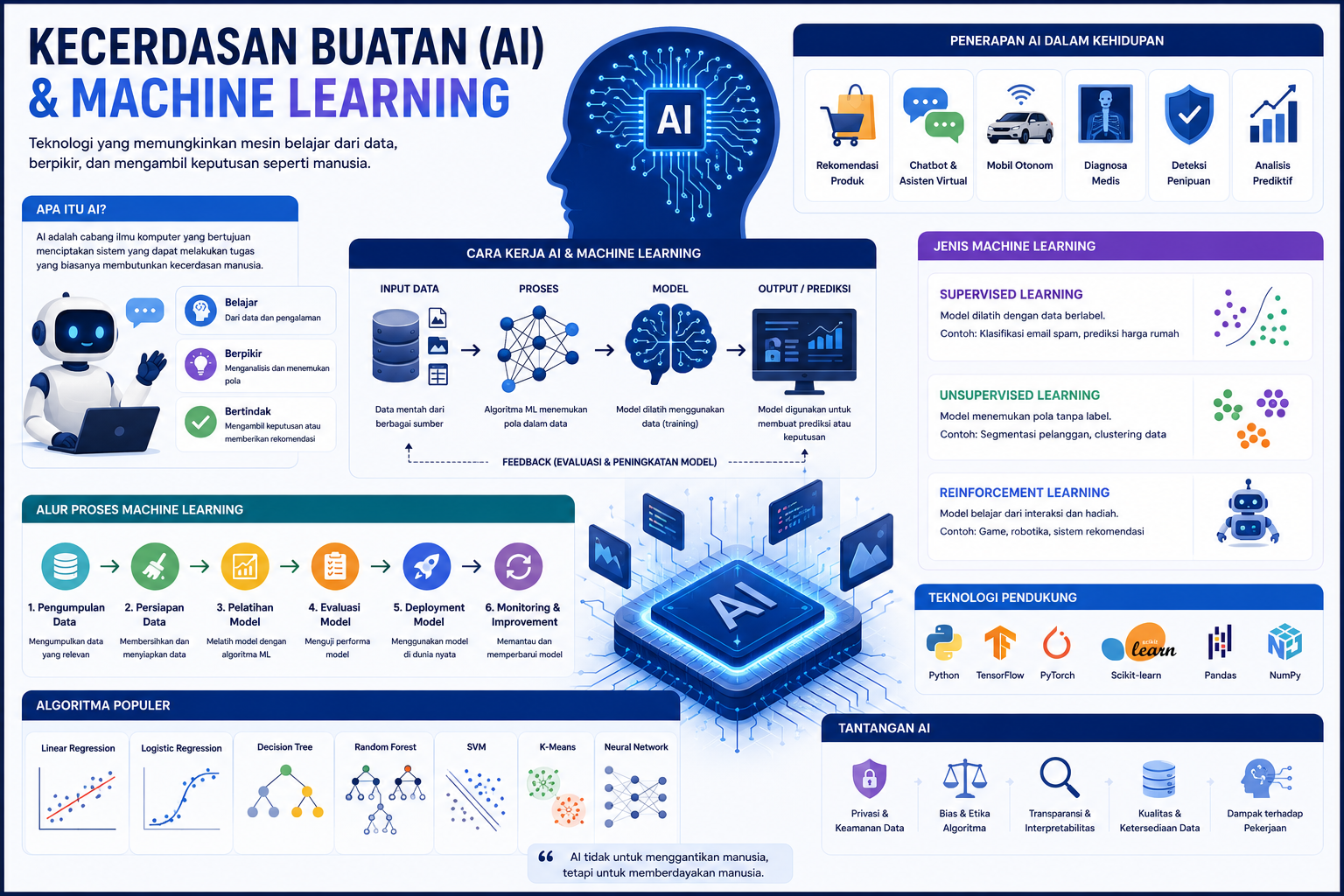
One of the most significant developments is the rise of “AI as a Service” (AIaaS), where organizations can plug and play advanced models without building their own infrastructure. This democratization is lowering barriers to entry for small and medium enterprises, fostering a wave of innovation across sectors such as finance, healthcare, and logistics.
AI in Finance: The Rise of Digital Wealth Management
Digital wallets and tokenized assets are gaining traction, with AI-driven platforms providing personalized investment advice, fraud detection, and risk assessment. The intersection of AI and blockchain is creating “smart contract” ecosystems that automate compliance and settlement processes in real time.

Financial institutions are leveraging machine learning to analyze vast datasets, identifying patterns that were previously invisible to human analysts. This capability has led to more accurate credit scoring models and the rapid expansion of micro‑loans in emerging markets.
2. Quantum Computing: From Research Labs to Commercial Pilots
Quantum computing remains a frontier, but 2026 marks the first commercial pilots that demonstrate tangible benefits. Quantum processors, now boasting over 1,000 qubits in some prototypes, are being used to solve complex optimization problems in supply chain logistics and drug discovery.
While the technology is still in its infancy, early adopters are already seeing cost reductions of up to 30% in data center operations. The “quantum advantage” is not yet universal, but the momentum is undeniable. Companies are investing heavily in hybrid quantum‑classical architectures, aiming to integrate quantum speed with classical reliability.
3. Edge Computing & 5G/6G Convergence
The rollout of 5G has enabled unprecedented bandwidth and low latency, paving the way for edge computing to become mainstream. Edge devices—ranging from smart sensors to autonomous vehicles—are now able to process data locally, reducing reliance on cloud infrastructure and enhancing real‑time decision‑making.
Looking ahead, 6G is projected to deliver terabit‑per‑second speeds, further blurring the line between physical and digital experiences. The convergence of edge computing and next‑generation connectivity is set to revolutionize industries such as agriculture, where precision farming tools can now react instantly to environmental changes.
4. Blockchain Beyond Cryptocurrencies
While Bitcoin and other cryptocurrencies dominated headlines, blockchain’s potential is being realized in supply chain transparency, digital identity verification, and decentralized finance (DeFi). Smart contracts are now being employed to enforce regulatory compliance automatically, reducing the risk of human error and fraud.
Governments and corporations are experimenting with “blockchain as a public good,” creating shared ledgers for everything from voting systems to carbon credit tracking. This trend reflects a broader shift toward open, tamper‑proof data ecosystems.
5. Metaverse & Immersive Experiences
The metaverse has evolved from a speculative concept into a practical platform for remote collaboration, education, and commerce. Companies are building virtual storefronts, training simulations, and even virtual real‑estate markets. The key to widespread adoption lies in interoperability and user privacy.
Emerging standards, such as the “Metaverse Interoperability Protocol” (MIP), are allowing users to move assets and identities seamlessly across platforms. This is fostering a new economy of digital goods, where creators can monetize experiences in ways that were previously unimaginable.
6. Sustainable Tech: Green Computing and Energy‑Efficient AI
With growing awareness of climate change, the tech industry is prioritizing sustainability. Data centers are increasingly powered by renewable energy sources, and AI models are being optimized for energy efficiency. Techniques such as model pruning, knowledge distillation, and hardware‑specific optimizations are reducing carbon footprints by up to 70%.
Moreover, “green AI” initiatives are encouraging researchers to report energy consumption metrics alongside model performance. This transparency is driving a cultural shift toward responsible innovation.
7. Human‑Computer Interaction: Voice, Gesture, and Brain‑Computer Interfaces
Voice assistants have matured into sophisticated conversational partners, but the next wave focuses on multimodal interaction. Gesture recognition, eye tracking, and even brain‑computer interfaces (BCIs) are entering consumer products, allowing for more intuitive and inclusive experiences.
BCIs, while still in early stages, show promise in assistive technologies for individuals with mobility impairments. Companies like Neuralink and OpenBCI are collaborating with medical institutions to develop non‑invasive solutions that could transform rehabilitation practices.
8. The Invisible Architectures: Why Understanding the Underlying Systems Matters
To truly grasp the impact of these trends, one must look beyond the surface and examine the invisible architectures that make them possible. Beyond the Buzzwords offers a detailed analysis of how foundational technologies—such as distributed ledger frameworks, AI micro‑services, and quantum error correction—are interlocking to create resilient ecosystems.
These underlying systems are often underreported but are critical to scaling innovations. For instance, the adoption of containerization and Kubernetes in AI workloads has drastically reduced deployment times, while edge AI chips are pushing machine learning to billions of devices worldwide.
9. Regulatory Landscape: Data Privacy, AI Ethics, and Digital Sovereignty
Governments worldwide are grappling with how to regulate rapidly evolving technologies. The European Union’s AI Act, the U.S. Digital Services Act, and China’s Digital Economy Development Plan are shaping policy frameworks that balance innovation with consumer protection.
Key concerns include data ownership, algorithmic bias, and the ethical use of AI. Companies are establishing AI ethics boards and adopting explainable AI (XAI) to ensure transparency and accountability.
10. The Future Outlook: 2027 and Beyond
Looking ahead, we can anticipate several breakthrough milestones:
- Quantum‑assisted AI: Leveraging quantum processors to accelerate machine learning training.
- Fully interoperable metaverses: Standardized protocols enabling seamless cross‑platform experiences.
- Carbon‑neutral data centers: Achieving net zero through advanced cooling and renewable energy integration.
- AI‑driven public policy: Using predictive analytics to inform policy decisions in real time.
These developments underscore the importance of a holistic perspective that considers both technological capabilities and societal implications.
Conclusion: Navigating the Technological Frontier
In 2026, the tech landscape is characterized by rapid convergence—AI, quantum computing, blockchain, and edge technologies are no longer siloed but are interdependent components of a larger digital ecosystem. By understanding the underlying architectures and staying informed about regulatory shifts, businesses and individuals can harness these innovations responsibly and profitably.
Whether you’re a developer, a policymaker, or a curious observer, the key takeaway is clear: the future of technology is not a single trend but a symphony of interconnected advancements. Keeping your ears to the ground—and your eyes on the horizon—will be essential to thrive in this ever‑evolving landscape.