The Silent Weavers: How Unseen Forces Shape the Latest Digital Revolution
In an era defined by rapid technological advancement, it's easy to get caught up in the dazzling displays of innovation: the latest generative AI model, the new metaverse experience, or the groundbreaking quantum computing breakthrough. Yet, beneath the surface of these visible triumphs lies a more intricate and often overlooked narrative – the silent, interconnected forces that truly shape the digital revolution. This article delves beyond the headlines to explore the symbiotic relationships, the invisible architectures, and the profound undercurrents that are not just driving technological progress but fundamentally reshaping our world.
The true pulse of the latest technology trends isn't merely found in individual inventions but in their convergence, their shared infrastructure, and the ethical dilemmas they collectively present. Understanding these unseen threads is crucial for anyone seeking to navigate, innovate within, or simply comprehend the complex tapestry of our digital future.
The Evolving Brain: AI's Silent Substructures and Ethical Integration
Artificial Intelligence continues to dominate tech discourse, but its evolution extends far beyond the impressive capabilities of large language models and image generators. The real transformation lies in AI's silent substructures: the foundational algorithms, advanced neural network architectures, and the pervasive integration of AI into existing systems, often unseen by the end-user. We're witnessing a shift from AI as a novel tool to AI as an intelligent layer embedded across virtually every sector.
This deeper integration brings forth critical discussions around explainable AI (XAI), where the emphasis is on understanding how AI makes decisions, and ethical AI, focusing on fairness, bias mitigation, and transparency. The development of robust frameworks for AI governance and regulation is no longer a peripheral concern but a central pillar of responsible innovation. As AI becomes more autonomous and impacts critical decisions, the unseen architects of these systems are grappling with the moral and societal implications, striving to build intelligence that not only performs but also adheres to human values. This intricate dance of innovation and responsibility is a significant, yet often understated, dynamic within the broader digital revolution.
Quantum's Quiet Hum: The Foundational Shifts in Computation
While still largely experimental and not yet mainstream, quantum computing represents a foundational shift in computational power that quietly underpins many future technological aspirations. Its principles, rooted in quantum mechanics, allow for processing information in ways that classical computers cannot, opening doors to solving problems currently deemed intractable. We're not talking about faster versions of current tasks, but entirely new paradigms for computation.

The "quiet hum" of quantum development is being heard in labs worldwide, where advancements are laying the groundwork for breakthroughs in materials science (designing new superconductors or catalysts), drug discovery (simulating molecular interactions with unprecedented accuracy), and cryptography (developing quantum-resistant encryption). The impact of quantum computing will be less about immediate consumer applications and more about enabling entirely new scientific and engineering frontiers. Its progress, though incremental and often complex to grasp, is a powerful, unseen force that will profoundly alter the capabilities of future technologies, from AI to cybersecurity.
Decentralization's Deep Roots: Web3's Unseen Shifts in Trust and Ownership
Web3, often narrowly defined by cryptocurrencies and Non-Fungible Tokens (NFTs), is much more than speculative assets. At its core, Web3 represents a fundamental rethinking of internet architecture, emphasizing decentralization, user ownership, and verifiable trust. The unseen shift here is a move away from centralized intermediaries towards peer-to-peer networks and self-sovereign systems.
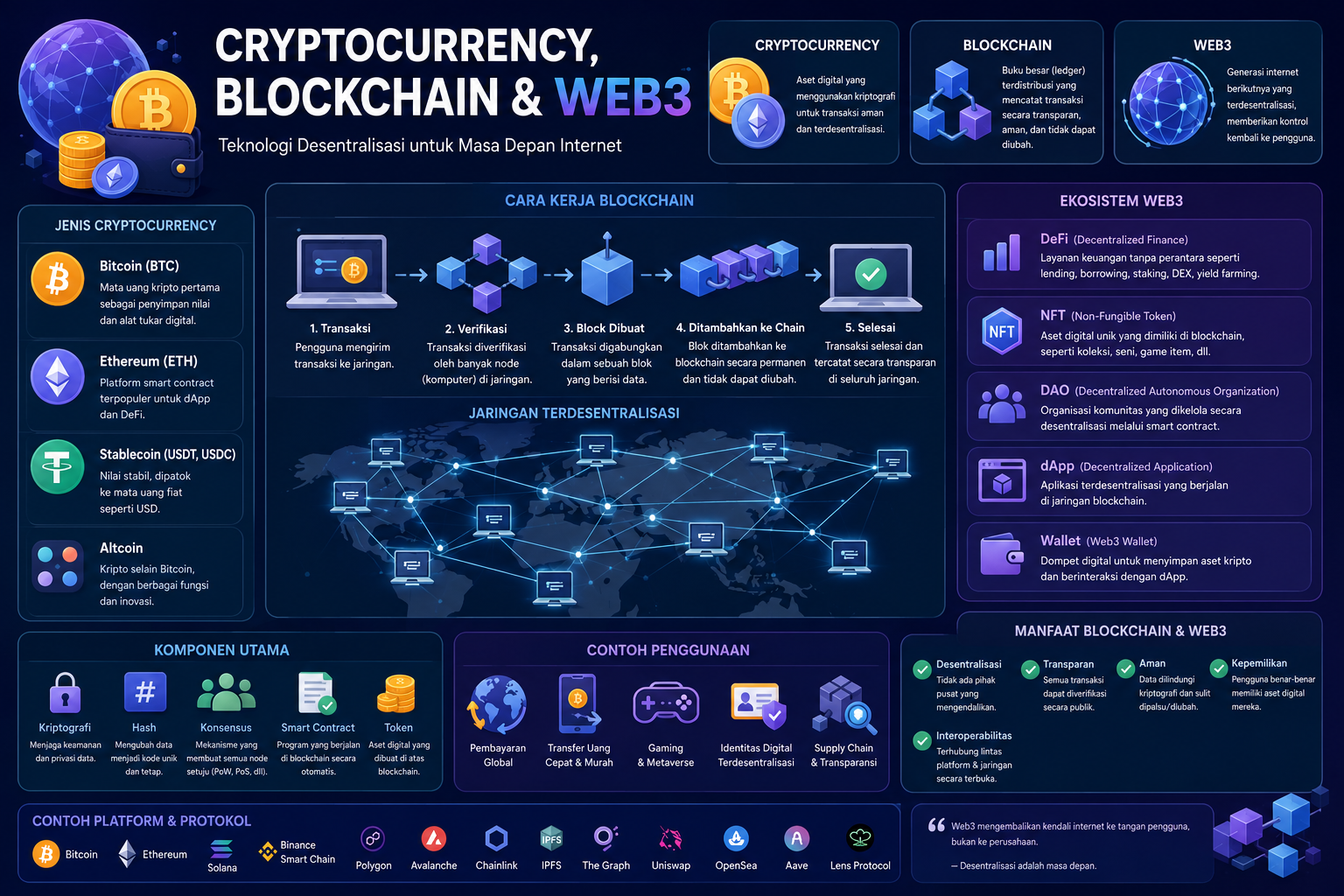
Beyond the hype, the deeper roots of Web3 are fostering innovations in areas like decentralized identity, where users control their personal data without relying on corporate giants; decentralized autonomous organizations (DAOs), offering new models for collective governance and resource management; and supply chain transparency, ensuring the provenance of goods. These advancements are quietly reshaping our understanding of digital ownership, privacy, and community. The promise of Web3 lies in its potential to redistribute power from platforms to individuals, creating a more equitable and resilient digital ecosystem. Understanding these underlying shifts is critical to comprehending the invisible forces shaping the digital revolution.
The Edge of Intelligence: Pervasive Computing's Quiet Spread
As the Internet of Things (IoT) expands and AI models become more sophisticated, the need for real-time processing and immediate decision-making has escalated. This brings us to edge computing – a silent but pervasive trend that involves processing data closer to its source, rather than sending it all to a centralized cloud. Think of it as distributing the brainpower of the digital world, bringing intelligence to where it's most needed.
Edge computing is the unsung hero enabling critical applications in smart cities, where traffic management systems respond instantly to conditions; in autonomous vehicles, which require split-second decisions without network latency; and in industrial automation, where machinery needs real-time analytics to optimize performance and prevent failures. This distributed network of intelligence reduces bandwidth consumption, enhances data security, and minimizes latency, making it an indispensable, albeit often unnoticed, architectural backbone for the next wave of smart technologies. Its quiet spread is foundational to the efficiency and responsiveness of our increasingly connected world.
Bio-Convergence: The Unspoken Merger of Tech and Life
One of the most profound, yet less overtly discussed, current technology trends is bio-convergence – the accelerating merger of technology with biology and life sciences. This isn't just about applying technology to biology, but about a true convergence where disciplines like artificial intelligence, engineering, and data science are intrinsically intertwined with genetics, neuroscience, and synthetic biology.
This unseen merger is driving breakthroughs in personalized medicine, where treatments are tailored to an individual's unique genetic makeup; in advanced prosthetics and brain-computer interfaces (BCIs) that restore function and enhance human capabilities; and in synthetic biology, where organisms are engineered for new purposes, from producing biofuels to manufacturing novel materials. The ethical implications are immense, touching on questions of human identity, genetic privacy, and the very definition of life. Bio-convergence represents a frontier where technology is not just augmenting human experience but fundamentally altering the biological world, presenting both incredible promise and profound challenges that society is only just beginning to confront.
The Ethical Undercurrents: Navigating the Moral Maze of Progress
As technology becomes more deeply embedded in every facet of human existence, the ethical undercurrents grow stronger and more complex. These aren't just tangential issues but fundamental considerations that influence the direction, acceptance, and ultimate success of technological innovation. From data privacy and algorithmic bias to the digital divide and the environmental impact of computing, these challenges are shaping the invisible boundaries within which technology must operate.
The demand for responsible innovation is pushing developers, corporations, and governments to embed ethical considerations from the outset, rather than as an afterthought. This includes designing privacy-preserving technologies, developing transparent AI systems, ensuring equitable access to digital resources, and mitigating the ecological footprint of data centers and hardware manufacturing. Navigating this moral maze requires a collective societal effort, ensuring that our technological progress is not only powerful but also just, sustainable, and aligned with human well-being. These ethical considerations are the silent regulators, the unseen compass pointing towards a more conscious and responsible technological future.
Conclusion
The latest technology news and trends, when viewed from a unique perspective, reveal a landscape far more intricate than individual advancements suggest. The silent weavers – from AI's deep integration and quantum's foundational shifts to Web3's decentralized trust, edge computing's pervasive intelligence, bio-convergence's merger of life and tech, and the ever-present ethical undercurrents – are collectively shaping our digital destiny. Understanding these symbiotic relationships and unseen forces is paramount, not just for technologists but for every individual navigating an increasingly complex, interconnected, and technologically driven world. The true revolution lies not in the visible innovations alone, but in the profound, often subtle, interplay of these powerful trends.