The Unseen Drivers: 2026’s Hidden Forces Shaping Tomorrow’s Tech Landscape
Introduction: Beyond the Obvious
As we navigate the digital frontier of 2026, the conversation around technology often fixates on the "big names"—Artificial Intelligence (AI), blockchain, and quantum computing. Yet, beneath these headline-grabbing innovations lie unseen forces that are quietly redefining industries, cultures, and ecosystems. This article explores these hidden drivers, focusing on how convergence, sustainability, and cultural integration are becoming the linchpins of technological evolution.
1. The Symbiosis of AI and Human Creativity
Artificial Intelligence has matured beyond automation, evolving into a collaborative partner for human creativity. In 2026, AI tools like generative models are not just mimicking human outputs but co-creating with artists, musicians, and writers. For instance, Indonesian fashion designers are leveraging AI to preserve traditional batik patterns while innovating for global markets. This symbiosis highlights a shift from AI as a tool to AI as a cultural collaborator.
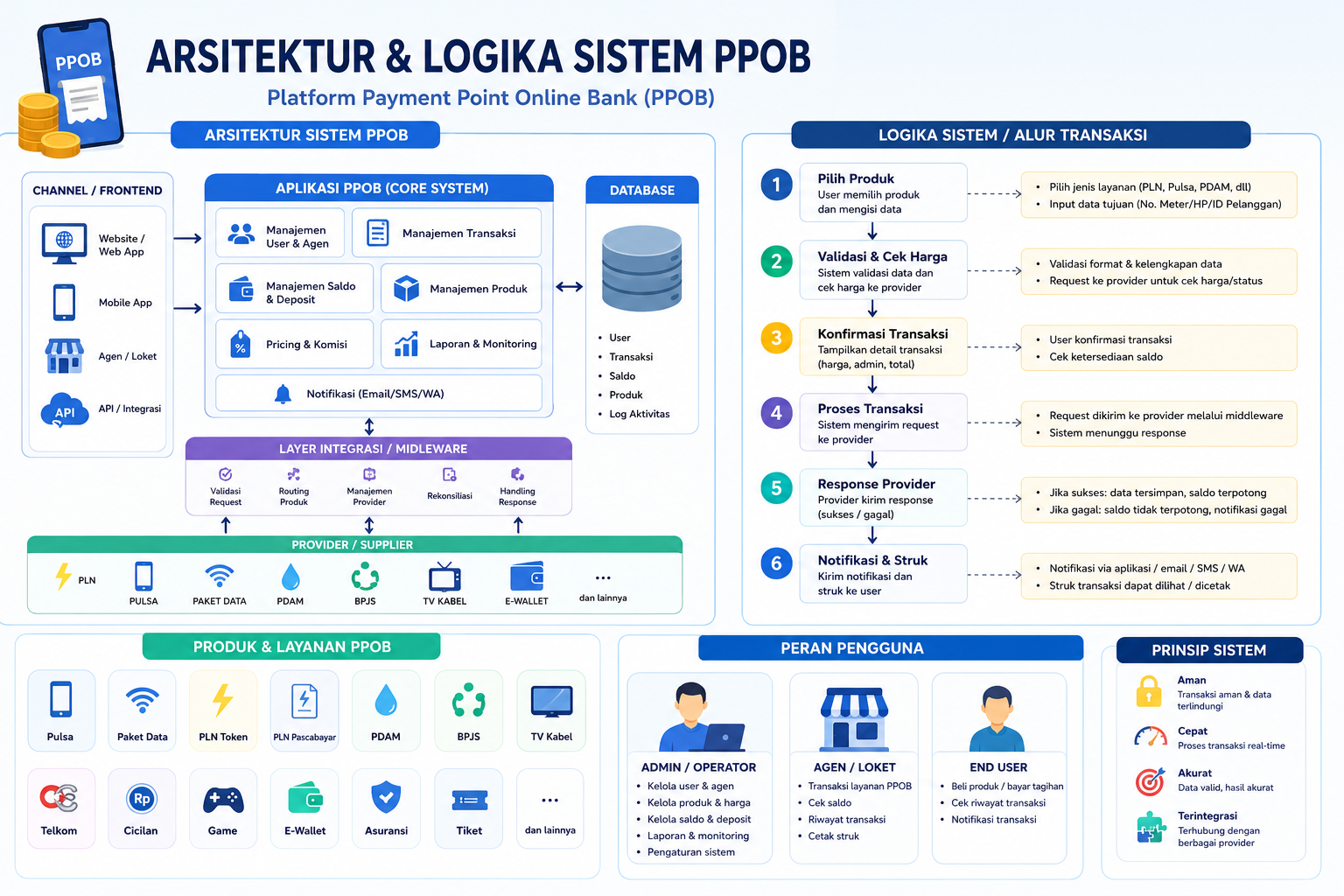
AI-driven system architectures are enabling seamless integration of legacy systems with futuristic solutions.
2. Blockchain Beyond Cryptocurrency: Trust as a Service
Blockchain’s narrative has expanded far beyond Bitcoin. In 2026, it powers decentralized identity systems, ensuring data privacy in a world plagued by digital trust crises. For example, governments in Southeast Asia are piloting blockchain-based vaccination certificates, where individuals control access to their health data. This shift underscores blockchain’s role not just as a financial ledger but as a trust infrastructure for the digital age.
3. Edge Computing: The Democratization of Real-Time Data
Edge computing is decentralizing data processing, pushing it closer to the source—smartphones, IoT devices, and even agricultural sensors. Unlike cloud-centric models, edge networks reduce latency and enhance privacy. Consider India’s rural healthcare sector, where edge-powered diagnostic tools analyze blood samples on-site, eliminating the need to transmit sensitive data to centralized servers. This trend reflects a broader move toward data sovereignty, where communities retain control over their information.
4. Sustainable Tech: The Green Imperative
Environmental sustainability is no longer a niche concern but a core design principle. Innovations like solar-powered microgrids and AI-optimized energy grids are reducing the carbon footprint of data centers by 40%. Additionally, the "circular tech" movement—where devices are designed for disassembly and reuse—is gaining traction. For example, Apple’s 2026 iPhone models now use 100% recycled aluminum, a shift driven by consumer demand for eco-conscious products.
5. The Rise of Human-Centric Interfaces
Technology is becoming more intuitive, blending seamlessly into daily life. Voice assistants are giving way to brain-computer interfaces (BCIs), enabling paralyzed users to control devices with thought. Meanwhile, augmented reality (AR) is merging with education, as schools in Japan use AR overlays to teach historical events through immersive simulations. These interfaces prioritize human needs, moving tech from a "tool" to an "extension" of the self.
6. Cultural Tech: Bridging Digital and Analog Worlds
2026 sees a surge in technologies that preserve cultural heritage. In Indonesia, fashion-tech startups are using 3D weaving algorithms to recreate ancient Javanese textiles with modern aesthetics. Similarly, AI-driven language models are revitalizing endangered dialects by generating educational content for speakers. This cultural-tech fusion demonstrates how innovation can honor the past while shaping the future.
Conclusion: Mapping the Unmapped
The 2026 tech landscape is defined not by isolated breakthroughs but by interconnected ecosystems. From blockchain’s trust infrastructure to AI’s role in cultural preservation, the unseen drivers of innovation are reshaping how we live, work, and interact. As these technologies mature, their success will depend not just on technical feasibility but on their ability to align with human values and ecological balance. The future isn’t just about smarter machines—it’s about creating a world where technology serves as a bridge between humanity and its most ambitious dreams.
For deeper insights into the fusing of AI, blockchain, and edge computing, explore how these technologies converge to solve global challenges.